
35 Years After Economic Liberalisation — India’s Journey Ahead
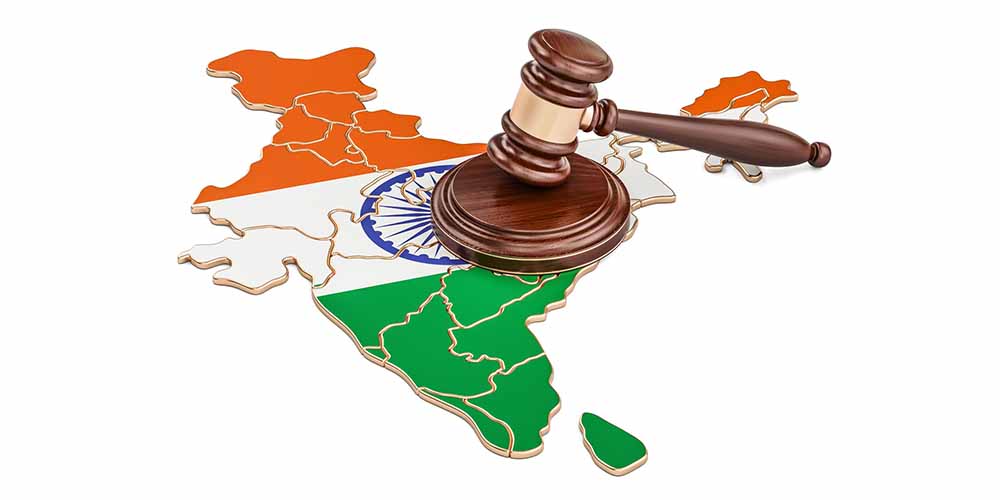
India’s landmark 1991 economic liberalisation marked a decisive break from a tightly controlled, inward-looking economic model. Triggered by a balance-of-payments crisis, the reforms dismantled licence controls, opened markets to competition, encouraged private enterprise, and integrated India into the global economy. Thirty-five years later, wet review the outcomes of those reforms and examine why the liberalisation agenda remains incomplete.
Economic Gains Since Liberalisation
The scale of India’s transformation since 1991 is undeniable. Key indicators reflect a significant expansion of economic activity and financial inclusion. Vehicle ownership, mobile phone penetration, provident fund enrolments, stock market capitalisation, and foreign exchange reserves have all grown exponentially. These shifts signal rising incomes, deeper market participation, and stronger global integration. Collectively, they position India as one of the world’s fastest-growing major economies and highlight the positive impact of economic reforms in India.
Structural Gaps and Employment Challenges
Despite sustained GDP growth, structural imbalances persist. Nearly half of India’s workforce remains employed in agriculture, even as the sector’s contribution to GDP continues to decline. Job creation in India, particularly in manufacturing and formal employment, has lagged behind expectations. Most enterprises remain small and informal, limiting their ability to generate stable, large-scale employment. Manufacturing’s share of employment mirrors that of advanced economies rather than acting as a mass absorber of labour, raising concerns about the inclusiveness of India’s growth model.
India–China Comparison and Missed Momentum
In 1991, India’s per capita income was broadly comparable to China’s. Today, China’s per capita GDP is approximately five times higher. This divergence underscores how differences in reform momentum, industrial scale, and labour absorption shaped long-term outcomes. While India pursued liberalisation, the pace and depth of reform in areas such as land, labour, urbanisation, and industrial policy remained uneven, limiting income convergence.
The Role of Economic Mindsets
Beyond policy design, the article highlights the influence of ideology and public attitudes toward markets. A persistent zero-sum view of economics — where wealth creation is treated with suspicion — has constrained entrepreneurship and risk-taking. This mindset, shaped by historical experiences and ideological preferences, has slowed acceptance of wealth creation as a necessary driver of poverty reduction and employment generation.
Five Ideas for the Next Phase of Reform
To complete the unfinished agenda of 1991, the article proposes a reframing of reform thinking: normalising wealth creation, accepting unequal timing of success, encouraging policy experimentation, prioritising outcomes over ideology, and recognising that economic openness inevitably involves imperfections. These principles aim to strengthen entrepreneurship, support MSMEs, and accelerate non-farm employment.
Completing the Liberalisation Story
Thirty-five years after liberalisation, India’s challenge is no longer whether reforms work, but how decisively they are pursued. Sustaining Indian economic growth will require renewed confidence in markets, pragmatic policy design, and a willingness to deepen reforms. The success of the next reform phase will be measured not only by growth rates, but by jobs, productivity, and broad-based prosperity.
Author
Latest Articles
Jan Vishwas and the Future of Trust-Driven Governance in India
People often limit the conversation around the Jan Vishwas reforms to easing regulations and reducing bureaucratic hurdles. While this is a key outcome, it does...
Read More35 Years After Economic Liberalisation — India’s Journey Ahead
India’s landmark 1991 economic liberalisation marked a decisive break from a tightly controlled, inward-looking economic model. Triggered by a balance-of-payments crisis, the reforms dismantled licence...
Read More7 Big Takeaways on Salary Growth in India’s MEI Sector
The Manufacturing, Engineering, and Infrastructure (MEI) industry in India is geared up for a strong year, with an expected salary growth of 7.9% in FY...
Read MoreMass Prosperity from Higher Productivity
India created mass democracy on the infertile soil of the world's most hierarchical society but failed to create mass prosperity on the fertile soil of...
Read MoreHigh-wage jobs can rev up Punjab
THE oft-quoted Punjabi aphorism, Khaada peeta lahe da, Baki Ahmed Shahe da (eat and drink whatever you can because the invader will take the rest), may feel...
Read More