
Beyond Wages: Top 10 Non-Financial Labour Code Provisions

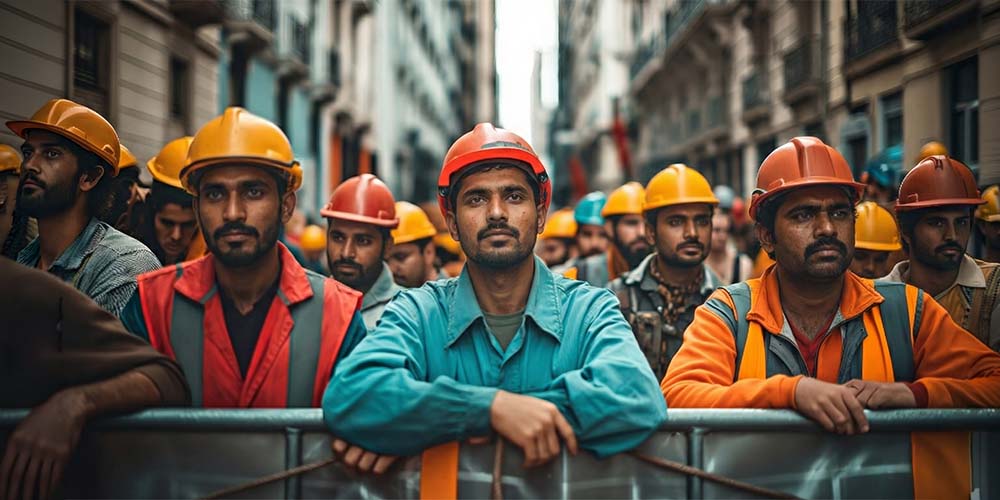
India’s labour reforms go beyond wages, compliance filings, and statutory contributions—they introduce a wide range of non-financial provisions aimed at improving employee well-being, workplace dignity, and organizational accountability. These provisions across the four labour codes mark a shift from compliance alone to creating safer, more inclusive, and employee-focused workplaces. Among the most notable provisions are mandatory health check-ups, strengthened grievance redressal mechanisms, and institutional safeguards against workplace harassment, such as the SheBox platform.
1. Mandatory Health Check-ups for Employees (45+)
Under the Occupational Safety, Health and Working Conditions (OSH) Code, employers are required to facilitate periodic health check-ups, especially for employees aged 45 and above.
This provision emphasizes preventive healthcare, enabling early detection of chronic illnesses, occupational health risks, and stress-related conditions. For organizations, this means creating structured wellness programs, working with healthcare providers, and maintaining health records—placing employee well-being at the center of HR strategy.
2. Structured Grievance Redressal Mechanisms
The labour codes mandate the establishment of Grievance Redressal Committees (GRCs) to ensure employees have formal, accessible channels to raise concerns.
These mechanisms must be transparent, time-bound, and inclusive, with adequate representation (including women). A well-functioning grievance system not only resolves disputes efficiently but also strengthens trust, reduces attrition, and minimizes legal risks.
3. SheBox and Strengthened Anti-Harassment Frameworks
The SheBox (Sexual Harassment Electronic Box) platform provides a centralized, government-backed mechanism for women to report workplace harassment.
While Internal Committees (ICs) remain mandatory at the organizational level, SheBox adds an additional layer of accountability and visibility. This reinforces the importance of robust anti-harassment policies, regular sensitization training, and a culture of zero tolerance toward misconduct.
4. Enhanced Workplace Safety and Hygiene Standards
The OSH Code significantly expands employer responsibility toward workplace safety. This includes ensuring proper ventilation, lighting, sanitation, potable water, and safe working conditions.
Organizations are also expected to conduct risk assessments, safety audits, and preventive interventions, especially in high-risk industries. The shift is from reactive compliance to building a proactive safety culture.
5. Defined Working Hours, Rest Periods, and Leave Norms
The new framework introduces clearer norms around working hours, overtime limits, rest intervals, and weekly offs.
There is a strong emphasis on preventing overwork and ensuring work-life balance, with additional safeguards for night shifts and extended working hours. Employers must align workforce planning and shift management with these evolving norms.
6. Inclusion of Women Across All Shifts and Roles
A key change under the OSH Code is the removal of blanket restrictions on women working in certain sectors or night shifts.
Women can now be employed across roles and timings, subject to their consent and the provision of adequate safety measures. This creates opportunities for greater gender diversity, while also requiring employers to strengthen policies around safety, transport, and workplace security.
7. Welfare Facilities and Employee Amenities
The labour codes mandate a range of welfare measures based on the size and nature of the establishment. These include:
- Crèche facilities
- Canteens
- Restrooms and hygiene infrastructure
- First-aid provisions
- Worker accommodation (in specific sectors)
Such provisions are designed to improve employee experience, productivity, and retention, particularly for working parents and migrant workers.
8. Inspector-cum-Facilitator Approach
The traditional inspection regime has been reimagined into an “inspector-cum-facilitator” model. Instead of focusing solely on enforcement, authorities are expected to guide employers on compliance and help address gaps. Inspections may be randomized and digitized, promoting transparency and reducing subjectivity.
For employers, this means maintaining continuous compliance and being audit-ready at all times.
9. Standing Orders and Policy Standardization
The Industrial Relations Code expands the applicability of standing orders, requiring more organizations to formally define workplace rules.
This includes policies on conduct, discipline, termination, and dispute resolution. Standardization ensures consistency, fairness, and clarity, reducing uncertainty in employer-employee relationships.
10. Reskilling and Redeployment Orientation
The labour codes, along with broader policy support, promote reskilling and redeployment during workforce transitions.
The broader goal of responsible workforce management, where employers assist employees in adapting to changing job and industry needs, includes financial support.
Conclusion
The non-financial dimensions of the new labour codes signal a fundamental transformation in India’s employment landscape. From health and safety to inclusion, grievance handling, and workplace dignity, the focus is now on building sustainable and human-centric organizations.
Organizations that proactively adopt these changes—not just as compliance, but as drivers of culture, productivity, and long-term resilience—stand to benefit significantly. They are better positioned to build employee trust, enhance performance, and drive sustainable growth. In this evolving landscape, non-financial compliance is no longer optional; it is a strategic imperative.
Explore our Labour code advisory services now.
Author

Latest Blogs
Beyond Wages: Top 10 Non-Financial Labour Code Provisions
India’s labour reforms go beyond wages, compliance filings, and statutory contributions—they introduce a wide range of non-financial provisions aimed at improving employee well-being, workplace dignity,...
Read MoreWhat do the New Labour Codes Mean for Contract Staffing?
The new labour codes represent a significant step toward formalising India’s workforce while also enhancing ease of doing business. At the same time, they are...
Read MoreBulk Hiring vs. Traditional Hiring for Employers
India’s labour market is undergoing a structural transformation. Total employment in India rose to approximately 64.33 crore in 2023–24 from 47.5 crore in 2017–18, reflecting robust...
Read MoreWhat is Bulk Hiring? The Process & Benefits
India’s labour market is expanding at an unprecedented pace. From festive retail demand in Tier 2 cities to large-scale greenfield manufacturing plants under “Make in...
Read MorePermanent vs. Contract Staffing: What’s Right for Your Business?
Workforce strategy matters now more than ever in India’s evolving employment landscape. As businesses strive for growth, efficiency, and regulatory compliance, choosing between permanent staffing...
Read More