
Ensuring Statutory Compliance in HR for Manufacturing Industry

In the rapidly evolving & growing manufacturing sector, ensuring HR compliance in India is not only about following the laws—it’s also very important for sustainable business growth. Manufacturing companies must skillfully navigate a maze of labour laws in India and regulations designed to protect workers’ rights and ensure fair employment practices. Some of the key Labour laws & HR policies in India include the Factories Act, Minimum Wages Act, Payment of Bonus Act, and the Employees’ Provident Fund and Miscellaneous Provisions Act. Ensuring HR compliance in manufacturing can be a complex task, but staffing firms are vital partners in navigating these laws.
The manufacturing industry in India is growing, driven by government initiatives like the Production-Linked Incentive (PLI) schemes. According to the India Decoding Jobs Report 2024, manufacturing sector contributes to 17% to the Indian economy and employs around 35.6 million people and expected to grow 15% year-on-year increase in hiring, highlighting the sector’s expanding workforce needs.
Understanding the Legal Landscape with Labour Laws in India
India has a complex compliance system with around 1536 Acts, 69,233 compliances, and 6618 annual filings. The challenge for HR heads in manufacturing is ensuring statutory compliance in HR across diverse regulations that evolve frequently. The manufacturing industry also faces a multitude of HR compliances in India that companies must adhere to. Labour laws in India are designed to protect workers’ rights and ensure fair treatment. Key legislations include:
The Factories Act, 1948 mandates health, safety, and welfare measures for workers. It includes provisions for working hours, overtime, and leave entitlements.
The Payment of Wages Act, 1936: Ensures timely payment of wages without unauthorised deductions, aiming to prevent wage delays and arbitrary deductions by employers.
The Minimum Wages Act, 1948: Mandates the payment of minimum wages to workers in certain employments to prevent exploitation and ensure a basic standard of living.
The Equal Remuneration Act, 1976: Prohibits gender-based wage discrimination, ensuring equal pay for men and women for the same or similar work.
The Maternity Benefits Act, 1961: Provides maternity benefits to women employees, including paid leave during maternity and job protection during the leave period.
Employees’ PF and Miscellaneous Provisions Act, 1952: Establishes a provident fund, pension fund, and deposit-linked insurance fund for employees, providing financial security post-retirement.
Employees State Insurance Act, 1948: Offers social security benefits like medical care, sickness benefits, maternity benefits, and compensation for work-related injuries.
The Employee’s Compensation Act, 1923: Provides financial compensation to employees or their dependents in case of accidental injury or death during employment.
Industrial Employment (Standing Orders) Act, 1946: Requires employers to formally define and communicate employment conditions, including working hours, leave procedures, and disciplinary actions.
The Payment of Bonus Act, 1965: Ensures that employees receive bonuses based on the company’s profits and productivity, promoting fair distribution of earnings.
Ease of Doing Business
With many compliances that a business has to follow, India is significantly improving its ease of doing business through several key measures. The Business Reforms Action Plan (BRAP) 2024 is streamlining regulatory frameworks and integrated online services. Efforts to reduce compliance burdens and decriminalise business laws are creating a more business-friendly environment. Additionally, substantial infrastructure investments and expanded Production Linked Incentive (PLI) schemes are bolstering domestic production and attracting foreign investments. The government’s push for digital solutions and ICT adoption has further enhanced efficiency and streamlined processes.
Building a Compliance-First Culture with Staffing Firms
Labour laws in India can change rapidly, and staying updated is the need of the hour. To keep up with India’s ever-changing labor laws, HR heads in manufacturing can partner with staffing firms that specialize in HR compliance management, as they have dedicated teams that keep track of legal shifts, helping businesses adapt seamlessly. These firms help ease the pressure of staying updated with legal changes, ensuring that your business is following all the statutory compliance in HR without constant effort on your part. Staffing companies also emphasises the importance of HR compliance from the top down.
Beyond just managing compliance & HR policies in India, staffing firms also play a key role in educating and training the workforce on the latest legal requirements. This helps ensure everyone, from management to employees, knows and follows legal guidelines. In short, working with these firms allows you to stay compliant while focusing on running your business smoothly.
Staffing companies also leverage advanced technology, like payroll systems and HR software, to track hours, wages, and HR compliance with labour laws. These systems are crucial in maintaining accurate records and avoiding issues like overtime errors, pay discrepancies, or missed benefits.
Additionally, staffing firms conduct regular compliance audits to ensure that the business aligns with legal standards. These audits help HR managers spot any gaps in compliance early, preventing costly penalties or legal complications down the line. By partnering with staffing companies, you can ensure the business remains on track without worrying about legal issues.
Final Thoughts: Fostering Compliance for Growth and Fairness
Ensuring HR compliance in India’s manufacturing sector is a cornerstone of ethical and sustainable business growth. As the manufacturing industry continues to grow & expand, staffing firms in India can help compliance issues in manufacturing Industry by making them to stay compliant, streamline operations, and foster a positive work environment for their employees.
By building a culture of compliance supported by robust systems, advanced technology, and regular audits, businesses can not only meet legal standards but also boost employee trust and satisfaction.
At TeamLease, we specialise in helping businesses meet compliance seamlessly. TeamLease successfully completed the HR compliance audit and received the Certification of Appreciation from Skoda for Best Statutory Compliance Performance Awards 2024.
Contact us today to explore how we can support your growth as well.
Author

Latest Blogs
Retail Staffing and Recruitment Challenges in India
India's retail sector is undergoing a period of rapid transformation. Driven by rising consumer spending, the expansion of organized retail, omnichannel business models, and growing...
Read MoreCombat Employee Turnover with Predictive AI
Employee attrition has become one of the biggest workforce challenges for modern businesses. It impacts productivity, hiring costs, and long-term growth. Traditional retention strategies often...
Read MoreFuture of Work: Upskilling and Reskilling in the AI Era
The acceleration of artificial intelligence is reshaping labor markets at a pace that conventional education and workforce systems struggle to match. This is not merely...
Read MoreHiring Trends 2026: Workforce Solutions for Recruitment Challenges
India’s labour market in 2026 is undergoing a structural shift. While economic expansion, digital transformation, and AI adoption are accelerating hiring demand, employers continue to...
Read MoreTalent Management Strategy 2026: Skills-First Future-Ready Workforces
Talent management strategy is undergoing a fundamental shift as organizations move beyond traditional hiring models toward building agile, skills-driven workforces. Rapid technological change, AI-led disruption,...
Read MoreTop 11 Recruitment Strategies for 2025
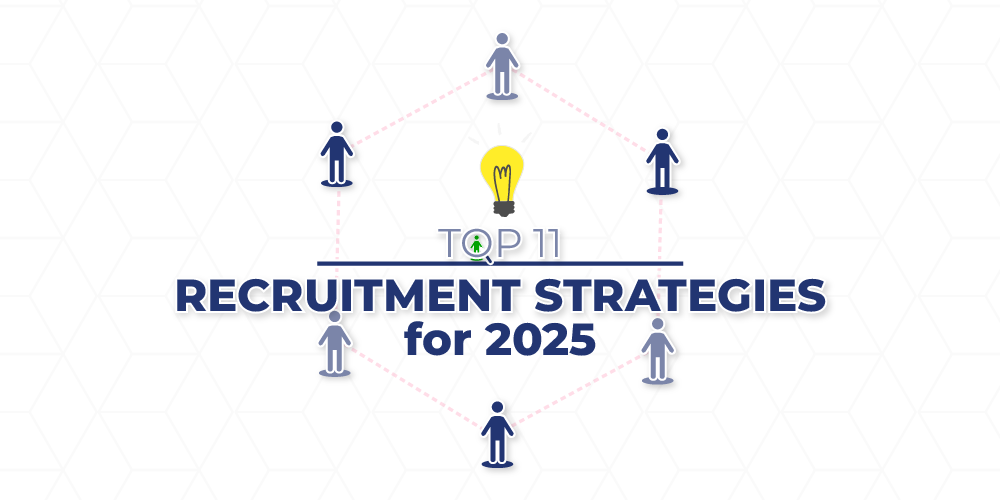
Here we are, reflecting on 2024. It’s clear that the year brought major changes to the recruitment landscape. Despite strong economic growth projected at 6.9%, organizations faced a persistent talent shortage, with emerging sectors like Logistics, EV & Infrastructure, and Agrochemicals driving demand for skilled professionals. The future of work is characterized by flexibility and purpose. As India accelerates its efforts to become a global talent powerhouse, 2024 laid the foundation for innovative recruitment strategies to cultivate a future-ready workforce.
Employment landscape in 2025
As we look ahead, the employment landscape is booming, as remarkable growth and innovation cross boundaries. According to TeamLease’s Employment Outlook Report H2 FY25, India’s workforce is projected to grow by a substantial 7.1% in the second half of FY25. Key sectors such as logistics, electric vehicles, and agriculture are leading the charge in creating new jobs. Additionally, emerging cities like Coimbatore, Gurgaon, and Jaipur are rapidly becoming attractive destinations for talent, expanding the nation’s job market.
The recruitment landscape continues to make progress, and the increasingly important competencies include problem solving, time management, soft and hard skills. Simultaneously, retention strategies and employee recognition and career advancement are becoming increasingly critical in calling attention to the importance of forming long-term workforce stability as well as satisfaction.
Here are the top 11 recruitment strategies for 2025:
1. AI-Driven Talent Acquisition
Leverage artificial intelligence to streamline recruitment processes like candidate screening, resume parsing, and job matching. AI tools can analyze skills, experiences, and cultural fit to provide data-driven hiring recommendations.
Tip: Integrate AI into your applicant tracking systems (ATS) to save time and improve accuracy in candidate selection.
2. Emphasis on Employer Branding
Candidates are drawn to organizations with strong, positive reputations. Building an authentic employer brand on platforms like LinkedIn and Glassdoor can attract top talent.
Tip: Regularly update your career pages, share employee testimonials, and showcase your company culture through social media and videos.
3. Skill-Based Hiring
Move away from traditional degree-based requirements and focus on skills and competencies. This approach broadens your talent pool and taps into non-traditional candidates.
Tip: Use skill-assessment platforms to evaluate candidates’ abilities during the hiring process.
4. Contract Staffing Boom
The gig economy continues to thrive, with businesses increasingly turning to contract staffing for flexibility and specialized skills.
Tip: Partner with reliable staffing agencies to access a pre-vetted pool of contract workers who can hit the ground running.
5. Employee Retention Through Recognition
Retention remains a priority as competition for talent intensifies. Recognizing employee contributions and offering clear career growth paths can improve engagement and reduce turnover.
Tip: Launch monthly recognition programs and provide employees with personalized development plans aligned with their career aspirations.
6. Diversity, Equity, and Inclusion (DEI)
Prioritize building diverse teams to foster innovation and create an inclusive workplace culture. DEI is not just an ethical priority—it’s a business imperative.
Tip: Implement blind hiring practices and actively source candidates from underrepresented groups.
7. Upskilling for Industry-Specific Needs
In sectors like Agri & Agrochemical or EV Infrastructure, rapidly evolving technologies require a skilled workforce. Investing in upskilling initiatives ensures your team stays ahead.
Tip: Offer certifications and courses tailored to industry trends, such as supply chain management for Logistics or EV-specific engineering skills.
8. Virtual Job Fairs for Regional Outreach
As emerging hubs grow, virtual job fairs provide a scalable way to connect with talent across these regions without geographical constraints.
Tip: Use interactive platforms that allow candidates from Coimbatore, Gurgaon, and Jaipur to network with recruiters, attend live Q&A sessions, and upload resumes.
9. Data-Driven Recruitment
Leverage analytics to make smarter hiring decisions. Data can provide insights into time-to-hire, candidate sourcing efficiency, and long-term employee success.
Tip: Use recruitment dashboards to track KPIs and refine your strategies based on actionable insights.
10. Pay Transparency
Pay transparency is no longer optional—it’s expected. Job seekers value organizations that openly share salary ranges, demonstrating fairness and accountability.
Tip: Include salary ranges in job postings to attract candidates and build trust. Regularly review compensation structures to ensure market competitiveness and eliminate pay gaps.
11. Gen Z Entering the Workforce
Gen Z is officially making its mark in the workforce. With their tech-savviness, focus on purpose-driven careers, and preference for flexibility, they’re reshaping workplace expectations.
Tip: Highlight your organization’s commitment to social responsibility, sustainability, and diversity in job postings. Offer mentorship programs to help Gen Z employees navigate professional growth while adapting to workplace norms.
Looking Ahead
As we navigate the evolving landscape of work, organizations must adapt their recruitment strategies to attract and retain top talent. By embracing AI, prioritizing employee experience, and focusing on skills and diversity, businesses can thrive in the competitive job market. Remember, a well-executed recruitment strategy is not just a cost, but an investment in the future success of your organization.
Looking to scale your workforce in high-growth sectors or emerging hubs? Partner with us for tailored recruitment solutions. Contact Us
Author
Latest Blogs
Retail Staffing and Recruitment Challenges in India
India's retail sector is undergoing a period of rapid transformation. Driven by rising consumer spending, the expansion of organized retail, omnichannel business models, and growing...
Read MoreCombat Employee Turnover with Predictive AI
Employee attrition has become one of the biggest workforce challenges for modern businesses. It impacts productivity, hiring costs, and long-term growth. Traditional retention strategies often...
Read MoreFuture of Work: Upskilling and Reskilling in the AI Era
The acceleration of artificial intelligence is reshaping labor markets at a pace that conventional education and workforce systems struggle to match. This is not merely...
Read MoreHiring Trends 2026: Workforce Solutions for Recruitment Challenges
India’s labour market in 2026 is undergoing a structural shift. While economic expansion, digital transformation, and AI adoption are accelerating hiring demand, employers continue to...
Read MoreTalent Management Strategy 2026: Skills-First Future-Ready Workforces
Talent management strategy is undergoing a fundamental shift as organizations move beyond traditional hiring models toward building agile, skills-driven workforces. Rapid technological change, AI-led disruption,...
Read MoreTop 7 BFSI Industry Recruitment Challenges

The Indian BFSI sector is booming! This rapid growth has led to a surge in demand for fresh talent, especially in sales, advisory, and operations roles. In 2024 alone, we saw a 20-25% jump in demand for junior-level positions, thanks to the booming housing, personal loan, and credit card markets.
However, this growth comes with its own set of challenges. High attrition rates and a shortage of skilled talent in frontline roles are major hurdles for many BFSI companies.
In this blog, we will dive into seven recruitment challenges in the BFSI industry and share some key practical solutions to overcome some of these contract recruitment challenges. Let us first try to understand what are some of the biggest challenges that BFSI sector faces:
- High Attrition Rate in Customer-Facing and Sales Roles in BFSI:
In BFSI recruitment, the customer-facing roles along with the entry-level positions such as a sales executive, customer service agent, and collection officers frequently have high attrition in range of 30-40%. It’s common for entry-level hires to leave shortly after joining, often seeking better pay or job security. This is especially true for sales roles, where employees may resign if they struggle to meet targets. This high turnover (or attrition) presents a major challenge for the companies affecting boh productivity and stability. - Recruitment Challenges in Remote & Semi-Urban Areas for BFSI Roles:
The government’s push for financial inclusion in India has raised demand for BFSI services among the non-urban and rural population. This growth was primarily observed in Tier II and Tier III cities, which experienced increases of around 23% and 37%, respectively. To engage effectively with customers in these regions, organizations must prioritize localization and personalization in customer-facing roles. However, candidates in remote areas often lack the necessary skills and exposure to financial services, complicating talent sourcing. This brings us to the next challenge in BFSI recruitment in India – Skill gap. - Skill Gaps in Digital Banking and Fintech Operations:
As digitization increases, the BFSI recruitment in the entry-level workforce is expected to be equipped with basic digital tools, and fundamental knowledge of fintech processes. Apart from this, the most sought-after competencies in the industry include problem-solving, effective time management, and exceptional after-sales service, as these competencies are crucial for maintaining customer satisfaction and operational efficiency. [For more details refer to TeamLease Employment Outlook Report H1 FY25] The gap between the desired technological aspect and what the candidate brings to the table also lies in mobile and digital banking systems. - Challenges with Compliance and Background Checks:
BFSI is a highly regulated industry; hence it needs strict compliance and background verification. The process tends to delay the recruitment cycle, especially when scaling up the workforce requirements. Background checks and document verification are essential, but they have a tendency to prolong the hiring process, which thus creates a delay in filling high-demand entry positions. - Seasonality in workforce demand:
The BFSI industry faces seasonal demand for contract workers during festive season, financial year-end, tax related investment time, and product launches. Recently, Consumer spending during the festival season has resulted in a 20% increase in job growth within the banking and finance sector, primarily driven by the rising demand for credit products. Managing this seasonality is a logistical challenge, as meeting sudden entry-level demand while ensuring quality work is tough without a ready talent pool. - Expectation Gaps Contributing to Early Attrition:
Usually, there is a mismatch between what entry-level talent expects from a BFSI job and the realities of day-to-day work, especially high-pressure areas such as sales or customer service. Many sales targets cannot be met. Customers can have a tough time. Usually, this leads to early exit. - Limited Training and Development Opportunities:
Entry-level staff in the BFSI sector often face limited training and career advancement, deterring talent from joining or staying. Without effective onboarding and upskilling, new hires may feel unprepared, especially in customer service or sales, leading to lower job satisfaction and higher turnover as they seek better growth opportunities.
In addition to these issues, organizations face numerous recruitment challenges that require targeted solutions to streamline their processes. Addressing these challenges is essential for meeting both immediate and long-term staffing needs.
Effective Solutions to these Challenges
Entry-level BFSI recruitment Challenges demands well-thought-out strategies that not only address current challenges but also support sustainable workforce development. Below are some solutions to the challenges discussed above:
- Boost Retention with Incentives and Career Growth Opportunities
Combat high turnover by offering performance-based incentives and milestone bonuses that encourage longer tenures. Providing clear career paths and regular feedback can foster job satisfaction and a sense of security, particularly in high-target sales roles. Have a look at one such solution that Teamlease has provided. Check out how TeamLease successfully partnered with a microfinance company to enhance its recruitment process, onboarding 400 associates in just one month, reduced attrition and setting the stage for the future recruitment of an additional 2,000 associates while delivering various significant advantages. - Build Local Talent Pipelines in Remote and Semi-Urban Areas
Partner with staffing companies in remote and semi-urban areas to facilitate localized recruitment and identify candidates with relevant skills. Utilizing tech-driven tools like video interviews and virtual assessments can streamline the process, making it easier to reach and onboard talent from remote regions.Have a look at one such case study wherein TeamLease helped the client achieve a CAGR of 600% in onboarding and expanded into new verticals across Tier 1 to tier 5 cities. Additionally, the TeamLease technology platform made workforce management a seamless process with it’s Digital Workforce Management platform. - Close Digital Skill Gaps through Focused Onboarding and Training
Partner with training providers and staffing firms to create onboarding programs that focus on digital literacy and essential fintech skills. Utilizing online training modules ensures they can navigate digital tools and mobile banking applications effectively from day one. - Accelerate Compliance and Background Checks with Automation
Leverage automated tools to streamline background verifications and compliance processes, minimizing hiring delays without compromising regulatory standards. Partnering with pre-vetted staffing companies can also speed up the process. - Anticipate Seasonal Workforce Needs with a Ready Talent Pool
Maintain a database of pre-screened candidates to quickly address seasonal spikes in demand. Collaborate with staffing partners for temporary hiring support and consider competitive short-term contracts to attract quality talent during peak periods. - Enhance Role Clarity with Realistic Job Previews
Set clear expectations from the outset by providing realistic job previews during recruitment. Mentorship programs can further support new hires in adjusting to role demands, especially in high-stress sales and customer service positions. - Invest in Continuous Skill Development for Career Progression
Offer structured training programs that emphasize both job-specific and soft skills. A tiered skill development pathway, with opportunities for certifications, enables employees to grow within the company, enhancing engagement and retention.
Conclusion
Optimizing recruitment in the BFSI sector requires a multifaceted approach due to the competitive landscape and stringent regulations. Building an agile recruitment framework is essential to streamline hiring and establish a pipeline of skilled temporary staff. However, sourcing quality candidates quickly amidst high competition and varied role requirements is challenging, as is maintaining compliance with India’s complex labor laws. Implementing innovative staffing solutions can balance speed with quality, ensuring regulatory compliance while supporting organizational agility.
Recruitment for entry-level contractual roles in BFSI faces challenges such as high attrition, skill gaps, and compliance issues. Through efficient hiring processes, realistic job previews, and learning and development opportunities to the entry level staff organizations can solve the most common recruitment challenges.
Ready to transform your BFSI recruitment strategy? Connect with us today!
Author

Latest Blogs
Retail Staffing and Recruitment Challenges in India
India's retail sector is undergoing a period of rapid transformation. Driven by rising consumer spending, the expansion of organized retail, omnichannel business models, and growing...
Read MoreCombat Employee Turnover with Predictive AI
Employee attrition has become one of the biggest workforce challenges for modern businesses. It impacts productivity, hiring costs, and long-term growth. Traditional retention strategies often...
Read MoreFuture of Work: Upskilling and Reskilling in the AI Era
The acceleration of artificial intelligence is reshaping labor markets at a pace that conventional education and workforce systems struggle to match. This is not merely...
Read MoreHiring Trends 2026: Workforce Solutions for Recruitment Challenges
India’s labour market in 2026 is undergoing a structural shift. While economic expansion, digital transformation, and AI adoption are accelerating hiring demand, employers continue to...
Read MoreTalent Management Strategy 2026: Skills-First Future-Ready Workforces
Talent management strategy is undergoing a fundamental shift as organizations move beyond traditional hiring models toward building agile, skills-driven workforces. Rapid technological change, AI-led disruption,...
Read MoreIndia’s Logistics Industry: Key Driver of Economic Development

India’s logistics industry plays a crucial role in the country’s economy, contributing around 14% to the GDP and providing employment for over 22 million individuals. This sector encompasses transportation, warehousing, and value-added services such as packaging, labeling, and inventory management. It also includes prominent third-party logistics (3PL) providers that offer flexible and scalable logistics services to meet the increasing demand. Furthermore, innovative startups are introducing technology-driven solutions to enhance efficiency. Although the sector is quite fragmented, with 1,000 active logistics companies in India, India’s logistics industry is on the path of transformative growth.
The logistics service sector has rebounded strongly post covid, emerging as a key player in India’s ambition to achieve a $7 trillion economy by 2030. Notably, warehousing and transportation are experiencing substantial growth. As reported by IBEF, the Indian warehousing market is expected to hit $34.99 billion by 2027, with a compound annual growth rate (CAGR) of 15.64%. Global investors have a growing interest, resulting in significant investments in the sector and enhancing the presence of logistics service providers.
Key Factors Drivers Growth in the Logistics Industry
The logistics sector is experiencing rapid growth due to several contributing factors:
- The rapid growth of the e-commerce sector has created a pressing need for effective last-mile delivery solutions, leading logistics companies in India to enhance their technology and infrastructure to cater to this rising demand.
- As India establishes itself as a global manufacturing hub, the demand for logistics services supporting domestic production and exports is surging.
- Government initiatives like Bharatmala Pariyojana, dedicated freight corridors, PM GatiShakti, the e-way bill, and the National Logistics Policy 2022 are actively fostering the growth of India’s logistics sector.
- Additionally, the rise of quick-commerce is transforming logistics by boosting the frequency of smaller deliveries. The expansion of direct-to-consumer brands further emphasizes the necessity for efficient delivery solutions, as these brands depend heavily on robust logistics networks.
Urbanisation, the rise of the middle class, and technological advances also contribute to this sector’s growth. At the same time, 3PL logistics providers continue to play a vital role in supporting supply chains.
Job Creation: Logistics expanding employment horizon
India’s Logistics Industry is poised for significant growth, which is expected to create millions of new jobs. By 2027, it is estimated that the industry will generate around 10 million jobs. These opportunities will cover a range of areas, including:
- Delivery and Warehouse Personnel: The surge in e-commerce will drive the need for delivery personnel, pickers, packers, and warehouse staff.
- Logistics Specialists: Positions such as warehouse managers, freight forwarders, and transportation planners are anticipated to see substantial growth.
- Skilled Professionals: There will be a high demand for roles that require expertise in data analytics, AI, and supply chain management.
HR strategies in the logistics industry are being redefined to address both conventional challenges and emerging demands. As hiring for logistics increases, companies are putting more resources into skill development, reskilling and upskilling their logistics workforce in areas such as digital tools and automation to maintain a competitive edge. To combat high turnover rates, particularly in last-mile delivery positions, there is a strong emphasis on employee welfare, mental health support, competitive salaries, and clear pathways for career advancement. Efforts to promote diversity and inclusion are broadening recruitment efforts, while flexible staffing models are being utilized to handle seasonal demand. Additionally, hiring for logistics is becoming more efficient with the use of technology-driven recruitment methods, such as AI, which streamline the hiring process and minimize biases.
Logistics companies in industries such as e-commerce and retail often experience varying workforce needs, particularly during festive seasons, sales promotions, or new product releases. In these scenarios, logistics staffing solutions are essential, offering a budget-friendly way to bring in temporary workers without the obligation of permanent hires. These staffing agencies streamline the hiring process by providing access to pre-screened candidates, addressing specific job requirements, and assisting businesses in managing compliance and administrative tasks. This enables companies to grow effectively while remaining adaptable.
Success Story
A national courier and logistics company in India was facing challenges in managing its growing workforce, including lack of standard processes, no escalation mechanism for queries, and inadequate tech solutions from a previous vendor. TeamLease became their exclusive staffing partner, implemented e-onboarding through the TL Connect App for quick compliance, streamlined payroll with regional collaboration, and provided a TLConnect portal for centralized management of 1300 associates, with potential to scale to 6000+. Chatbot assistance was also introduced for instant query resolution, ensuring 100% adherence to regional compliance.
Future Trends: Technology and Sustainability
Several emerging trends are shaping the future of India’s logistics industry:
- The logistics industry is undergoing a significant transformation thanks to advancements in AI, machine learning, and the Internet of Things (IoT). These technologies facilitate smarter route planning, enable real-time tracking, and enhance warehouse automation.
- To promote eco-friendliness, logistics firms are embracing sustainable practices such as using electric vehicles and environmentally friendly packaging to minimize their impact on the environment.
- There is a notable shift from predominantly road-based transportation, which currently handles 66% of cargo, to a more efficient multimodal transportation approach incorporating railways, waterways, and airways for freight movement.
- Many businesses also lean towards asset-light logistics models, focusing on improving customer experience while outsourcing their warehousing and transportation needs.
The future of logistics in India is focused on adopting technology and sustainable practices. With the help of AI tools, multimodal transport, environmentally friendly methods, and asset-light models, the industry is becoming more efficient, flexible, and eco-conscious. These trends are expected to not only fuel growth but also transform the operations of logistics companies in the coming years.
Overcoming Challenges for a Robust Future
The logistics companies in India is undergoing a significant transformation, fueled by advancements in technology, robust government backing, and evolving logistics staffing solutions. Given its crucial role in the economy and its ability to generate millions of jobs, this sector is set to play a vital part in helping India reach its ambitious economic objectives.
To promote better growth, it is crucial to focus on creating job opportunities, improving learning and development programs, and establishing effective strategies for retaining talent in the logistics industry in India. This strategy will not only tackle existing skill gaps but also guarantee a sustainable and skilled workforce capable of adapting to the changing needs of the sector.
Is your logistics operation ready for peak seasons or unexpected demand surges? Get flexible, skilled contract staffing solutions to meet peak demands and streamline costs. Contact us today!
Author

Latest Blogs
Retail Staffing and Recruitment Challenges in India
India's retail sector is undergoing a period of rapid transformation. Driven by rising consumer spending, the expansion of organized retail, omnichannel business models, and growing...
Read MoreCombat Employee Turnover with Predictive AI
Employee attrition has become one of the biggest workforce challenges for modern businesses. It impacts productivity, hiring costs, and long-term growth. Traditional retention strategies often...
Read MoreFuture of Work: Upskilling and Reskilling in the AI Era
The acceleration of artificial intelligence is reshaping labor markets at a pace that conventional education and workforce systems struggle to match. This is not merely...
Read MoreHiring Trends 2026: Workforce Solutions for Recruitment Challenges
India’s labour market in 2026 is undergoing a structural shift. While economic expansion, digital transformation, and AI adoption are accelerating hiring demand, employers continue to...
Read MoreTalent Management Strategy 2026: Skills-First Future-Ready Workforces
Talent management strategy is undergoing a fundamental shift as organizations move beyond traditional hiring models toward building agile, skills-driven workforces. Rapid technological change, AI-led disruption,...
Read MoreRole of Contract Staffing in Green India Mission

The Green India Mission (GIM) is a pivotal initiative under India’s National Action Plan on Climate Change, aimed at combating climate change through afforestation and eco-restoration. So far, an amount of Rs. 909.82 Crores have been released to seventeen States and one Union Territory for creation of plantation/eco-restoration.
As businesses increasingly adopt sustainable practices,like investing in solar and wind energy projects to reduce reliance on fossil fuels, integrating green hydrogen to replace traditional fuels and sustainable manufacturing, the demand for specialised skills in green technologies and sustainable development is rising. Contract staffing in India is now emerging as a strategic solution to meet this growing demand of green workforce efficiently, helping businesses with the flexibility and expertise needed to drive green projects in the future.
Key Government Initiatives Fueling the Green India Mission
The Government of India is actively pursuing various green initiatives aligned with international commitments, particularly the UN Sustainable Development Goals (SDGs) and the Paris Agreement. India has pledged to reduce its carbon intensity by 33-35% from 2005 levels by 2030 and increase its forest cover to create an additional carbon sink of 2.5 to 3 billion tonnes of CO2 equivalent. Indian government has started different projects to fulfill the commitment to achieve these goals. Some of the initiatives are as under:
Green Hydrogen Mission: This initiative aims to position India as a global leader in green hydrogen production. The government has allocated Rs. 19,744 cr up to 2029-2030 to develop green hydrogen and ammonia production capabilities. This mission supports cleaner industrial processes by reducing reliance on fossil fuels and promoting the use of hydrogen as a sustainable energy source
PLI Scheme for Photovoltaic Modules: The Production Linked Incentive (PLI) scheme supports domestic manufacturing of photovoltaic modules, which is crucial for scaling up solar energy production. This scheme is vital for enhancing solar energy production capabilities.
PM-KUSUM Scheme: This scheme provides heavy subsidies to solarize irrigation pumps to the farmers, promoting the use of renewable energy in agriculture. The scheme has a total central financial allocation of Rs. 34,422 crore.
Green Credit Program: This program incentivizes companies to adopt sustainable practices by offering credits for reducing carbon emissions and implementing eco-friendly technologies. Companies can earn green credits by investing in renewable energy, improving energy efficiency, and reducing waste. These credits can then be traded or used to offset carbon emissions
PM-PRANAM: This scheme encourages industries to reduce chemical fertilizer use and promote organic farming. By supporting sustainable agricultural practices, PM-PRANAM aims to improve soil health, reduce pollution, and enhance biodiversity
Growing Demand for Green Skills in Green India Mission
As the world moves towards a greener and more sustainable future, India also needs more green jobs. Projections indicate a surge of 30-35 million green jobs in India by 2047. Key sectors such as Renewable energy, Electric vehicles, the Power and energy sector are the forefront of this transformation. The traditional industries like the Manufacturing sector, Construction are now also focusing on sustainable operations. This transformation is creating numerous job opportunities for engineers, project managers, sustainability managers, waste managers etc. Universities and institutions are also introducing specialised courses and programs focused on sustainability to meet this demand.
Despite the growing demand, there is a significant gap between the current workforce skills and the skills required by the green projects. A full-service contract staffing company that offers solutions from hire to retire including – hiring, training and skilling, and deployment program can help bridge the gap.
Role of Contract Staffing in Bridging the Skill Gap and Getting the Right Talent
As the nation intensifies its focus on sustainability, the demand for specialised skills in renewable energy, sustainable agriculture, and green technology is rapidly increasing. This change is outpacing the supply of the qualified workforce.
Advantages of working with a contract staffing firm:
Access to specialised talent: As the contract staffing firms have an extensive network of professionals with niche skills, it becomes easier for the companies to quickly fill in the positions required for the green project.
Case Study: India’s leading all-electric ride-hailing service in Delhi and Bangalore faced challenges with payrolling and difficulties in managing ESIC, PF, smooth onboarding, and timely salary payments. We addressed these needs with our Pan India presence, simplifying the onboarding process through our TL Connect platform and ensuring 100% compliance with statutory requirements like PF and ESIC. Converted daily wage payouts to a streamlined monthly salary structure, managing payroll for over 300 employees, significantly improving employee satisfaction and efficiency.
Fulfilment of seasonal demand: As many companies require the workforce for a short period due to seasonal demand, such as solar panel installment, etc. Contract staffing firms can be flexible in scaling up or down as per the demand.
Customised training programs: Many staffing firms have customised training modules that can be helpful to train the existing as well as the new workforce joining in to bridge the skill gap in emerging areas like latest renewable technologies, waste management, etc.
Compliance & Administration: Navigating India’s complex labour laws and compliance requirements can be challenging. Staffing agencies handle these administrative tasks, ensuring that all legal and regulatory standards are met, which allows companies to focus on their core business.
Digital Staffing Platforms: Contract staffing companies leverage digital platforms to streamline hiring. This allows for quick identification and recruitment of skilled professionals ready to work on green projects. These platforms use AI-based matching systems to ensure that the candidates align closely with the specific needs of a project.
Cost Efficiency: Companies can save up to 40%-50% of their hiring cost by associating with the staffing firm for their hiring needs. They can also avoid the costs associated with permanent hires, such as benefits and long-term salaries, while still accessing top-tier talent.
As the green economy continues to expand, the contract staffing firms in India can play pivotal role in fulfilling the growing demand of green skill workforce by bridging the gap between the demand and supply of the workforce. Reach out to us for your hiring needs and strengthening your workforce with the right skill.
Author
Latest Blogs
Retail Staffing and Recruitment Challenges in India
India's retail sector is undergoing a period of rapid transformation. Driven by rising consumer spending, the expansion of organized retail, omnichannel business models, and growing...
Read MoreCombat Employee Turnover with Predictive AI
Employee attrition has become one of the biggest workforce challenges for modern businesses. It impacts productivity, hiring costs, and long-term growth. Traditional retention strategies often...
Read MoreFuture of Work: Upskilling and Reskilling in the AI Era
The acceleration of artificial intelligence is reshaping labor markets at a pace that conventional education and workforce systems struggle to match. This is not merely...
Read MoreHiring Trends 2026: Workforce Solutions for Recruitment Challenges
India’s labour market in 2026 is undergoing a structural shift. While economic expansion, digital transformation, and AI adoption are accelerating hiring demand, employers continue to...
Read MoreTalent Management Strategy 2026: Skills-First Future-Ready Workforces
Talent management strategy is undergoing a fundamental shift as organizations move beyond traditional hiring models toward building agile, skills-driven workforces. Rapid technological change, AI-led disruption,...
Read MoreBulk Hiring Made Easy with 100% Compliance Adherence

During the festive season, consumer spending takes off as people focus on celebrations, gifting, and household upgrades. This period, often viewed as a time to indulge and show appreciation, brings about higher spending on a range of products and services including but not limited to personal electronics, clothing, accessories, home decor, furniture, appliances, family vacations and short trips, etc. To meet the increased demand during the festive season, companies turn to bulk hiring solutions, particularly in temporary staffing, as a flexible and cost-effective approach.
Balasubramanian A, SVP & Business Head at TeamLease, stated in CXO Today, “Our data shows that employers are ramping up their hiring efforts, particularly in customer service, sales, and operations roles, which are set to account for 30-40% of new jobs over the next year.“
The spending surge during festivals creates a wave of consequences for businesses within all industry sectors, from retail to e-commerce, hospitality to logistics, leading to voluminous hiring and quality delivery to meet the demands and expectations of the customer.
Here are a few examples of how companies are responding:
Bulk Hiring for increased customer support: As more consumers buy products online as well as through brick and mortar outlets, the level of customer support activities in companies is up with a corresponding increase in inquiry and return volumes. Temporary seasonal workers are brought into play in order to manage high levels of service in a very efficient and time-sensitive manner, in the best interests of retaining and sustaining customers.
Logistics and supply chain staffing: Companies fill up their warehousing, packaging, and delivering workforce when the demand peaks for order fulfilment and on time deliveries, for example while making online purchases. Casual logistics staffing will ensure in time delivery of the products whereby customers can shop with ease hassle free and the businesses to be supported in this peak season.
Sales and marketing push: Businesses increase their sales teams to manage in-store crowds, guide customers, and offer personalised service. At the same time, marketing teams work harder on digital campaigns, promotions, and festive events, requiring content creators, social media managers, and advertising specialists to boost visibility and engagement.
Enhanced retail experience and inventory management: For retailers to be able to manage the foot traffic properly and to make available the items in popular demand, there would be a need for extra floor-level staff to help with restocking, inventory management, and store presentation. The staff would be trained to create in-store experiences, assist shoppers, and increase the chances of conversions.
Hospitality and entertainment staffing: Restaurant and hotel houses require additional staff in catering, hosting, and event management due to more social gatherings and celebrations, which also entail entertainment venues. All of these provide employment in planning events, serving food, and coordinating the needs of customers to create happy moments for the guests.
IT and security personnel: To accommodate higher online traffic and ensure transaction security, companies bring in additional IT and cybersecurity professionals. This support is essential for preventing downtime and enhancing the digital experience, especially as more consumers turn to e-commerce and mobile shopping during the festive period.
Over 1,000 contract staff in record time
A leading e-commerce marketplace giant, with revenue in billions and a host of subsidiaries with operations across the country, was facing a surge in manpower needs with the festive season. To meet this demand, they partnered with us for robust payroll management and 100% adherence to statutory compliance. We assisted the client in successfully deploying over 1,000 contract staff in record time, fulfilling seasonal and adhoc manpower requirements. We ensured on-time onboarding and effective associate engagement, thereby limiting attrition and no-shows to a bare minimum, which allowed the client to service to very high levels with little to no operational impact during peak time.
Need a workforce solution that delivers speed, compliance, and engagement? Let us handle your bulk hiring this season so you can focus on what matters most. Contact us now to discuss your requirements!
Author
Latest Blogs
Retail Staffing and Recruitment Challenges in India
India's retail sector is undergoing a period of rapid transformation. Driven by rising consumer spending, the expansion of organized retail, omnichannel business models, and growing...
Read MoreCombat Employee Turnover with Predictive AI
Employee attrition has become one of the biggest workforce challenges for modern businesses. It impacts productivity, hiring costs, and long-term growth. Traditional retention strategies often...
Read MoreFuture of Work: Upskilling and Reskilling in the AI Era
The acceleration of artificial intelligence is reshaping labor markets at a pace that conventional education and workforce systems struggle to match. This is not merely...
Read MoreHiring Trends 2026: Workforce Solutions for Recruitment Challenges
India’s labour market in 2026 is undergoing a structural shift. While economic expansion, digital transformation, and AI adoption are accelerating hiring demand, employers continue to...
Read MoreTalent Management Strategy 2026: Skills-First Future-Ready Workforces
Talent management strategy is undergoing a fundamental shift as organizations move beyond traditional hiring models toward building agile, skills-driven workforces. Rapid technological change, AI-led disruption,...
Read MoreAsset Management Companies in India & Contract Staffing

Asset Management Companies (AMCs) in India have seen remarkable growth, particularly in the last decade. India’s mutual funds market AUM has grown by nearly 17.5% CAGR during the previous five years, reaching a value of $660 Billion, with projections indicating the Asset Under Management (AUM) to grow by 18% CAGR for the next five years. To sustain this growth, the industry is likely to see an increase in employment opportunities.
In this blog, we’ll explore how asset management companies in India are performing and attracting people by creating employment, participation, and accessibility in financial products and services.
The Growth Story of Asset Management Companies in India
Many factors are driving the growth of financial products and services, particularly in AMCs in India. Some key factors include higher awareness of mutual fund products, rising disposable income, and increased technological development, making investments more effortless and accessible for the masses. AMCs have an extensive list of products, ranging from equity to debt funds, available for investors. With rising financial literacy, more people are looking for other than conventional investment options. One of the newfound popular investment options is mutual funds.
As per AMFI, the average monthly SIP contributions in mutual funds this financial year have crossed ₹20,000 crores. With the increasing demand for these financial products and services, there is an increase in demand for reaching out to prospective investors. One of the ways for the Mutual Fund houses to quickly scale to tier 2 and 3 cities is contract staffing. Contract staffing provides a strategic solution for quick scaling. Additionally, new-age technologies like advanced analytics are transforming how financial institutions operate, making processes more efficient and personalized. However, while these innovations drive growth, the human element remains crucial, especially in building trust, managing relationships, and addressing investor concerns.
In India’s fast-growing AMC sector, streamlining recruitment is crucial to maintaining efficiency and matching the industry’s 18% CAGR. Partnering with an experienced contract staffing company helps AMCs adapt to changing demands, ensuring the right talent at the right time while maintaining compliance with labor laws. Innovative staffing solutions, like agile workforce models, boost flexibility and support business agility, strengthening the talent supply chain and driving sustained growth.
Job Opportunities in Asset Management Companies
The AMC segment attracts not only investors but also the workforce in the financial services domain. There is an increased demand for skilled professionals who are well aware of recent trends and up-to-date with fund-related information. AMCs employ fund managers and research analysts, as well as people in domains like sales, customer support, and back office roles, to grow operations.
The aspirations of the growing middle class and disposable incomes have opened an avenue for financial products and services in India. People are looking to diversify their investments to a more return-based asset class. With the rise of advanced online platforms and applications, the digital revolution also significantly increased mutual fund accessibility. The growth of fintech companies has expedited AMCs’ presence in untapped semi-urban and rural areas to bridge the gap between urban and rural investors. Since the investors from tier 2, tier 3 cities and rural areas are first time investors they require a human touch. Therefore, AMCs need back office, and customer services.
While hiring full-time employees can lead to fixed costs and added administrative burdens, the ability to scale your workforce more flexibly is becoming increasingly essential. As organizations seek to adapt quickly to changing demands, the trend toward utilizing contractual employees, especially in support roles, is on the rise.
Challenge and the Way Forward
Although India now has around 44 asset management companies, the industry still faces challenges like market volatility and building trust with first-time investors. Competition has intensified not only within the sector but also from related areas such as insurance (ULIPs), P2P lending, direct trading platforms, traditional deposits, and bonds offering fixed returns. However, the sector holds strong potential to overcome these hurdles due to increased regulatory vigilance, a focus on transparency, and a track record of delivering better long-term returns. Investors in untapped regions, who value a personal touch, are driving demand for contract staffing, offering flexibility and customized solutions.
Personalization and deep product knowledge are essential in the AMC space, especially customer centricity and engagement. Sales and distribution professionals must be adequately qualified, as they serve as ambassadors of the company in how they engage with prospects. Similarly, support functions should also have a basic understanding of sector operations. Contractual staffing in AMCs enhances this by ensuring employees across all touchpoints reflect the company’s values, allowing AMCs to focus on more critical tasks.
Conclusion
AMCs in India are a prime example of how financial products and services can create wealth and spur economic expansion. Their success story has been remarkable, supported by encouraging legislative frameworks, technological advancements, and rising participation from retail investors.
By utilizing contract hiring company and hiring a skilled workforce to help individuals make better financial decisions and guide them on their financial journey, AMCs can keep up with increasing demand while addressing evolving workforce requirements while keeping up with low cost-to-hire and less time-to-hire with an efficient contractual workforce planner.
Looking to expand your AMC’s workforce? Contact Us
Author
Latest Blogs
Retail Staffing and Recruitment Challenges in India
India's retail sector is undergoing a period of rapid transformation. Driven by rising consumer spending, the expansion of organized retail, omnichannel business models, and growing...
Read MoreCombat Employee Turnover with Predictive AI
Employee attrition has become one of the biggest workforce challenges for modern businesses. It impacts productivity, hiring costs, and long-term growth. Traditional retention strategies often...
Read MoreFuture of Work: Upskilling and Reskilling in the AI Era
The acceleration of artificial intelligence is reshaping labor markets at a pace that conventional education and workforce systems struggle to match. This is not merely...
Read MoreHiring Trends 2026: Workforce Solutions for Recruitment Challenges
India’s labour market in 2026 is undergoing a structural shift. While economic expansion, digital transformation, and AI adoption are accelerating hiring demand, employers continue to...
Read MoreTalent Management Strategy 2026: Skills-First Future-Ready Workforces
Talent management strategy is undergoing a fundamental shift as organizations move beyond traditional hiring models toward building agile, skills-driven workforces. Rapid technological change, AI-led disruption,...
Read MoreHousing Finance Companies in India: Opportunities and Growth

Housing Finance Companies in India: Opportunities and Growth
Housing Finance Companies (HFCs) are a part of Non-Banking Financial Companies (NBFCs) and have a key role in the wider BFSI industry. The housing finance companies in India has seen impressive growth in the last decade or so, helping millions of Indians to own homes. As more people move to cities and the middle class grows, the need for affordable houses has gone up leading to a big increase in the housing finance market. India’s housing finance market has grown by nearly 13% CAGR in the last 5 years reaching a value of $300 Billion with projections to grow by 22.5% CAGR for the next 5 years.
In this blog, we’ll delve deep to understand how housing finance companies in India are doing and how recent government’s push might help them grow, and sort of job opportunities opening up in this key sector.
Current Landscape of Housing Finance in India
Housing Finance Companies in India (HFCs) lead the way in providing finances or loans to people and builders, helping in both urban and rural areas. HFCs work alongside traditional banks by zeroing in on specific markets, offering customized solutions, and reaching to the unexplored geographies. Schemes and initiatives like Pradhan Mantri Awas Yojana (PMAY) and “Housing for All” helped the sector grow even more. More people wanting housing loans has led to more HFCs coming up with the sector becoming more competitive.
Government Initiatives’ Impact on Housing Finance
- Increased allotment for Housing Schemes: The Union Budget for 2024–2025 provided ₹30,170 crore for the Pradhan Mantri Awas Yojana—Urban (PMAY-U), a 20.19% increase over the preceding year’s amount. By adopting these measures, housing projects will increase in both rural and urban regions, creating an uptick in the demand for home loans.
- Lower Interest Rates: The continuation of interest rate subsidies, from 3-6.5% for different income groups, to people buying their first time homes under the Credit Linked Subsidy Scheme (CLSS). This will make home loans cheaper, pushing more people to buy homes.
- Tax Incentives: The budget has kept tax incentives going for both home buyers and developers, making it financially attractive to invest in housing. The deduction on home loan interest payments is a big plus that should make more people want housing loans.
Apart from these, increase in other infrastructure projects is boosting the demand for urban housing in the geographically attractive regions.
Job Opportunities in the Housing Finance Sector
The growth of the housing finance sector, pushed by the positive government policies and budget spending, is set to create numerous housing finance jobs. As HFCs expand their reach, the demand for skilled professionals are rising in the profiles such as Loan Officers, Customer service, Risk management, Compliance and Legal Services along with in Technology and Digital transformation to streamline the operations.
Challenges and Opportunities Ahead
The housing finance sector looks bright, but it faces several challenges, such as regulatory changes, competition from traditional banks, and the need for strong risk management practices to control defaults on housing loans. Still, the chances for growth outweigh the challenges with the government’s increased focus for affordable homes and better infrastructure.
Conclusion
The housing finance companies in India is set for significant growth considering all the economic factors currently. This growth comes from demand for affordable homes, push from the government, and recent government policies and announcements. As this sector gets bigger, it will boost the economy and create many new job opportunities. For people looking to build a career in the financial services domain, housing finance offers a bright, dynamic landscape.
By utilizing temp staffing and hiring skilled workers, HFCs can keep up with more demand and while addressing the evolving requirements of the market.
Contact us to ensure your business is equipped with the best resources to thrive and grow in this dynamic environment.
Author
Latest Blogs
Retail Staffing and Recruitment Challenges in India
India's retail sector is undergoing a period of rapid transformation. Driven by rising consumer spending, the expansion of organized retail, omnichannel business models, and growing...
Read MoreCombat Employee Turnover with Predictive AI
Employee attrition has become one of the biggest workforce challenges for modern businesses. It impacts productivity, hiring costs, and long-term growth. Traditional retention strategies often...
Read MoreFuture of Work: Upskilling and Reskilling in the AI Era
The acceleration of artificial intelligence is reshaping labor markets at a pace that conventional education and workforce systems struggle to match. This is not merely...
Read MoreHiring Trends 2026: Workforce Solutions for Recruitment Challenges
India’s labour market in 2026 is undergoing a structural shift. While economic expansion, digital transformation, and AI adoption are accelerating hiring demand, employers continue to...
Read MoreTalent Management Strategy 2026: Skills-First Future-Ready Workforces
Talent management strategy is undergoing a fundamental shift as organizations move beyond traditional hiring models toward building agile, skills-driven workforces. Rapid technological change, AI-led disruption,...
Read MoreDigital Manufacturing and the Future of Industry 4.0 in India

Industry 4.0—or the Fourth Industrial Revolution—is the automation and data exchange in manufacturing technologies by creating a “smart factory” with an integrated system with advanced digital technologies. They are based on cyber-physical systems, the Internet of Things (IoT), cloud computing, and artificial intelligence (AI), which work together to create smart factories. Now, in the backdrop of Industry 4.0 fast overtaking India with these kinds of technologies, it becomes expedient to evaluate both its current relevance and how the future will be regarding job generation as well as displacement.
The Continued Relevance of Industry 4.0 in India & Challenges in Adapting
Industry 4.0 in India still matters a lot because India remains an aspirational manufacturing country, and it wants to join the big league of nations with a robust share of GDP from industrial production. In November last year, the Indian government announced that it would like manufacturing to have a 25% share of the GDP by 2025. This target can be achieved by adopting Industry 4.0 in manufacturing, which can significantly enhance productivity, improve product quality, and reduce operational costs, making Indian products more competitive globally.
The COVID-19 pandemic has also been an important reason for adopting digital manufacturing technologies. To ensure smooth functioning and safeguard against future disruptions, many companies are opting for automation, IOT, and AI. This highlights the growing need for Industry 4.0 in India’s manufacturing landscape.
There has been investment in the manufacturing sector because of the Industry 4.0 in India. organisations are joining in with automation in India’s manufacturing sector. While it is easier for new organisations to adapt to the automation of the factories, it is a bit challenging for existing organisations to adapt to the innovative manufacturing of their products. This is because they already have a process and existing setup, which is stuck and can’t be disturbed. Hence, it has become challenging for existing companies to upgrade their processes.
Job Creation Opportunities
One of the key benefits of Industry 4.0 in manufacturing is its potential to generate new job opportunities. As businesses adopt these advanced technologies, there is an increasing demand for skilled professionals to design, implement, and maintain them. According to the National Association of Software and Service Companies (NASSCOM), the ongoing adoption of advanced manufacturing technologies could lead to millions of new jobs in India by 2025.
Emergence of New Roles and Skills
Industry 4.0 in India has sparked demand for new positions such as data scientists, AI engineers, IoT specialists, and cybersecurity experts as the demand for skilled professional is high with the automation coming in. These roles require specialized technical knowledge and expertise, presenting new opportunities for professionals with relevant skills. Additionally, the need for workers who can operate and manage digital manufacturing systems creates roles in robotics and automation.
Upskilling and Reskilling of the Workforce
Upskilling and reskilling are critical to supporting the demands of this digital transformation. As the employees who are already working, they have to adapt to the new technology and automation and have to upskill themselves to equip with the change. Hence, R&D is going on in various organisations so that the employees can get equipped without any disturbance in the ongoing work. The government has also taken initiatives like the Skill India Mission, which aims to equip workers with the skills to thrive in the new industrial landscape. Through training programs and partnerships with educational institutions, efforts are being made to close the skill gap and prepare workers for the challenges of advanced manufacturing technologies.
Boosting Employment in MSMEs
Micro, small, and medium enterprises (MSMEs) play a pivotal role in India’s economy, contributing to both employment and GDP. By adopting Industry 4.0 in manufacturing, MSMEs can enhance their competitiveness, expand operations, and create more jobs. These technologies allow MSMEs to optimize production processes, reduce costs, and access new markets, driving employment growth.
Job Advancements
While digital manufacturing presents significant opportunities for job creation, it also poses challenges related to job displacement. Automation of routine and manual tasks may lead to job losses in industries that rely heavily on unskilled labour. However, these losses must be viewed within the broader context of economic transformation.
Automation of Repetitive Tasks
Advanced technologies such as robotics and AI are increasingly capable of performing tasks traditionally done by humans, leading to the automation of routine, low-skilled jobs. For instance, roles such as assembly line workers and machine operators might get very less in demand as companies adopt more advanced manufacturing technologies.
Shift to Higher-Skilled Jobs
Although some jobs may become absolute, Industry 4.0 in India provides opportunities for workers to transition into higher-skilled roles. The focus shifts from manual labor to more complex tasks that require problem-solving, creativity, and technical proficiency. Workers who can acquire new skills can take advantage of these more advanced and rewarding roles.
Government and Industry Support
To address the challenges associated with Industry 4.0 in manufacturing, both the government and industry stakeholders are working to implement supportive measures. In the recent budget, 2 Lakh crore was assigned to facilitate the employment and skilling of 4.1 crore youths over a five-year period. Reskilling initiatives, financial incentives for businesses investing in workforce development, and inclusive growth policies are designed to ensure that the benefits of digital manufacturing reach all sectors and workers.
How TeamLease Can Help Address the Workforce Needs of Industry 4.0
As Industry 4.0 in India continues to reshape the industrial landscape, businesses need skilled and semi- skilled professionals to fill roles in areas like AI, IoT, automation, data analysis, operational excellence, design, support, etc. TeamLease, a staffing and workforce solutions leader, is uniquely positioned to help companies meet this demand.
By offering a comprehensive range of staffing solutions, TeamLease can assist organizations in sourcing the right talent for these emerging roles. Additionally, TeamLease’s focus on upskilling and reskilling initiatives ensures that workers have the competencies required to thrive in Industry 4.0-driven environments. With its extensive experience and commitment to workforce development, TeamLease can help businesses stay ahead in this technological transformation era while supporting workers in their career progression.
Contact us to get the talent essential for success and empower your employees with the skills they need to excel in the digital economy.
Author
Latest Blogs
Retail Staffing and Recruitment Challenges in India
India's retail sector is undergoing a period of rapid transformation. Driven by rising consumer spending, the expansion of organized retail, omnichannel business models, and growing...
Read MoreCombat Employee Turnover with Predictive AI
Employee attrition has become one of the biggest workforce challenges for modern businesses. It impacts productivity, hiring costs, and long-term growth. Traditional retention strategies often...
Read MoreFuture of Work: Upskilling and Reskilling in the AI Era
The acceleration of artificial intelligence is reshaping labor markets at a pace that conventional education and workforce systems struggle to match. This is not merely...
Read MoreHiring Trends 2026: Workforce Solutions for Recruitment Challenges
India’s labour market in 2026 is undergoing a structural shift. While economic expansion, digital transformation, and AI adoption are accelerating hiring demand, employers continue to...
Read MoreTalent Management Strategy 2026: Skills-First Future-Ready Workforces
Talent management strategy is undergoing a fundamental shift as organizations move beyond traditional hiring models toward building agile, skills-driven workforces. Rapid technological change, AI-led disruption,...
Read MoreBridging Skill Gaps: A Strategic Approach with Contract Staffing

The World Bank has projected India’s GDP to grow by an impressive 7.5% in 2024, marking a 1.2% increase from earlier estimates. This economic surge has sparked a growing demand for new skill sets, creating a wealth of job opportunities across various sectors. However, India Inc now faces a significant challenge—bridging the skill gap and resolving the prevalent talent shortfall within the employment landscape.
Contract staffing has emerged as a strategic solution, offering businesses a flexible workforce that can adapt to evolving demands. By offering flexibility, access to specialised talent, and cost efficiency, this model allows businesses to thrive in an increasingly competitive market. As more companies embrace contract staffing, India may find itself better positioned to meet the demands of its fast-evolving economy while simultaneously addressing its persistent skill gap.
India’s skills gap requires more than a stopgap measure
Addressing India’s skills gap requires a strategic focus on identifying future job roles across high-growth sectors such as manufacturing, logistics, healthcare, BFSI, hospitality, and life sciences. These industries are poised for significant expansion and will demand a skilled workforce equipped with relevant, future-ready skill sets.
A report by the National Skill Development Corporation (NSDC) states that the demand for skilled labour in India reached around 103 million workers in 2022, but there was a shortfall of 29 million. This gap is impacting key sectors such as healthcare, semiconductor manufacturing, green jobs in waste management, and agriculture adopting drone technology and robotics.
According to the India Skills Report 2024 by Wheebox, the manufacturing sector alone is expected to generate 11 million new jobs over the next decade, while the hospitality industry anticipates creating more than 8 million jobs by 2028. Additionally, the rise of sustainability and green technology is forecasted to create 3.5 million green jobs by 2030, further driving the need for a skilled labour force.
As economies become increasingly knowledge-driven and digitally powered, the importance of education and skill development has never been more evident. National competitiveness hinges on the ability to adapt and prepare the workforce for emerging opportunities. Skilling, upskilling, and reskilling are essential not only for economic growth but also for enhancing employability, especially as technological advancements continue to reshape job roles.
The growing gap and the role of temp staffing
India’s skill gap is widening as industries rapidly transform, driven by advancements in technology, automation, and evolving market needs. This growing disparity between the skills required and those available has prompted companies to seek agile solutions, with temp staffing emerging as a powerful tool to address immediate workforce needs. Contract staffing allows businesses to access skilled professionals for short-term assignments or project-based roles without the long-term commitments of permanent hiring. This trend is particularly evident in sectors where project cycles are short or where companies need to scale up quickly to meet demand surges, such as e-commerce, logistics, and IT services. For instance, during the pandemic, healthcare facilities in cities like Mumbai and Delhi relied heavily on temp staffing to manage the surge in demand for medical professionals.
Temporary staffing provides an effective solution by:
- Offering a flexible talent pool for short-term projects.
- Helping organisations stay agile in dynamic markets.
- Providing niche expertise to address specific requirements
- Being cost-effective compared to full-time employees
- Enabling quick scaling to meet changing demands
- Benefitting companies by addressing immediate skill gaps.
- Helping workers gain diverse industry experience.
Change is the only constant.
According to TeamLease Employment Outlook Report H1 FY25, both technological advancements and skill shortages are seen as significant factors by 35% & 36% of the respondents respectively. The influence of technology on job role transformation and the imperative for skilled labour to adapt to new technological systems are emphasised by employers.
A critical component of closing the skills gap is addressing employee retention, particularly as industries invest in skill development and training. A multinational electrical equipment company successfully reduced attrition rates by 5% by implementing comprehensive retention initiatives and improving employee engagement. By establishing a controlled learning environment that fostered optimal knowledge retention and skill development, the company was able to create a more motivated and skilled workforce. These efforts not only curbed turnover but also ensured that employees were consistently upskilled, making them more aligned with the evolving demands of the industry.
As the saying goes, “Change is the only constant,” this is especially true of the modern workplace, which is always changing due to socio-economic factors. Embracing the idea that the biggest asset is “people,” organisations must ensure that the workplace becomes an enabler, not a hurdle. By focusing on flexibility, diversity, and inclusion, India can harness its workforce’s full potential and drive meaningful progress in its economic development.
Looking to close skill gaps with specialised talent? Leverage contract staffing for flexible, high-impact solutions. Contact us today.
Author
Latest Blogs
Retail Staffing and Recruitment Challenges in India
India's retail sector is undergoing a period of rapid transformation. Driven by rising consumer spending, the expansion of organized retail, omnichannel business models, and growing...
Read MoreCombat Employee Turnover with Predictive AI
Employee attrition has become one of the biggest workforce challenges for modern businesses. It impacts productivity, hiring costs, and long-term growth. Traditional retention strategies often...
Read MoreFuture of Work: Upskilling and Reskilling in the AI Era
The acceleration of artificial intelligence is reshaping labor markets at a pace that conventional education and workforce systems struggle to match. This is not merely...
Read MoreHiring Trends 2026: Workforce Solutions for Recruitment Challenges
India’s labour market in 2026 is undergoing a structural shift. While economic expansion, digital transformation, and AI adoption are accelerating hiring demand, employers continue to...
Read MoreTalent Management Strategy 2026: Skills-First Future-Ready Workforces
Talent management strategy is undergoing a fundamental shift as organizations move beyond traditional hiring models toward building agile, skills-driven workforces. Rapid technological change, AI-led disruption,...
Read MoreUnderstanding Temporary Staffing for Indian Businesses
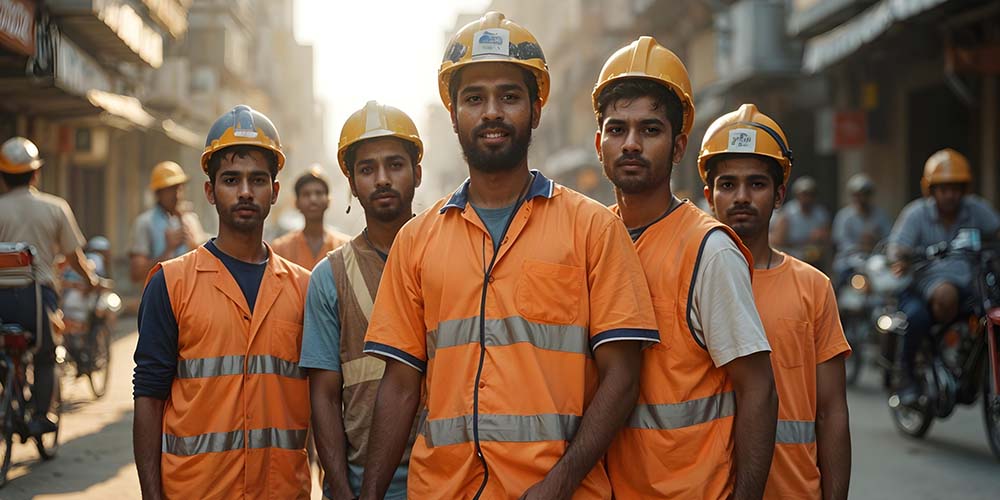
You’re the HR head of a rapidly growing manufacturing company. Your team is stretched thin, juggling scaling production, marketing, and sales to meet unexpected demand. You need to fill critical roles in your production department and quickly expand your geographic reach with your sales representatives. The traditional hiring process is time-consuming and might not align with your urgent needs. What’s the solution?
Take an example of the upcoming festive (Diwali) season. Such seasonal scaling requirements are short-term and demand swift action. How would you handle this situation?
Defining temporary staffing
Temporary staffing, also known as contract staffing, contract hiring, or contingent labor, involves hiring workers on a contract to meet specific business needs. These workers are typically employed for a defined period. In some cases, the company may define a strategy to keep contract hires for specific functions, such as in-store sales representatives. In bulk hiring situations, such as sales executives working across India for business expansion, these types of roles are commonly filled using temporary staffing. Except for a few, the temporary workforce is entitled to similar rights as that of permanent employees.
Types of temporary workers
Temporary workers can be categorized into three main types job categories:
- Blue-collar jobs: People perform manual labor tasks that require physical strength and skill. Examples include construction workers, and drivers.
- Grey-collar jobs: This category encompasses semi-skilled workers who perform semi-skilled tasks. Examples include electricians and back office executives.
- White-collar jobs: As the name suggests the jobs that require professional or administrative skills, such as specialized knowledge and skills, are white collar jobs. Examples include project managers, and data analysts.
Benefits of temporary staffing for businesses
Temporary staffing offers numerous benefits for businesses, including:
- Flexibility: Contract staff provides flexibility to businesses, allowing them to quickly scale their workforce up or down to meet changing demands.
- Cost-effectiveness: Contract staffing can be more cost-effective than hiring permanent employees, such as for short-term projects or seasonal needs.
- Reduced risk: Temporary workers can help businesses mitigate risks associated with hiring permanent employees, such as unemployment costs and wrongful termination lawsuits.
- Access to specialized skills: Temporary staffing can provide access to specialized skills and expertise that may not be available within the company’s permanent workforce.
- Trial periods: Contract assignments can serve as trial periods to assess a candidate’s suitability for a permanent role.
- Compliance: Temporary staffing can help businesses comply with labor regulations and avoid the complexities of permanent employee relationships.
- Reduced overhead costs: In case of bulk hiring, this staffing approach can help businesses reduce overhead costs by eliminating the need for benefits, and other expenses associated with permanent employees.
Legal and compliance framework for temporary staffing in India
The legal and compliance framework for contract hiring in India is complex and subject to change. Businesses must adhere to various labor laws and regulations, including:
- The Contract Labour (Regulation and Abolition) Act, 1970: This act regulates the employment of contract labor and sets out conditions for their employment.
- The Minimum Wages Act, 1948: This act sets minimum wages for workers in various industries and occupations.
- The Industrial Disputes Act, 1947: This act provides for the settlement of industrial disputes and regulates trade unions.
- The Employees’ State Insurance Act, 1948: This act provides insurance benefits to employees and their dependents.
- The Provident Funds and Miscellaneous Provisions Act, 1952: This act provides for retirement benefits to employees.
It is important for businesses to comply with these and other relevant labor laws when employing temporary workers. If a company fails to comply to the legal requirements, the results are penalties and severe legal action. In some cases, the impact could be jail term as well.
Best practices for effective temporary staffing
Effective contract staffing requires careful planning and execution. By adhering to proven best practices, businesses can ensure a smooth and successful experience. From defining clear requirements to selecting the right staffing agency, these guidelines will help you optimize your contract staffing efforts. Some of the best practices are:
- Partner with a reputable staffing agency: Choose an agency with a strong track record and expertise in your industry.
- Requirement gathering and communication: Clearly communicate your requirements to the staffing agency, including job descriptions, skills, and experience levels.
- Utilize technology: Leverage digital tools to streamline the recruitment, onboarding, and management processes.
- Performance evaluation: Regularly assess the performance of temporary workers and provide feedback.
- Consider converting temporary workers to permanent roles: If a temporary worker performs well, consider offering them a permanent position.
Industry benchmarks and trends
The contract staffing industry in India has been growing steadily in recent years, driven by factors such as economic growth, urbanization, globalization, and the increasing demand for flexible workforce solutions. Some key industry benchmarks and trends include:
- Growth: The contract hiring market in India is expected to continue growing at a healthy rate, driven by factors such as increased outsourcing, project-based work, and the need for specialized skills. One report by Business Market Insights forecasts a CAGR of 13.2% for the India staffing and recruitment market from 2022 to 2030.
- Digitalization: Technology advancements are transforming the availability of workforce impacting the industry, with increasing adoption of digital platforms and tools for recruitment, onboarding, and management.
- Skill shortages: Skill shortages in certain sectors, such as IT, engineering, and healthcare, are driving demand for temporary workers.
- Gig economy: The rise of the gig economy is creating new opportunities for contract labor and businesses seeking flexible talent.
- Compliance: Ensuring compliance with labor laws and regulations remains a key challenge for businesses operating in the temporary staffing industry. There are significant ongoing legislative improvement, yet there are overwhelmingly over 100 central and state laws for staffing, highlighting the substantial complexity of compliance.
Understanding these industry benchmarks and trends can help businesses make informed decisions when considering temporary staffing services. Our Employment Outlook Report H1 FY25 reveals that 35% and 36% of respondents cite skill shortages as major challenges, with employers stressing the need for skilled workers to adapt to evolving technological roles.
By understanding the benefits, legal framework, and industry trends of contract hiring, Indian businesses can make informed decisions about their workforce needs. Whether facing seasonal fluctuations, project-based work, or skill shortages, temporary staffing services offers a flexible and efficient solution to scale your team and achieve your business goals.
Returning to our earlier example, by partnering with a reputable staffing agency, the HR head at the manufacturing company could have quickly filled the critical roles in different departments quickly, ensuring minimal disruption to operations. Contract staffing offers a flexible and efficient solution for businesses facing urgent hiring needs, allowing them to scale their workforce without incurring long-term commitments.
Author
Latest Blogs
Retail Staffing and Recruitment Challenges in India
India's retail sector is undergoing a period of rapid transformation. Driven by rising consumer spending, the expansion of organized retail, omnichannel business models, and growing...
Read MoreCombat Employee Turnover with Predictive AI
Employee attrition has become one of the biggest workforce challenges for modern businesses. It impacts productivity, hiring costs, and long-term growth. Traditional retention strategies often...
Read MoreFuture of Work: Upskilling and Reskilling in the AI Era
The acceleration of artificial intelligence is reshaping labor markets at a pace that conventional education and workforce systems struggle to match. This is not merely...
Read MoreHiring Trends 2026: Workforce Solutions for Recruitment Challenges
India’s labour market in 2026 is undergoing a structural shift. While economic expansion, digital transformation, and AI adoption are accelerating hiring demand, employers continue to...
Read MoreTalent Management Strategy 2026: Skills-First Future-Ready Workforces
Talent management strategy is undergoing a fundamental shift as organizations move beyond traditional hiring models toward building agile, skills-driven workforces. Rapid technological change, AI-led disruption,...
Read MoreNavigating Growth in the Consumer Durables Industry in India

India is currently the world’s fastest-growing major economy and the largest by population, comprising over 18% of the global populace and accounting for 3% of total consumption. This massive market is poised to become the third-largest consumer market by 2027, driven by rising consumer spending power, changing lifestyles, and evolving tastes for consumer durables and electronics. This rapid growth in the consumer durables industry in India presents unparalleled opportunities for manufacturers, retailers, and other stakeholders to capitalize on the burgeoning demands from Indian consumers.
The consumer durables and electronics industry in India is segmented into small and large appliances, as well as consumer electronics. The market for consumer durables in 2024 is valued at $34.7 billion and is projected to reach $45.6 billion by 2028, growing at a CAGR of 7.1%. Meanwhile, the consumer electronics market, valued at $79.7 billion in 2024, is expected to grow to $108.8 billion by 2028, with a CAGR of 8.1%.
This upward trend in penetration and premiumization is driven by rising aspirations, increasing disposable incomes, and more promotional offers. Key categories such as Televisions, Air Conditioners, and Refrigerators show significant growth potential, with air conditioners being notably underpenetrated in India at only 8%, compared to the global average of 42%.
Government Initiatives and Support:
During the last quarter of FY24, the Indian government distributed approximately Rs. 79 crore (US$ 9.51 million) in fiscal incentives under the Production Linked Incentive (PLI) scheme for white goods. This PLI scheme for White Goods (air conditioners and LED lights), running from FY 2021-22 to FY 2028-29, has approved 64 applicantThe Indian government has distributed Rs. 79 crore (US$ 9.51 million) in incentives under the PLI scheme for white goods in Q4 FY24. The scheme, running from FY 2021-22 to FY 2028-29, has approved 64 applicants with a total committed investment of US$ 814 million (Rs. 6,766 crore). Efforts are underway to create a common data repository on service centers and repair policies for consumer durables to safeguard customer rights.
Since November 2021, 42 companies have been selected under the PLI scheme for white goods, with an investment commitment of Rs. 4,614 crore (US$ 580.6 million), expected to generate 44,000 jobs. An additional 19 companies applied in April 2022, committing Rs. 1,548 crore (US$ 194.79 million). The PLI scheme has facilitated the establishment of 61 component manufacturing units across 14 states, boosting employment.
The government continues to push for self-reliance through the “Make in India” initiative and has extended the PLI scheme for large-scale electronics manufacturing until FY26. The National Policy on Electronics 2019 targets the production of one billion mobile handsets worth US$ 190 billion by 2025, with 600 million units (US$ 100 billion) slated for export.
The government has permitted 100% FDI under the automatic route in electronics manufacturing and has increased the FDI limit in single-brand retail to 100%, with plans to raise it to 51% in multi-brand retail.

Job Market Dynamics
India boasts a workforce of 590 million, with formal employment accounting for 13.6% and informal employment making up 86.4%. Within this landscape, the organized sector employs 18.9%, while the unorganized sector engages 81.1% of the workforce. The formal temporary workforce, numbering 5.4 million, has grown at a CAGR of 10.4% over the past five years, becoming a crucial component of the labor market.
The rise in temporary staffing is driven by the need for operational flexibility and compliance assurance. Businesses increasingly rely on temporary workers to meet fluctuating demands, tapping into a diverse pool of skilled and unskilled individuals promptly.
The Role of the People Supply Chain in the Consumer Durables Industry:
As per the TeamLease Report on Consumer Durables & Electronics – A Staffing Perspective,
- Gender Distribution: The workforce is predominantly male (94%), highlighting a need for greater gender diversity.
- Average Age: The average age is 31, indicating a young workforce.
- Average Tenure: The average tenure is 2.8 years, with metro cities showing higher tenure (3.4 years) compared to Tier 2 cities (2.3 years).
- Education: Nearly half of the workforce has education below the 12th standard, necessitating targeted training programs to develop essential skill sets.
Attrition and its Costs
Attrition remains a significant challenge, especially in metro areas, with an overall rate of 57%. Regrettable attrition, involving high-performing employees, accounts for 22%, while non-regrettable attrition is 31%. The cost of attrition for an organization with 1,000 employees is approximately ₹3.64 crores annually, with significant costs associated with recruitment, training, and lost productivity.
The opportunity cost due to attrition is substantial, with an estimated ₹118.6 crores in lost revenue for an organization of this size, primarily due to the time required to fill vacant positions and the lower productivity of new hires.
Road Ahead
Consumer durable companies see rural India as the next major growth frontier, driven by increased market penetration and the government’s rural electrification initiatives. Over the past few years, improved power supply in tier 3 and 4 towns and villages has paved the way for the adoption of electrical products. Alongside this, these companies are increasingly focusing on training and employing a local workforce as brand ambassadors to enhance product reach and service quality in these emerging markets. By empowering local communities with skills and employment opportunities, companies are not only expanding their market but also strengthening brand loyalty and customer trust in rural areas.
Click here to download your copy of the TeamLease Report on Consumer Durables & Electronics – A Staffing Perspective.
Author

Latest Blogs
Retail Staffing and Recruitment Challenges in India
India's retail sector is undergoing a period of rapid transformation. Driven by rising consumer spending, the expansion of organized retail, omnichannel business models, and growing...
Read MoreCombat Employee Turnover with Predictive AI
Employee attrition has become one of the biggest workforce challenges for modern businesses. It impacts productivity, hiring costs, and long-term growth. Traditional retention strategies often...
Read MoreFuture of Work: Upskilling and Reskilling in the AI Era
The acceleration of artificial intelligence is reshaping labor markets at a pace that conventional education and workforce systems struggle to match. This is not merely...
Read MoreHiring Trends 2026: Workforce Solutions for Recruitment Challenges
India’s labour market in 2026 is undergoing a structural shift. While economic expansion, digital transformation, and AI adoption are accelerating hiring demand, employers continue to...
Read MoreTalent Management Strategy 2026: Skills-First Future-Ready Workforces
Talent management strategy is undergoing a fundamental shift as organizations move beyond traditional hiring models toward building agile, skills-driven workforces. Rapid technological change, AI-led disruption,...
Read More