
Manufacturing Industry Growth in India and Hiring Trends
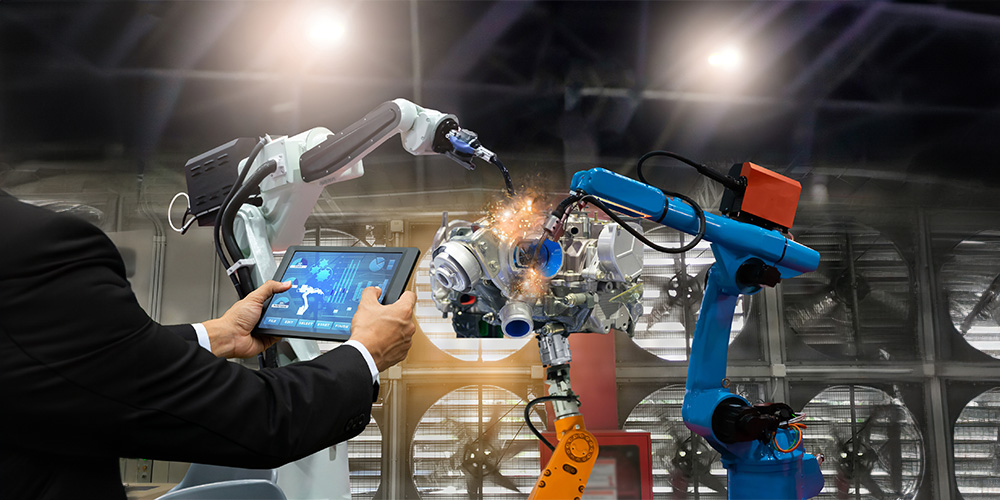
The manufacturing landscape in India is experiencing a notable uptick in investment, particularly in sectors like automobiles, electronics, and textiles fueling the manufacturing industry growth in India. These industries are emerging as frontrunners in propelling the country’s manufacturing growth. Key government initiatives, such as ‘Make in India’, have played a pivotal role in fostering a conducive business environment, attracting investment, and fostering domestic manufacturing capabilities. Regulatory processes have been streamlined, facilitating smoother operations for businesses. The implementation of Production-Linked Incentives (PLIs) has also provided a significant impetus to various manufacturing sectors. In addition to ‘Make in India’, initiatives like the Bharatmala Pariyojana Project, the proposed DESH Bill, Skill Development Initiatives, Infrastructure Development, Ease of Doing Business Reforms, and the National Logistics Policy have further enriched opportunities within the industrial domain.
With the manufacturing sector currently contributing around 17% to the GDP, projections indicate a growth potential to reach 21% in the coming 6-7 years. This trajectory underscores India’s capacity to fortify its position within global supply chains.
Government Initiatives for Manufacturing Industry Growth in India
Make in India (2014): Launched in 2014, this flagship initiative aims to foster a favourable environment for domestic and foreign investments in manufacturing across 25 pivotal sectors, encompassing automobiles, electronics, textiles, and pharmaceuticals. “Make in India” has garnered notable international interest, drawing investments from global industry leaders across diverse sectors.
India continues to attract significant foreign direct investment (FDI), reaching $25.53 billion in FY 2023-24, supporting its GDP growth projection of 6% to 6.8% in 2023-24. Climbing from 142nd to 63rd in the Ease of Doing Business Ranking 2020 and to the 40th position in the Global Innovation Index, India showcases a favourable business environment. With exports surging to $770.18 billion and emerging as the world’s second-largest mobile phone producer, India aims to become a $5 trillion economy by 2025, driven by a growing population expected to reach 152.2 crore by 2036.
India’s infrastructure development includes industrial corridors and 21 new industrial cities, supported by investments from Japan. Initiatives like the Smart Cities Mission and the Sagar Mala project aim to modernise infrastructure. Simultaneously, reforms in sectors like defence, civil aviation, and pharmaceuticals, allowing increased FDI, signal India’s commitment to fostering innovation and economic growth.
Production Linked Incentive (PLI) Scheme (2021): Introduced in 2021, the PLI scheme encompasses 14 sectors, including telecommunications, white goods, textiles, medical device manufacturing, automobiles, speciality steel, food products, high-efficiency solar PV modules, advanced chemistry cell batteries, drones, and pharmaceuticals, with an allocation of Rs 1.97 lakh crore. As of November 2023, PLI schemes have attracted investments exceeding Rs 1.03 lakh crore, resulting in production/sales totalling Rs 8.61 lakh crore and generating over 6.78 lakh jobs. The PLI scheme has been a catalyst for investment, driving companies to enhance their manufacturing capabilities and adopt innovative technologies. With 746 applications approved, it has garnered investments totalling 1.07 lakh crore. This is in line with the global shift towards automation and smart manufacturing, where data exchange and interconnected systems are paramount.
The allocation of 70-80% of the scheme towards environmentally friendly initiatives is anticipated to stimulate green investments in India. This encompasses sectors like fuel cell technology, electric vehicles, solar photovoltaic (PV) systems, and ACC batteries. The ratio of incentives to capital expenditure varies across different sectors, reflecting a tailored approach to incentivising investment based on sector-specific considerations.
According to the Indian Staffing Federation, this massive boost in production due to the PLI scheme has the potential to double the existing workforce across sectors.
Infrastructure Development: Many Infrastructural Development initiatives by the government are fueling the manufacturing Industry growth in India, some of which are:
- Sagarmala Initiative (2016): This endeavour concentrates on enhancing port infrastructure, logistics, and coastal connectivity to bolster maritime trade and export competitiveness.
- Bharatmala Project (2015): This ambitious initiative seeks to establish a comprehensive network of highways, expressways, and logistical corridors to enhance connectivity within India and with neighbouring nations.
- Dedicated Freight Corridors (DFCs): These specialised railway lines are designed to accelerate freight transportation, thereby lowering costs and enhancing supply chain efficiency.
Ease of Doing Business Reforms: The government is leading initiatives to improve the business environment by simplifying processes, reducing compliance burdens, and implementing key reforms like GST introduction, corporate tax reduction, labour code enactment, FDI policy reforms, and measures to boost domestic manufacturing. These efforts aim to create a favourable business and economic environment.
The key focus areas of the initiatives are:
- Simplifying procedures related to applications, renewals, inspections, filing records, etc.
- Rationalisation by repealing, amending or subsuming redundant laws
- Promoting digitisation by creating online interfaces to eliminate manual forms and records
- Decriminalising minor technical or procedural defaults
Hiring for Manufacturing Industry in India
India’s manufacturing sector is on the cusp of a transformative leap, aiming to bolster its GDP contribution to 25% by 2025. The hiring for the manufacturing sector is on the rise with a plethora of job opportunities, particularly in high-growth areas like automotive, electronics, and textiles, fueled by domestic demand and export prospects. Technological advancements, including automation and AI, are expected to reshape the sector, necessitating a skilled workforce adept in modern manufacturing practices. According to TeamLease’s Employment Outlook Report H2FY24, 74% of the employers have projected incremental workforce expansion and 69% incremental new hiring for manufacturing, with Chennai, Bangalore, Hyderabad, and Coimbatore emerging as the top cities for recruitment in this sector.
Building a combination of technical and soft abilities is crucial for individuals eyeing a successful career in the manufacturing sector. While the knowledge of automation and robotics is critical for enhancing efficiency and production, the capacity to analyse and understand data from sensors and machines helps in process optimisation and decision-making. Similarly, understanding CAD and CAM software and technical troubleshooting skills are important for ensuring smooth production.
Addressing Skill Shortages
The rapid adoption of Industry 4.0 technologies such as AI, ML, and automation has resulted in a skills gap within the manufacturing industry in India. A survey reveals that 74% of manufacturing executives struggle to find qualified candidates for roles in these specialised areas.
To address this demand-supply gap, collaborative efforts between educational institutions and industry stakeholders are underway. These partnerships aim to develop specialised training programs and certification initiatives tailored to equip workers with the necessary skills, thereby bridging the divide between talent availability and industry requirements in the evolving landscape of Industry 4.0.
Initiatives like the National Apprenticeship Promotion Scheme (NAPS), Pradhan Mantri Kaushal Vikas Yojana (PMKVY), Deen Dayal Upadhyaya Grameen Kaushalya Yojana (DDU-GKY), and Pradhan Mantri Yuva Udyamita Vikas Abhiyan (PM-YUVA) are spearheaded by the Government of India. These programs are designed to foster apprenticeship training and skill enhancement among the nation’s youth, aiming to alleviate skill shortages and cater to the demand for industry-aligned competencies.
Final thoughts
India’s manufacturing industry is experiencing robust growth driven by government initiatives like Make in India and the Production Linked Incentive (PLI) Scheme, alongside infrastructure development projects. This growth has led to increased hiring, especially in sectors like automotive, electronics, and textiles, fueled by domestic demand and export opportunities. However, addressing skill shortages remains challenging, with initiatives like NAPS and PMKVY aiming to bridge the gap. With collaborative efforts, India is poised to strengthen its position in global supply chains and contribute significantly to economic growth.
Author

Latest Blogs
Retail Staffing and Recruitment Challenges in India
India's retail sector is undergoing a period of rapid transformation. Driven by rising consumer spending, the expansion of organized retail, omnichannel business models, and growing...
Read MoreCombat Employee Turnover with Predictive AI
Employee attrition has become one of the biggest workforce challenges for modern businesses. It impacts productivity, hiring costs, and long-term growth. Traditional retention strategies often...
Read MoreFuture of Work: Upskilling and Reskilling in the AI Era
The acceleration of artificial intelligence is reshaping labor markets at a pace that conventional education and workforce systems struggle to match. This is not merely...
Read MoreHiring Trends 2026: Workforce Solutions for Recruitment Challenges
India’s labour market in 2026 is undergoing a structural shift. While economic expansion, digital transformation, and AI adoption are accelerating hiring demand, employers continue to...
Read MoreTalent Management Strategy 2026: Skills-First Future-Ready Workforces
Talent management strategy is undergoing a fundamental shift as organizations move beyond traditional hiring models toward building agile, skills-driven workforces. Rapid technological change, AI-led disruption,...
Read MoreNavigating Growth and Challenges in the Indian FMCG Sector in India

In recent years, the FMCG sector in India has witnessed remarkable growth and transformation. With a booming economy, rising consumer spending, and technological advancements, the Indian FMCG industry is poised for further expansion. The FMCG, being the fourth largest industry, is predicted to grow at a 14.9% CAGR to $220 billion by 2025, up from $167 billion in 2023.
The industry employs a total workforce of 3 million, comprising 8.4% of the total factory employment, with women accounting for 13% of this workforce, equivalent to 390,000 individuals, and representing 18% of corporate leadership positions.
We’ll delve into the various aspects of the Indian FMCG industry, exploring its growth drivers, market trends, government support, technological advancements, and the critical role of the people supply chain.
Growth Drivers and Market Trends:
India’s economy ranks among the top in the world, with significant GDP growth and a burgeoning middle class India is expected to be the world’s third-largest consumer market by 2030. This growth has propelled the FMCG industry, with consumer expenditure projected to reach unprecedented levels. Tier 2 and Tier 3 cities are emerging as key markets, surpassing metropolitan regions in retail consumption. Mumbai, Bangalore, Chennai, Delhi, and Hyderabad are among the top five Indian cities that showcase a strong intent to hire for FMCG jobs. The top three functions experiencing significant hiring in the industry are sales, marketing, and information technology.
Additionally, the FMCG sector is witnessing robust growth in rural areas, driven by increased disposable income and improved living standards. Market segmentation reveals a diverse range of products, from Household and Personal care (50%), Food & Beverages (31%), and Healthcare (19%).
Government Initiatives and Support:
The Indian government has implemented several initiatives to support the FMCG industry’s growth trajectory. Schemes such as ‘Gati Shakti’ and the Production-Linked Incentive (PLI) Scheme aim to streamline processes, boost domestic manufacturing, and attract foreign investment. The Open Network for Digital Commerce (ONDC) and favourable FDI policies have further enhanced the industry’s competitiveness and market reach. In the next two years, it is expected that e-commerce will account for 25% of all consumer purchases in India, up from 8% now that it has reached 500+ cities and added more than 3+ lakh sellers/service providers.
Technological Advancements and Digital Transformation:
Technology is playing a pivotal role in shaping the future of the FMCG brands in India. From digital marketing and e-commerce to blockchain and AI-based analytics, companies are leveraging cutting-edge technologies to drive efficiencies and meet consumer demands. The rise of direct-to-consumer (D2C) models and the growth of online channels are reshaping traditional retail paradigms, offering new opportunities for market expansion and consumer engagement. It is forecasted that by 2040, a whopping 95% of all retail purchases will be made online.
Challenges and Opportunities:
Despite its promising outlook, the FMCG sector in India faces challenges such as data management, brand management, price wars, and catering to diverse demographics. In 2030, India will have 370 million Gen Z consumers with different purchasing priorities. FMCG businesses will need to keep abreast with the needs of the modern Indian consumer who is highly aware, exhibits a preference for health and nutrition, and has higher spending power.
The Role of the People Supply Chain:
As per the TeamLease Report on Empowering the Essentials : A Deep Dive into India’s FMCG Workforce:
- Gender share in FMCG: The proportion of male associates is over 90% of the outsourced workforce.
- The distribution of outsourced associates is highest in Uttar Pradesh (14%) followed by Maharashtra (13%) and Andhra Pradesh (9%).
- Male associates have an educational attainment of up to the 12th grade & below at a rate of 51%, while female associates exhibit a higher rate of 60%.
- The YoY growth rate of overall associates is 1.2%.
In the dynamic FMCG industry, success hinges on the efficiency and effectiveness of the people supply chain. Hiring the right talent, reducing attrition, and enhancing productivity are critical factors for business success. Leveraging technology-enabled tools, streamlining onboarding processes, and investing in employee development are key strategies for optimizing the people supply chain. Additionally, fostering a culture of diversity and inclusion and providing opportunities for career progression are essential for employee engagement and retention.
In 2024, the Indian FMCG industry is poised for transformation as stakeholders respond to heightened customer awareness of pricing, packaging, quality, and sustainability. Adopting AI-powered solutions like ML and NLP (Natural Language Processing), along with manufacturing automation, will be crucial for delivering excellence. While the adoption of technology may unlock the path to a better understanding of consumer needs and wants, insights can only be derived and delivered by a dedicated and skilled workforce that is responsive to the needs of the customer.
By leveraging government support, embracing digital transformation, and optimizing people in the FMCG supply chain, FMCG companies can position themselves for sustained growth and success. With a strategic approach and a focus on innovation and agility, the Indian FMCG industry is poised to capitalize on emerging opportunities and overcome existing challenges, driving growth and prosperity in the years to come.
Click here to download your copy of the TeamLease Report on Empowering the Essentials : A Deep Dive into India’s FMCG Workforce
Author

Latest Blogs
Retail Staffing and Recruitment Challenges in India
India's retail sector is undergoing a period of rapid transformation. Driven by rising consumer spending, the expansion of organized retail, omnichannel business models, and growing...
Read MoreCombat Employee Turnover with Predictive AI
Employee attrition has become one of the biggest workforce challenges for modern businesses. It impacts productivity, hiring costs, and long-term growth. Traditional retention strategies often...
Read MoreFuture of Work: Upskilling and Reskilling in the AI Era
The acceleration of artificial intelligence is reshaping labor markets at a pace that conventional education and workforce systems struggle to match. This is not merely...
Read MoreHiring Trends 2026: Workforce Solutions for Recruitment Challenges
India’s labour market in 2026 is undergoing a structural shift. While economic expansion, digital transformation, and AI adoption are accelerating hiring demand, employers continue to...
Read MoreTalent Management Strategy 2026: Skills-First Future-Ready Workforces
Talent management strategy is undergoing a fundamental shift as organizations move beyond traditional hiring models toward building agile, skills-driven workforces. Rapid technological change, AI-led disruption,...
Read MoreWorking With a Multigenerational Workforce: Benefits and Challenges

With the world of work evolving at lightning speed, one of the most significant dynamics at play is the coexistence of a multigenerational manpower. From Baby Boomers to Gen Z, each cohort brings its unique perspectives, work styles, and expectations to the table. This multigenerational workforce presents both opportunities and challenges for organisations striving to maximise productivity and foster a harmonious work environment.
As life expectancy rises and retirement becomes more flexible, it is now common for organisations to have employees working side-by-side who represent three to four generations. However, each generation has varied work habits, expectations, and communication styles, making dealing with people from different age groups often challenging.
So, what strategies can your organisation use to reap the benefits of a multigenerational workers? Let’s start by examining the composition of today’s workforce:
Baby Boomers: This generation is known for its strong work ethic and dedication to hierarchical structures.
Generation X: Gen X holds a reservoir of experiential knowledge. Their tenure in a pre-AI professional landscape equips them with critical thinking and problem-solving skills that are unique and complementary to AI’s capabilities.
Generation Y or the Millenials (Digital Natives): The oldest Gen Ys are in their late 30s—fewer years separate today and their retirement than when they began high school. They’re slaying the hustle culture, the phrase prescribed to millennials who burned themselves out climbing the corporate ladder or trying to launch their own business in a post-recession era.
Or, at least, that’s what some people think.
Generation Z (Zoomers): The emerging generation that we’re still trying to understand isn’t the Millennials anymore. It’s Generation Z—individuals born after the mid-1990s. The World Economic Forum report tells a different story: this under-25 demographic will account for more than a quarter of the workforce by 2025, a workforce that is becoming increasingly infused with AI usage.
GenZs and millennials—both generations grew up with changing technology—share similarities in their perceptions of the ideal size of a high-performing portfolio and the factors to consider—or overlook—when contemplating a career path. These younger generations have grown up with changing technology, making them particularly adept at navigating the digital landscape.
Benefits of a multigenerational workforce
Each workforce from a different generation has a unique perspective shaped by their experiences, upbringing, and cultural influences; they bring varied work habits, expectations, and communication styles to the table. Thus, there are a lot of possibilities of beneficial perks from having a multigenerational workforce.
- Diverse perspectives: A mix of generations encourages diverse thinking and problem-solving approaches, leading to more creative and innovative solutions.
- Knowledge sharing: Older generations often possess valuable institutional knowledge and expertise gained through years of experience.
- Technological fluency and innovation: Younger generations are more adept at leveraging technology, digital tools, and platforms. They can help older colleagues navigate new technologies and drive innovation within the organisation.
- Enhanced communication skills: Encouraging interaction among employees of different age groups can improve communication skills across the organisation, leading to better collaboration and teamwork.
- Employee engagement and retention: A diverse workforce that values inclusivity and respects different perspectives tends to foster a sense of belonging among employees. This can lead to higher engagement and job satisfaction, ultimately improving employee retention rates.
- Adaptability and resilience: Different generations bring unique strengths and coping mechanisms, enabling the organisation to navigate challenges more effectively.
- Succession planning and leadership development: Organisations can develop a pipeline of future leaders from diverse ages. This helps ensure continuity and sustainability within the organisation, even as older employees retire or transition to new roles.
Challenges of a multigenerational workforce
Managing a multigenerational manpower poses several challenges due to the diverse perspectives, values, work styles, and communication preferences among employees of different age groups. Below are several of the main challenges:
- Communication gap: Each generation’s preference for different communication methods creates a gap.
- Work preferences: Balancing different generations’ attitudes toward work preferences can be challenging for managers.
- Technology adaptation: Younger generations are tech-savvy, while older workers may struggle to adapt to new technologies.
- Conflict resolution: Misunderstandings, stereotypes, and biases based on age can arise and hinder teamwork and collaboration.
- Leadership styles: Different generations may have different expectations of leadership and management.
- Knowledge transfer and succession planning: As older workers retire, effective knowledge transfer to younger generations is fundamental for maintaining organisational functions.
- Retention: Understanding and catering to employees’ diverse needs and preferences across different age groups is essential for retaining top talent.
Bridging the generational divide
To address the evolving needs of a multigenerational manpower and leverage the unique strengths each generation brings, organisations can implement several strategies:
- Skill-based hiring: Prioritise hiring based on skills, competencies, and potential contributions rather than just educational credentials or experience. Consider consultants or contract staffing for temporary specialised skills and expertise.
- Effective communication: Implement communication strategies that cater to diverse generational preferences. Effective communication reduces attrition by fostering employees’ sense of belonging and engagement.
- Adaptable training programs: Provide diverse training opportunities tailored to various learning styles and skill levels. Offer both traditional classroom and online modules, along with on-the-job experiences.
- Cross-generational mentoring: Encourage cross-generational mentorship for knowledge exchange and skill development.
- Embrace diversity and inclusion: Foster an inclusive environment where all generations feel valued and empowered to share their unique perspectives.
- Agile talent management: Adopt agile talent management to swiftly adapt to changing workforce needs. This may include hiring consultants or using contract staffing to fill temporary skill gaps and workload fluctuations.
Flexibility in work arrangements: Recognising the importance of work-life balance, offer flexible arrangements to accommodate diverse generational needs. This promotes satisfaction, reduces attrition, and enhances employee well-being.
Temporary teams comprising contract workers are vital for today’s agile workforce model. Focused on outcomes, they bring together diverse skills and backgrounds, enabling success in person or remotely. Professional staffing firms have been building teams from various yet curated talent pools for a while now with great success.
Conclusion
Working with a multigenerational manpower offers both opportunities and challenges. Organisations must prioritise skill-based hiring, effective communication, and adaptable training to meet market needs. Embracing diversity and inclusivity, fostering cross-generational collaboration, and emphasising continuous learning enable sustainable growth in the age of AI and digital transformation. Addressing communication gaps and work preferences is crucial, and solutions like cross-generational mentoring and hiring consultants help bridge generational divides for resilient, future-ready workplaces.
Let’s collaborate to bridge generational divides, foster innovation, and drive sustainable growth. Connect with us to explore tailored strategies and experienced professionals who can elevate your workforce to new heights. CONTACT US
Author

Latest Blogs
Retail Staffing and Recruitment Challenges in India
India's retail sector is undergoing a period of rapid transformation. Driven by rising consumer spending, the expansion of organized retail, omnichannel business models, and growing...
Read MoreCombat Employee Turnover with Predictive AI
Employee attrition has become one of the biggest workforce challenges for modern businesses. It impacts productivity, hiring costs, and long-term growth. Traditional retention strategies often...
Read MoreFuture of Work: Upskilling and Reskilling in the AI Era
The acceleration of artificial intelligence is reshaping labor markets at a pace that conventional education and workforce systems struggle to match. This is not merely...
Read MoreHiring Trends 2026: Workforce Solutions for Recruitment Challenges
India’s labour market in 2026 is undergoing a structural shift. While economic expansion, digital transformation, and AI adoption are accelerating hiring demand, employers continue to...
Read MoreTalent Management Strategy 2026: Skills-First Future-Ready Workforces
Talent management strategy is undergoing a fundamental shift as organizations move beyond traditional hiring models toward building agile, skills-driven workforces. Rapid technological change, AI-led disruption,...
Read MoreGrowth of Hospitality Industry in India 2023 and Prospects for 2024

Reflecting on the Year: A Recap of 2023
The hospitality industry in India experienced a remarkable revival in 2023, marked by escalating hotel prices, soaring airfares, and increased travel expenditures. This translated into a promising year for tourism and hospitality in India. As we delve into 2024, sustained growth is strongly indicated, particularly in domestic travel. Premium hotels nationwide reported impressive occupancy rates ranging from 70% to 72%, accompanied by average room rates exceeding ₹6,000 per night, as the rating agency Icra indicated. Notably, hotel revenues demonstrated a robust 20% surge compared to 2022, with operating margins surpassing the 30% mark.
Factors driving the growth of hospitality Industry in India
The remarkable growth of hospitality industry in India in 2023 can be attributed to many influential factors. At the forefront is the substantial double-digit increase in revenue, fueled by a resurgence in domestic demand and the recovery of foreign tourist arrivals. Notably, the year was marked by the buoyancy of domestic leisure trips and the thriving landscape of meetings, incentives, conferences, and exhibitions (MICE) events. Hosting major global events, including the G20 Summit and the ICC World Cup, played a pivotal role in driving the industry’s success. The return of business travellers was equally significant, contributing substantially to the growth of hotel industry in India during the year.
The attraction of visa-free travel offerings from countries like Malaysia, Sri Lanka, Thailand, and Kenya has significantly contributed to the escalating demand for outbound travel. In the initial ten months of 2023, the total number of outbound tourist departures reached an impressive 22.6 million, surpassing the previous year’s figure of 17.5 million for the same duration. Furthermore, the country experienced a substantial surge in foreign tourist arrivals, welcoming 7.2 million visitors during the first ten months of 2023, a noteworthy increase from the 4.6 million recorded during a comparable period in 2022.
Religious Tourism Boom
Tourism and hospitality in India have also seen a notable surge in religious tourism, with destinations like the Ayodhya Ram Temple, Kashi Vishwanath, and Mahakal Temple in Ujjain drawing increasing numbers of spiritual seekers. The estimated influx of over 50 million tourists annually to Ayodhya reflects the growing interest in these sacred sites. Furthermore, the opening of the Kashi Vishwanath Corridor in Varanasi in 2021 has bolstered tourism in the city, with 130 million visitors already flocking to the area, as per government data. Other religious landmarks, such as the Tirupati Temple in Andhra Pradesh, which sees 25 million annual visitors, and the Vaishno Devi Temple in Jammu and Kashmir, with 8 million visitors yearly, continue to hold profound spiritual, historical, and cultural significance across India, adding to the growth of hospitality industry in India.
This surge in tourism isn’t just about spiritual exploration; it’s also a significant economic driver for India. The focus on infrastructure development and city branding initiatives has attracted a significant influx of tourists and promises to create numerous employment opportunities across various sectors, including hospitality, travel agencies, transportation, and more. As these cities continue to evolve, they’re attracting tourists and laying the groundwork for sustainable economic growth and development.
Surging Opportunities and Hiring Trends in 2024
Fueled by a surge in travel, India experienced a remarkable 50% increase in hiring for tourism and hospitality positions between December 2022 and 2023. The World Travel and Tourism Council (WTTC)’s Economic Impact Research has forecasted India’s ascent to become the third most influential market in the global travel and tourism industry. Looking ahead, the upcoming year is poised for a 15-20% growth in hiring within the sector of tourism and hospitality in India, with a particularly notable surge expected in the fourth quarter of fiscal year 2024, projecting an impressive uptick of 68% compared to the preceding quarter.
Ministry of Tourism data reveals that in 2022, religious tourism welcomed a staggering 1439 million visitors, generating ₹1.34 lakh crore in revenue from these sacred sites. Projections indicate that by 2028, the sector is poised to yield a revenue of 59 billion, concurrently creating 140 million temporary jobs and permanent jobs by 2030. The Ayodhya Ram Temple’s religious tourism alone is estimated to contribute nearly 25,000 employment opportunities across roles such as chefs, front desk managers, housekeeping staff, and tour guides and significantly contributing to the growth of hospitality industry in India.
As the industry evolves, the emphasis on sustainability and responsible tourism is creating novel job avenues, including roles in eco-tourism and conservation. Additionally, upskilling the existing workforce is deemed crucial to meet the demands of this evolving landscape. Government initiatives, such as the Incredible India campaign and infrastructure projects, are estimated to play a pivotal role in job creation. Consequently, the travel sector is expected to be brimming with opportunities in 2024.
On the hospitality front, major players like the Indian Hotels Company Limited (IHCL), known for operating Taj Hotels, are gearing up to expand their footprint by adding 20 hotels across various cities. Similarly, Lemon Tree Hotels, another prominent player, is set to open 20 establishments in CY2024, spanning locations in India, Nepal, and Bhutan. Accor has outlined plans for a pipeline of five hotels in the coming year. In comparison, Marriott International and Wyndham are strategically positioned for substantial growth, with plans to add 60-plus and 40 hotels in the next few years. These ambitious expansion plans underscore the dynamic and flourishing landscape for the future of the hotel industry in India.
How Budget 2024 will impact the tourism and hospitality Industry in India
The 2024 budget announcement unveils a promising trajectory for India’s vibrant Travel & Tourism industry, buoyed by the successful hosting of G20 meetings across sixty locations. This global platform has not only showcased India’s cultural richness and economic dynamism but has also positioned the country as a premier destination for business and conference tourism. At the heart of the budget’s agenda lies the strategic development of iconic tourist centres, complemented by robust branding and global marketing efforts. By prioritising quality standards through establishing rating frameworks, the government aims to enhance visitor experiences and bolster the industry’s competitiveness on the global stage. Allocating long-term, interest-free loans to states for tourism infrastructure development underscores the commitment to fostering local entrepreneurship and sustainable tourism growth.
In response to the burgeoning demand for domestic travel, the budget allocates resources for enhancing tourism infrastructure, particularly in scenic locales like the Lakshadweep islands. Investments in port connectivity, tourism amenities, and infrastructure projects aim to stimulate domestic tourism, spur economic activity, and create employment opportunities in these regions. Overall, the 2024 budget sets a strategic course for leveraging India’s diverse tourism potential as a catalyst for inclusive growth and development, fostering economic prosperity while preserving and promoting the nation’s rich cultural heritage.
Closing Note
India’s tourism and hospitality industry experienced significant recovery and growth in 2023, marked by increased domestic and international demand, major global events, spiritual & religious tourism, and expansions in hotel chains. Looking ahead to 2024, the budget announcement sets a clear vision for enhancing India’s tourism offerings. Embracing sustainability and innovation will be key to driving inclusive growth and maintaining competitiveness.
Author
Latest Blogs
Retail Staffing and Recruitment Challenges in India
India's retail sector is undergoing a period of rapid transformation. Driven by rising consumer spending, the expansion of organized retail, omnichannel business models, and growing...
Read MoreCombat Employee Turnover with Predictive AI
Employee attrition has become one of the biggest workforce challenges for modern businesses. It impacts productivity, hiring costs, and long-term growth. Traditional retention strategies often...
Read MoreFuture of Work: Upskilling and Reskilling in the AI Era
The acceleration of artificial intelligence is reshaping labor markets at a pace that conventional education and workforce systems struggle to match. This is not merely...
Read MoreHiring Trends 2026: Workforce Solutions for Recruitment Challenges
India’s labour market in 2026 is undergoing a structural shift. While economic expansion, digital transformation, and AI adoption are accelerating hiring demand, employers continue to...
Read MoreTalent Management Strategy 2026: Skills-First Future-Ready Workforces
Talent management strategy is undergoing a fundamental shift as organizations move beyond traditional hiring models toward building agile, skills-driven workforces. Rapid technological change, AI-led disruption,...
Read MoreTelecom Industry in India: The evolving landscape

The telecom industry in India has been a key player in the country’s economic growth and digital transformation. As we delve into the future, it’s imperative to understand the challenges, drivers, and the trajectory that awaits this dynamic sector.
Challenges Facing the Telecom Industry in India:
Regulatory Hurdles: The telecom sector in India has often grappled with regulatory challenges. Rapid changes in policies, licensing issues, and spectrum allocation complexities pose hurdles for industry players. Navigating this regulatory landscape demands agility and adaptability.
Intense Competition: The Indian telecom market is highly competitive, with multiple players vying for market share. Intense competition exerts pressure on pricing strategies, quality of service, and innovation. Telecom companies need to continually innovate to stay ahead in this fiercely competitive environment.
Infrastructure Development: While urban areas enjoy robust telecom infrastructure, rural penetration remains a challenge. Building and maintaining a comprehensive network in remote areas demand significant investments. Bridging this urban-rural digital divide is crucial for the industry’s sustainable growth.
What are the key industry drivers of the telecom industry?
Digital Transformation: The surge in digital adoption is a primary driver for the telecom industry. As India progresses towards a digital economy, increased internet penetration, and the adoption of emerging technologies like 5G create new opportunities. Telecom companies need to align their strategies with this digital wave.
Smartphone Revolution: The proliferation of smartphones has redefined how people access information and services. The telecom industry’s future is intricately linked with the growth of smartphone users. Crafting services and applications that cater to the evolving needs of smartphone users is pivotal.
Data Explosion: The exponential growth in data consumption is reshaping the telecom landscape. High-speed internet, streaming services, and increased use of data-intensive applications contribute to this data explosion. Telecom companies must invest in robust networks to handle this surge in data demand.
Inventory in the Telecom Sector: In the telecom sector, inventory encompasses a range of tangible and intangible assets crucial for operations. This includes physical infrastructure such as cell towers, network equipment, and data centers. Additionally, the telecom spectrum, a finite and valuable resource, is a significant component of inventory. As technology evolves, inventory in the telecom sector in India extends to software systems, cybersecurity measures, and intellectual property.
The Future of the Telecom Industry:
5G Revolution: The advent of 5G technology is set to revolutionize the telecom industry. With faster speeds, low latency, and the capacity to connect numerous devices simultaneously, 5G opens avenues for innovation in healthcare, smart cities, and various industries. Telecom companies investing in 5G infrastructure will be at the forefront of this transformation.
IoT Integration: The Internet of Things (IoT) is another frontier that the telecom industry is poised to conquer. The interconnectivity of devices, from smart homes to industrial sensors, relies on robust telecom networks. The ability to facilitate seamless communication between devices will be a key determinant of success in the IoT era.
AI and Automation: Artificial Intelligence (AI) and automation are reshaping how telecom services are delivered. From predictive maintenance of network infrastructure to chatbots handling customer queries, AI enhances efficiency. Telecom companies integrating AI will optimize operations and enhance customer experiences.AI has shaped the sector as demand for faster, more reliable, and more efficient communication networks rises.
The telecom industry in India stands at the cusp of transformative change. While challenges persist, the industry’s resilience and capacity for innovation are evident. Navigating the complex regulatory landscape, embracing digital transformation, and investing in cutting-edge technologies will be the hallmarks of success for telecom companies looking to shape the future. As India advances into a new era of connectivity, the telecom industry’s role as a catalyst for progress is more critical than ever.
Author
Latest Blogs
Retail Staffing and Recruitment Challenges in India
India's retail sector is undergoing a period of rapid transformation. Driven by rising consumer spending, the expansion of organized retail, omnichannel business models, and growing...
Read MoreCombat Employee Turnover with Predictive AI
Employee attrition has become one of the biggest workforce challenges for modern businesses. It impacts productivity, hiring costs, and long-term growth. Traditional retention strategies often...
Read MoreFuture of Work: Upskilling and Reskilling in the AI Era
The acceleration of artificial intelligence is reshaping labor markets at a pace that conventional education and workforce systems struggle to match. This is not merely...
Read MoreHiring Trends 2026: Workforce Solutions for Recruitment Challenges
India’s labour market in 2026 is undergoing a structural shift. While economic expansion, digital transformation, and AI adoption are accelerating hiring demand, employers continue to...
Read MoreTalent Management Strategy 2026: Skills-First Future-Ready Workforces
Talent management strategy is undergoing a fundamental shift as organizations move beyond traditional hiring models toward building agile, skills-driven workforces. Rapid technological change, AI-led disruption,...
Read MoreWorkforce Expansion Strategies: New Hiring and Replacement Plans

Navigating today’s fast-paced world of work requires a keen understanding of the ever-changing employment landscape. Businesses face critical decisions regarding their staffing strategies. As industries evolve, the demand for individuals with expertise in emerging technologies such as artificial intelligence, blockchain, and data science continues to grow.
While the IT industry may have experienced setbacks, other industries such as healthcare and pharmaceuticals, BFSI (Banking, Financial Services, and Insurance), and manufacturing are witnessing a significant surge in workforce expansion.
Balasubramanian A, VP & Business Head, TeamLease Services, said “The upcoming job landscape in consumer-centric sectors such as healthcare and pharmaceuticals, Electric Vehicles (EV), and Infrastructure and Fast-Moving Consumer Durables (FMCD) reflects commendable growth. This surge in job aspects is driven by a collective demand for innovation, sustainability, and advancements in technology.”
The financial services industry is on the cusp of an intriguing phase, a phenomenon unseen for several decades. Whether it be banks, fintech firms, or insurance companies, the optimism that resonated strongly last year has every reason to endure. “79% of employers are going for new hiring, and 70% for replacement hiring. Kolkata takes the lead in H2 for BFSI workforce expansion. The Human Resources function spearheads the incremental new hiring. The employment landscape is optimistic, with none falling below 65% in incremental new hiring across industries. Additionally, a substantial 85% incremental new hiring in blue-collar roles showcases the enduring value of hands-on operational roles,” said Krishnendu Chatterjee, VP and Business Head, TeamLease Services.
5 major forces shaping the job market today
Despite positive indicators of workforce expansion, several factors can potentially affect employment dynamics. These include:
- Economic conditions: A large proportion of the respondents (69%) believe that economic conditions affect the employment environment majorly. While the overall economic growth rate of the country is the major concern, employment opportunities also depend on factors like inflation, recession, and global economic trends.
- Business growth or expansion is considered as another major factor by the respondents (53%). With the government and private sectors encouraging entrepreneurship, India should see a rise in job opportunities.
- Skill shortage, i.e. a mismatch between the available skilled workforce and the job requirements, can influence the hiring, according to 31% of the respondents.
- Technological advancements is a major factor in determining employment opportunities in India, according to 19% of the respondents.
- Policy changes: 15% of the respondents believe that policy changes, such as the labour laws, taxation, investment incentives, industrial regularisation, and global trade dynamics will have a major impact on employment in India.
Workforce landscape among industries, cities and functions
In the dynamic workforce landscape, specific industries are at the forefront, showcasing evolving and strategic approaches in shaping employment trends. TeamLease latest report “Employment Outlook Report H2 FY24“ highlights critical findings that are reshaping the employment landscape across a multitude of jobs. Some key highlights include:
- Industries gearing up: Key industries leading in incremental workforce expansion include Educational Services (86%), Healthcare and Pharmaceuticals (86%), and Electric Vehicles and Infrastructure (85%).
- New talent onboarding: Prominent industries for incremental new hiring feature Educational Services (89%), Electric Vehicle and Infrastructure (88%), and Healthcare and Pharmaceuticals (87%).
- Replacement hiring surge: Industries at the forefront of incremental replacement hiring are Power and Energy (88%), Fast Moving Consumer Durables (85%), and Healthcare and Pharmaceuticals (84%).
- City dynamics: Leading the incremental workforce expansion race are Bangalore (89%), Chennai (83%), and Mumbai (82%).
- Talent hubs: In the realm of incremental new hiring, Bangalore (87%), Mumbai (86%), and Chennai (83%) take centre stage.
- Strategic workforce renewal: Mumbai (82%), Bangalore (78%), and Chennai (76%) are spearheading incremental replacement hiring initiatives.
- Functional excellence: For incremental workforce expansion, key functions include Human Resources (71%), Marketing (70%), and Information Technology (70%).
- Talent onboarding prowess: In the domain of incremental new hiring, Human Resources (92%) and Marketing (87%) demonstrate prominence.
- Strategic replacement: When it comes to incremental replacement hiring, Information Technology (94%) and Human Resources (89%) lead the way.
The dynamic nature of the business environment, coupled with technological advancements and shifting market demands, necessitates a strategic and data-driven approach to staffing decisions. By leveraging relevant references, data, and citations, organisations can make informed choices that align with their long-term goals and contribute to a resilient and adaptive workforce.
Accelerate your growth! Connect with us to explore how our skilled professionals can contribute to your workforce expansion goals. CONTACT US
Author
Latest Blogs
Retail Staffing and Recruitment Challenges in India
India's retail sector is undergoing a period of rapid transformation. Driven by rising consumer spending, the expansion of organized retail, omnichannel business models, and growing...
Read MoreCombat Employee Turnover with Predictive AI
Employee attrition has become one of the biggest workforce challenges for modern businesses. It impacts productivity, hiring costs, and long-term growth. Traditional retention strategies often...
Read MoreFuture of Work: Upskilling and Reskilling in the AI Era
The acceleration of artificial intelligence is reshaping labor markets at a pace that conventional education and workforce systems struggle to match. This is not merely...
Read MoreHiring Trends 2026: Workforce Solutions for Recruitment Challenges
India’s labour market in 2026 is undergoing a structural shift. While economic expansion, digital transformation, and AI adoption are accelerating hiring demand, employers continue to...
Read MoreTalent Management Strategy 2026: Skills-First Future-Ready Workforces
Talent management strategy is undergoing a fundamental shift as organizations move beyond traditional hiring models toward building agile, skills-driven workforces. Rapid technological change, AI-led disruption,...
Read MoreJob Market in India in 2024

In 2023, global uncertainties like trade tensions and rising interest rates persisted, but major economic accidents were avoided, exceeding expectations. On the National front, the job market in India saw “quiet quits”, “layoffs” and “bare minimum Mondays” trending. As we move into 2024, the evolving landscape suggests on-going tension between employee well-being and productivity expectations.
The shift toward remote work, contract jobs, and gig jobs is reshaping the business landscape for 2024. India’s economic trajectory is witnessing remarkable growth, poised to make a substantial impact on the global market by 2030. On a positive note, the upswing in the services sector is expected to aid India reach its revised 7% economic growth target for FY24, up from the initial 6.5% estimate by the Reserve Bank of India.
Job creation depends on various factors
It’s important to note that the overall impact on job creation depends on various factors, including the pace of technology adoption, government policies, and the ability of the workforce to adapt to evolving industry needs. While some sectors may see significant job growth, others may undergo shifts or restructuring, impacting employment differently across industries. Overall, the dynamic and evolving nature of the job market will be influenced by how these trends unfold and integrate into the broader economy.
Here are various factors that influence job creation:
- Economic growth
- Demographic dividend
- Skill development
- Urbanisation
- Outsourcing and globalisation
In the mixed state of equilibrium of growth and inflation in India, external sector developments, persistent supply-side disruptions, and geopolitical risks could impact job growth in 2024.
The job market in India faces several challenges, including high unemployment rates, particularly among the youth, skill gap, and lack of quality jobs. Additionally, there is a need for better infrastructure and improved labour laws to support job creation.
Tech behemoths putting a stop to hiring?
Silicon Valley’s responses to economic downturns have impacted India’s tech industry, with major companies halting hiring activities due to the global economic slump. Job listings for Indian tech giants have dropped by 90% compared to 2022, reflecting challenges in profit growth, reorganisation, and project development. Key sectors like IT and FMCG, historically driving India’s growth, are weakening, with red flags raised due to project delays, infrastructure slowdown, rural demand weakening, and stagnant agricultural output. The economic and financial outlook for 2024 may diverge significantly from current projections, raising concerns about potential surprises for the country.
Kartik Narayan, CEO – Staffing, TeamLease Services Ltd, asserts, “The likelihood of layoffs in India in 2024 is unlikely except for specific sectors being affected. Over 35,000 people have lost their jobs at Indian startups in the last two years. Job cuts are expected to continue in the startup space into 2024 in the pursuit of profitability”.
Women’s participation in the workforce may be impacted
Female job seekers face heightened scrutiny, impacting women’s participation in the workforce amid a competitive job market. This poses a setback to broader initiatives aimed at enhancing women’s workforce participation.
The talent acquisition industry is also undergoing rapid change in 2024, with organisations needing to keep up with trends in candidate expectations, workforce dynamics, and technology to remain competitive in recruitment efforts. As businesses adapt to the evolving landscape, talent acquisition becomes crucial in securing skilled individuals, especially in the dynamic job market in India.
India’s growth outlook
Despite external challenges, India’s resilient growth is projected at 6.2% in 2024 by the United Nations. All sectors are set for growth, backed by a strong financial sector and accommodating monetary policies. Overall, 2024 is expected to balance inflation and economic expansion, fostering improved growth sentiments. The commitment to hiring, workforce expansion, and rehiring is driven by economic expansion, regulatory shifts, and technological progress, offering diverse opportunities for job seekers across industries.
“It is possible that we will be the third largest economy by 2027-28, and our GDP will cross USD 5 trillion by that time. By 2047, it is a conservative estimate that we will reach at least USD 30 trillion in terms of economy,” FM Sitharaman said at the Vibrant Gujarat summit.
The job market in India in 2024 is a complex landscape influenced by global and national economic factors. While challenges persist, there are opportunities for growth, innovation, and talent acquisition. Organisations need to adapt to the evolving dynamics, leveraging technological progress and regulatory shifts to contribute to India’s economic expansion and job market momentum.
Accelerate your growth! Connect with us to explore how our skilled professionals can contribute to your workforce expansion goals. CONTACT US
Author
Latest Blogs
Retail Staffing and Recruitment Challenges in India
India's retail sector is undergoing a period of rapid transformation. Driven by rising consumer spending, the expansion of organized retail, omnichannel business models, and growing...
Read MoreCombat Employee Turnover with Predictive AI
Employee attrition has become one of the biggest workforce challenges for modern businesses. It impacts productivity, hiring costs, and long-term growth. Traditional retention strategies often...
Read MoreFuture of Work: Upskilling and Reskilling in the AI Era
The acceleration of artificial intelligence is reshaping labor markets at a pace that conventional education and workforce systems struggle to match. This is not merely...
Read MoreHiring Trends 2026: Workforce Solutions for Recruitment Challenges
India’s labour market in 2026 is undergoing a structural shift. While economic expansion, digital transformation, and AI adoption are accelerating hiring demand, employers continue to...
Read MoreTalent Management Strategy 2026: Skills-First Future-Ready Workforces
Talent management strategy is undergoing a fundamental shift as organizations move beyond traditional hiring models toward building agile, skills-driven workforces. Rapid technological change, AI-led disruption,...
Read MoreIndian Telecom Service: Sector Overview and Opportunities

In the fast-paced realm of telecommunications, where connectivity is the backbone of modern society, an intricate tapestry of services, service assurance, and a robust recruitment process intertwines to shape the industry’s landscape. Let’s delve into the diverse types of telecom services, the critical role of service assurance, and the intricacies of telecom recruitment.
Telecom Services: A Multifaceted Spectrum
Indian Telecom Services encompass a wide array of offerings designed to cater to the ever-evolving needs of consumers and businesses alike. From voice communication to high-speed internet and beyond, the telecom industry has undergone a transformative journey.
Voice Services: Traditional yet indispensable, voice services remain a foundational element. Even in the era of data-centric communication, voice services hold their ground, providing reliable and immediate connectivity.
Data Services: With the advent of the digital age, data services have taken center stage. High-speed internet, mobile data, and broadband services facilitate seamless data transfer, enabling a connected world.
Value-Added Services (VAS): To enhance the user experience, telecom providers offer a plethora of value-added services. These may include entertainment services, mobile apps, and personalized content delivery, creating a more engaging customer experience.
IoT and M2M Services: The rise of the Internet of Things (IoT) and Machine-to-Machine (M2M) communication has spurred a new category of services. Telecom networks now support the connectivity of devices, from smart homes to industrial sensors, fostering a connected ecosystem.
Service Assurance in Telecom : Ensuring Seamless Connectivity
In the dynamic telecom landscape, service assurance plays a pivotal role in maintaining the quality and reliability of services. It encompasses strategies and practices aimed at proactively ensuring that telecom services meet or exceed customer expectations. Key aspects include:
- Network Monitoring: Constant monitoring of network performance is crucial. This involves real-time analysis of network traffic, identifying bottlenecks, and ensuring optimal data flow.
- Quality of Service (QoS): QoS measures the overall performance of Indian Telecom Service. It encompasses factors such as data speed, latency, and reliability, all of which contribute to a seamless user experience.
- Fault Management: Swift identification and resolution of faults within the network are paramount. Service assurance practices include robust fault management systems to minimize downtime and service interruptions.
- Customer Experience Management: Understanding and enhancing the customer experience is a focal point. Telecom providers invest in tools and technologies to gather insights into customer behavior and preferences, tailoring services accordingly.
Telecom Recruitment: Nurturing Talent for Industry Growth
Behind the scenes of seamless connectivity and service excellence, a robust telecom recruitment process plays a critical role in sourcing and nurturing talent. The telecom industry demands a diverse skill set to navigate its complexities.
Network Engineers: The backbone of telecom, network engineers design, implement, and maintain the infrastructure necessary for communication. With the transition to 5G and beyond, their role in shaping the future of connectivity is pivotal.
Data Analysts: In an era of big data, telecom companies rely on data analysts to derive meaningful insights. From user behavior analysis to network optimization, data analysts contribute to informed decision-making.
Cybersecurity Experts: With the rise of cyber threats, ensuring the security of telecom networks is paramount. Cybersecurity experts play a crucial role in safeguarding sensitive data and maintaining the integrity of communication channels.
Customer Support Professionals: Frontline ambassadors of telecom companies, customer support professionals ensure that users receive timely assistance. Their role extends from troubleshooting technical issues to providing guidance on services.
As the telecom industry continues to evolve, the synergy between diverse services, effective service assurance, and a skilled workforce remains imperative. Navigating the dynamic spectrum of telecom services requires a delicate balance of technological innovation, customer-centricity, and a talent pool equipped to drive the industry forward. In this ever-connected world, the harmonious interplay of services, assurance, and recruitment propels the telecom industry toward new horizons.
Author
Latest Blogs
Retail Staffing and Recruitment Challenges in India
India's retail sector is undergoing a period of rapid transformation. Driven by rising consumer spending, the expansion of organized retail, omnichannel business models, and growing...
Read MoreCombat Employee Turnover with Predictive AI
Employee attrition has become one of the biggest workforce challenges for modern businesses. It impacts productivity, hiring costs, and long-term growth. Traditional retention strategies often...
Read MoreFuture of Work: Upskilling and Reskilling in the AI Era
The acceleration of artificial intelligence is reshaping labor markets at a pace that conventional education and workforce systems struggle to match. This is not merely...
Read MoreHiring Trends 2026: Workforce Solutions for Recruitment Challenges
India’s labour market in 2026 is undergoing a structural shift. While economic expansion, digital transformation, and AI adoption are accelerating hiring demand, employers continue to...
Read MoreTalent Management Strategy 2026: Skills-First Future-Ready Workforces
Talent management strategy is undergoing a fundamental shift as organizations move beyond traditional hiring models toward building agile, skills-driven workforces. Rapid technological change, AI-led disruption,...
Read MoreElectric Vehicle Jobs and Skill Gap – India’s Auto Revolution

India has set its sights high on the automotive industry, aiming to double its size to INR 15 Lakh Cr by the close of 2024. The anticipated expansion of the India Passenger Car Market indicates a growth from USD 41.60 billion in 2023 to USD 67.81 billion by 2028, reflecting a compound annual growth rate (CAGR) of 10.27% throughout the forecast period (2023-2028). In particular, small and midsized cars dominate the passenger car segment. As the automotive industry gears up for this growth, the surge in Electric Vehicle Jobs & skill development in India becomes a pivotal aspect, creating new opportunities in tandem with the sector’s expansion.
The Electric Vehicle (EV) sector in India is poised for remarkable growth, as indicated by the EV-Ready India dashboard’s projected 45.5% compound annual Growth Rate (CAGR) in electric vehicle sales between 2022 and 2030. This surge is expected to catapult electric two-wheeler (E2W) sales from 6,90,550 in 2022 to an impressive 1,39,36,691 by 2030, outpacing several international counterparts.
In a significant accomplishment, India has outpaced the USA, Mexico, Canada, and various European nations, witnessing a 40% increase in automotive industry workers possessing at least one EV-related skill over the past five years, according to the Global Green Skills Report 2023.
EV Employment Boom
The Ministry of Skill Development and Entrepreneurship anticipates that the electric vehicle companies in India are going to generate one crore direct jobs by 2030, with an additional five crore indirect Electric Vehicle jobs in India. This surge in employment will necessitate a focus on technical and specialised skills to meet the escalating demand. While office roles will increasingly require expertise in artificial intelligence, analytics, and app development, the manufacturing sector will continue to rely on a steady supply of blue-collar workers.
Challenges: Skill Gap in the EV Industry
India’s burgeoning youth population, comprising over 65% of individuals under 35 years old, holds the potential to position the country as a global powerhouse and the skill capital of the world. This dynamic workforce, primarily composed of Gen Z and millennials, can drive India’s transition into the digital age.
Despite this potential, there are significant concerns regarding the existing skill gap in the workforce. One industry grappling with a notable challenge is the electric vehicle (EV) sector, which is hindered by a shortage of technicians and engineers trained in EV charging infrastructure. The specialised skill set required for the installation, maintenance, and troubleshooting of EV charging stations is currently in short supply. Additionally, there is a high demand for professionals with expertise in customer service and technical support tailored specifically for EV charging stations and Electric Vehicle companies in India. The availability of such skilled individuals is limited.
Bridging the gap between skill & demand has become crucial given the circumstances for the Electric Vehicle segment growth in India.
Addressing the Skills Discrepancy in India
Skill development is a fundamental prerequisite for growth, especially in an industry undergoing transformation. As the adoption of electric vehicles continues to increase, there is a pressing need to create a sustainable ecosystem that nurtures the long-term growth of this sector. Currently, traditional educational institutions encounter difficulties in addressing the talent requirements of industries like electric vehicles, given the ongoing advancements in technologies and the constant evolution of requirements. Understanding the skills required for Electric Vehicle Jobs becomes essential in preparing the workforce for the challenges and opportunities presented by the dynamic EV landscape.
Here are some strategies to bridge the skill gap in the EV industry:
Education and Training Programs: Establish specialized education and training programs in collaboration with universities, technical schools, and industry associations. These programs should cover a range of skills, including battery technology, electric propulsion systems, software development, and automotive engineering.
Industry-Academia Collaboration: Foster strong partnerships between academia and industry. This collaboration can involve joint research projects, internships, and guest lectures by industry experts. This ensures that academic programs align with industry needs and provide students with practical, up-to-date knowledge.
Professional Development for Existing Workforce: Offer continuous training and professional development opportunities for existing automotive industry professionals. This could include workshops, seminars, and online courses to update their skills and keep them abreast of the latest advancements in EV technology.
Apprenticeship Programs: Implement apprenticeship programs where individuals can gain hands-on experience working with EV technologies. This can be done in partnership with companies in the EV supply chain, allowing apprentices to learn directly from experienced professionals.
Collaboration with Vocational Schools: Partner with vocational schools to create specialised programs that focus on specific technical skills required in the EV industry. This can include training for technicians, electricians, and other roles critical to the EV ecosystem.
Online Learning Platforms: Utilise online learning platforms to offer accessible and flexible training modules. These platforms can provide a wide range of courses, from basic EV concepts to advanced engineering principles, allowing individuals to upskill at their own pace.
Final Thoughts
India’s ambitious goals for doubling its automotive industry size and transitioning to electric vehicles present significant opportunities. However, a crucial challenge lies in the existing skill gap in the Indian workforce. To address this gap, strategic initiatives such as specialized education programs, industry-academia collaboration, and government support are essential. Bridging the skills discrepancy is not only vital for meeting industry demands but also for leveraging the potential of India’s young workforce.
At TeamLease, we recognise the urgency of closing the skill gap in the evolving landscape. Our suite of services includes skilling, re-skilling, and learning & development (L&D) programs tailored to meet the specific needs of each sector. With a proven track record in staffing and recruitment, TeamLease is committed to being a catalyst in bridging the skills discrepancy and ensuring a seamless transition to the future.
Unlock the potential of India’s workforce with TeamLease’s industry-aligned skilling and recruitment solutions. Let’s together shape a skilled and empowered EV workforce for a sustainable future. Contact Us to know more about our services!
Author
Latest Blogs
Retail Staffing and Recruitment Challenges in India
India's retail sector is undergoing a period of rapid transformation. Driven by rising consumer spending, the expansion of organized retail, omnichannel business models, and growing...
Read MoreCombat Employee Turnover with Predictive AI
Employee attrition has become one of the biggest workforce challenges for modern businesses. It impacts productivity, hiring costs, and long-term growth. Traditional retention strategies often...
Read MoreFuture of Work: Upskilling and Reskilling in the AI Era
The acceleration of artificial intelligence is reshaping labor markets at a pace that conventional education and workforce systems struggle to match. This is not merely...
Read MoreHiring Trends 2026: Workforce Solutions for Recruitment Challenges
India’s labour market in 2026 is undergoing a structural shift. While economic expansion, digital transformation, and AI adoption are accelerating hiring demand, employers continue to...
Read MoreTalent Management Strategy 2026: Skills-First Future-Ready Workforces
Talent management strategy is undergoing a fundamental shift as organizations move beyond traditional hiring models toward building agile, skills-driven workforces. Rapid technological change, AI-led disruption,...
Read MoreWhat is Staffing? What Falls Outside Its Scope?
Staffing: More than just filling positions
At its essence, staffing transcends the mere routine of ‘placing people to jobs.’ It represents a strategic initiative intricately woven into the fabric of an organisation’s mission. So, essentially, what is staffing? Consider our mission of ‘Putting India to’Work’—staffing becomes the instrumental vehicle through which this mission is accomplished. It involves aligning individuals with specific roles at precisely the right times, serving as the foundation for the organisation’s growth and sustainability.
Staffing involves a comprehensive and holistic approach, encompassing various facets of workforce management. It begins with workforce planning, where the organisation identifies its current and future human resource needs. This is not a one-time event but a dynamic process that evolves as the organisation grows and changes.
Training and on-going development are integral components of staffing. It’s not just about placing individuals in roles but nurturing their skills to enhance productivity continuously. A high-performing team doesn’t happen by chance; it’s the result of deliberate efforts in staff development.
Staffing is a dynamic process that aligns the workforce with organisational goals for growth and sustainability.
It involves recruiting, selecting, training, and developing employees. The process begins with attracting and identifying candidates, followed by assessments and interviews for selection. Training enhances skills for
sustained success, while performance appraisal guides developmental paths. Compensation, benefits, and retention strategies aim to retain top talent. To get a better understanding of what is the scope of staffing, and what its functions are, take a look at the points mentioned below.
- Recruitment and selection: One of the primary functions of staffing is the meticulous recruitment and selection of individuals whose skills, values, and aspirations align with the company’s mission.
- Workforce planning: Forecasting future workforce needs based on business goals and market trends, preventing skill shortages or surpluses that may impact productivity.
- Training and development: Implement training programs for an adaptable workforce meeting evolving business demands.
- Performance management: Setting expectations, providing feedback, and fostering a performance-driven culture for optimal contributions.
- Job evaluation and market research: Crucial role in job evaluation, assessing skills, responsibilities, and qualifications to determine position worth within the organisation.
- Compliance and regulatory considerations: Without any doubt, ensuring compliance by staying abreast of labour laws and regulations is a must for any organisation. Staffing is crucial to safeguarding the organisation through adherence to regulatory considerations.
- Compensation: From attracting top talent to ensuring regulatory compliance, staffing plays a pivotal role in shaping fair and competitive compensation structures.
Contract staffing: An integral component of staffing
Within the ambit of staffing, contract staffing plays a crucial role in enhancing organisational success. Recent data reveals a substantial surge in freelancers and contract workers, particularly in IT, e-commerce, and startups. One trend has taken centre stage and captivated the attention of employers and job seekers alike: the remarkable surge in hashtag temp or contract staffing across sectors and industries. A considerable number of professionals in India now favour the flexibility offered by contract work. Notably, this year’s festive hiring saw a tremendous increase in volume, with a focus on hiring temporary or contract workers.
The surge in contract staffing in India is driven by the demand for flexibility, cost-efficiency, and specialised skills for short-term projects. Startups and SMEs benefit from scalability without long-term commitments, while outsourcing administrative tasks adds to the appeal. Global trends, changing workforce preferences, and seasonal demand also contribute to the shift, allowing organisations to stay agile in a competitive environment and mitigate certain risks associated with permanent employment. NITI Aayog made some remarkable revelations and forecasts in its report titled ‘India’s Booming Gig and Platform Economy.’ It projected the total employment potential of the gig economy to be 23.5 million (4.1% of the total workforce) by the year 2029–30. This will be a massive leap of 200% from the 7.7 million workers engaged in the sector at present.
Our Employment Outlook Report H2 FY24 shows that the retail industry plans to add 23.25 million square feet of mall space during the fiscal year 2023–24. The industry is implementing a hiring initiative covering both the permanent and contractual workforce. This proactive workforce adjustment highlights the sector’s commitment to sustained growth and meeting dynamic market demands.
All of this is happening at a time when the country is increasingly focusing on skill development and vocational training for their workforce. The country’s education system is realigning its goals and curriculum with industry standards. Contract workers, however, have a number of formidable challenges and concerns when it comes to safety, security, skill development, and the formal work environment.
What is not a function of staffing?
While we discuss what is staffing, understanding what is not a function of staffing, also becomes an integral part of refining perceptions in this dynamic field. In exploring the nuances of staffing, it’s crucial to delineate what falls outside its purview. Despite its pivotal role in organisational success, staffing does not encompass functions such as strategic planning, financial management, and marketing, each possessing its unique intricacies. While staffing is undeniably about people and their roles, it is not the overarching strategy that governs the entire organisation.
Staffing myths often permeate the realm of human resources, contributing to misconceptions that can hinder effective workforce management. One prevalent myth suggests that hiring is solely the responsibility of the HR department. To dispel doubts and clarify the multifaceted nature of staffing, it’s essential to recognize that staffing extends beyond recruitment and encompasses various functions essential for nurturing a thriving and resilient workforce. Find out which is not a function of staffing:
- Not exclusively an HR function: Contrary to popular belief, staffing is not the exclusive domain of the HR department. It collaborates across departments, aligning human capital strategies with overarching business objectives.
- Not a one-time activity: Staffing is dynamic, adapting to changing business landscapes. It’s an on-going, iterative process responding to market shifts, technological progressions, and organisational evolution.
- Not solely about filling positions: The process goes beyond filling positions, emphasising quality over quantity by aligning the workforce with the organisation’s strategic direction.
- Holistic organisational strategy: Staffing is crucial but not a standalone solution. It’s part of a broader strategy encompassing effective leadership, clear communication, and a supportive work environment.
- Legal compliance: While staffing involves adherence to employment laws, overall legal compliance is a distinct function, often handled by legal departments.
Understanding the scope of staffing and its multifaceted nature is essential for recognising its pivotal role in organisational success. Our latest report on Optimising People Supply Chain,’ provides valuable insights into mastering the strategic nuances of staffing and fine-tuning your approach to workforce optimisation.
At TeamLease, we advocate a strategic and holistic approach for constant development. Our services include contract staffing, hiring, learning, degree apprenticeships, compliance solutions, and more. For deeper information on our services and to fulfil your staffing requirements, contact us.
Author
Latest Blogs
Retail Staffing and Recruitment Challenges in India
India's retail sector is undergoing a period of rapid transformation. Driven by rising consumer spending, the expansion of organized retail, omnichannel business models, and growing...
Read MoreCombat Employee Turnover with Predictive AI
Employee attrition has become one of the biggest workforce challenges for modern businesses. It impacts productivity, hiring costs, and long-term growth. Traditional retention strategies often...
Read MoreFuture of Work: Upskilling and Reskilling in the AI Era
The acceleration of artificial intelligence is reshaping labor markets at a pace that conventional education and workforce systems struggle to match. This is not merely...
Read MoreHiring Trends 2026: Workforce Solutions for Recruitment Challenges
India’s labour market in 2026 is undergoing a structural shift. While economic expansion, digital transformation, and AI adoption are accelerating hiring demand, employers continue to...
Read MoreTalent Management Strategy 2026: Skills-First Future-Ready Workforces
Talent management strategy is undergoing a fundamental shift as organizations move beyond traditional hiring models toward building agile, skills-driven workforces. Rapid technological change, AI-led disruption,...
Read MoreRetail & Logistics Sector in India: A Growing Hub of Opportunities

The retail and logistics sector in India has witnessed remarkable growth in recent years, with an increasing demand for skilled professionals. This burgeoning industry encompasses various segments such as grocery, fashion/lifestyle, and electrical/electronics. Over the last four years, the sector has seen an impressive 50% growth, which has also translated into higher salaries for the workforce. Let’s delve into the driving factors behind this growth, the importance of world-class logistics hubs in India, and the types of jobs in demand.
Impressive Growth Projections:
The Indian retail sector is poised for substantial growth, with a projected compound annual growth rate (CAGR) of 19% over the next five years. Modern retail, which encompasses organised and technologically advanced retail formats, is expected to exhibit even more robust growth at 25%. It is predicted to cross the monumental $1 trillion mark by 2027, marking a significant milestone in India’s retail evolution.
The growth in the retail sector has not only been impressive in terms of business expansion but also in employment opportunities. Over the last four years, salaries in this sector have surged by 50%, making it an attractive career option.
A recent study conducted by JLL Research projects that India’s warehousing and Industrial sector will see a substantial increase in its total Grade A and B supply, reaching an estimated 516 million square feet by the year 2026. The research findings indicate that in the first half of 2023, an additional 15 million square feet of inventory was incorporated into India’s overall leasing stock, boosting it to a total of 344 million square feet. Notably, Delhi NCR, Mumbai, and Bengaluru played a significant role in this supply expansion.
In the leasing market of the top eight cities, third-party logistics operators constituted 43% of the demand, marking a significant rise from the 35% observed in H1 of 2022.
Growth Drivers for the Retail and Logistics Sector in India:
Several factors contribute to the growth of India’s retail and logistics sector, making it one of the most dynamic industries in the country.
- Production:
The retail sector has been bolstered by a combination of domestic and export-oriented production, driven by government initiatives like the Production-Linked Incentive (PLI) scheme. This has not only led to a rise in the variety and availability of products but also generated employment opportunities.
- Consumption:
Due to several factors, India’s retail and logistics sectors have been buoyed by increased consumption. Rising disposable incomes, falling inflation, and a surge in rural demand have created a conducive business environment. As more people access goods and services, the demand for retail and logistics professionals has increased significantly.
World-Class Logistics Hubs:
India is rapidly upgrading its logistics infrastructure for the modern retail sector with advanced, technology-driven logistics hubs featuring automation, AI/ML-based forecasting, and streamlined supply chain management. This transition reduces the reliance on an unskilled workforce, resulting in a more efficient workforce. Skilled professionals who can navigate the intersection of technology and logistics are in high demand to oversee these sophisticated facilities. Their expertise will play a critical role in optimising operations and meeting the evolving needs of the retail industry.
Retail & Logistics Jobs in Demand:
The growth of the retail and logistics sectors naturally results in an increased demand for skilled professionals to manage and streamline operations. Here are some profiles and jobs that will be in high demand in the coming years:
- Supply Chain Managers
Supply chain managers oversee the overall flow of goods, ensuring an efficient and cost-effective movement from production to the end consumer. Their role is crucial in maintaining a smooth supply chain.
- Logistics Experts:
Logistics professionals are responsible for planning and organising the movement of goods, optimising routes, and ensuring timely delivery.
- Distribution Specialists:
Distribution professionals focus on delivering products to customers most efficiently, ensuring customer satisfaction and cost-effectiveness.
- Warehousing Managers:
Warehousing managers oversee the storage of goods, ensuring that inventory is organised, safe, and readily available when needed.
The retail and logistics sector in India is projected to create around 10 million jobs in the next five years, offering many opportunities for skilled individuals.
Final Thoughts
India’s retail and logistics sector in India is experiencing phenomenal growth, offering lucrative career opportunities for skilled individuals. As the industry expands, it is becoming more technologically advanced and efficient, requiring a workforce equipped with the necessary skills and knowledge. With the right education and training, individuals can seize the vast potential offered by this thriving sector, contributing to India’s economic growth and transformation.
Author
Latest Blogs
Retail Staffing and Recruitment Challenges in India
India's retail sector is undergoing a period of rapid transformation. Driven by rising consumer spending, the expansion of organized retail, omnichannel business models, and growing...
Read MoreCombat Employee Turnover with Predictive AI
Employee attrition has become one of the biggest workforce challenges for modern businesses. It impacts productivity, hiring costs, and long-term growth. Traditional retention strategies often...
Read MoreFuture of Work: Upskilling and Reskilling in the AI Era
The acceleration of artificial intelligence is reshaping labor markets at a pace that conventional education and workforce systems struggle to match. This is not merely...
Read MoreHiring Trends 2026: Workforce Solutions for Recruitment Challenges
India’s labour market in 2026 is undergoing a structural shift. While economic expansion, digital transformation, and AI adoption are accelerating hiring demand, employers continue to...
Read MoreTalent Management Strategy 2026: Skills-First Future-Ready Workforces
Talent management strategy is undergoing a fundamental shift as organizations move beyond traditional hiring models toward building agile, skills-driven workforces. Rapid technological change, AI-led disruption,...
Read MoreRevitalizing and Transforming Manufacturing Sector in India

India’s manufacturing sector has witnessed diverse phases of evolution amid the COVID-19 pandemic. Accounting for around 16-17% of the country’s GDP, this sector plays a pivotal role by employing nearly 20% of the workforce. In FY23, manufacturing exports surged to an unprecedented $447.46 billion, marking a substantial 6% growth compared to the record set in the preceding fiscal year at $422 billion.
India stands as an appealing destination for foreign investments, particularly in the manufacturing sector. Diverse industries, including automobiles, luxury goods, and mobile phone manufacturers, have either established or are in the process of setting up production facilities within the country. The introduction of the Goods and Services Tax (GST) in India, with its massive population of 1.32 billion and a robust GDP of USD 2.5 trillion, is poised to reshape it into a unified market, attracting substantial interest from investors. Anticipating policy interventions, the Indian Cellular and Electronics Association (ICEA) envisions a substantial surge, projecting India’s cumulative manufacturing capacity for laptops and tablets to reach USD 100 billion by 2025.
Government Initiatives and Market Trends
To cultivate a conducive environment for the growth of India’s manufacturing sector, the government has set in motion various initiatives. In the Union Budget 2022-23, a significant allocation of Rs. 2,403 crores (equivalent to USD 315 million) was earmarked to promote the manufacturing of IT hardware and electronics. With a substantial Production-Linked Incentive (PLI) allocation of Rs. 760 billion (USD 9.71 billion) specifically for semiconductors, India has positioned itself as a leading global producer of this critical component.
To propel the core manufacturing sector to meet global standards, the Indian government has instituted multiple initiatives. Launched in 2022, the Production-Linked Incentive (PLI) scheme for manufacturing and the National Manufacturing Policy are key contributors to this endeavor. The National Manufacturing Policy sets an ambitious target of increasing the manufacturing sector’s contribution to GDP to 25 percent by 2025. Consequently, India is steadily advancing towards the goals set by Industry 4.0.
The Government of India’s Ministry for Heavy Industries & Public Enterprises has introduced SAMARTH Udyog Bharat 4.0, denoted as SAMARTH Advanced Manufacturing and Rapid Transformation Hubs. Envisioned to elevate the competitiveness of the manufacturing sector, particularly in the capital products market, this initiative is poised to make significant strides. With a focus on the strategic development of smart cities and industrial corridors, the government is committed to ensuring the holistic advancement of the nation. These corridors, designed to facilitate integration, monitoring, and the creation of a conducive environment for industrial development, are anticipated to propel forward manufacturing practices.

Challenges Confronting India’s Manufacturing Marvel
- Inadequate Tech-Based Infrastructure: The enhancement of competitiveness in the manufacturing sector relies heavily on innovation-driven infrastructure, particularly in areas such as transportation, communication, and skilled labor.
- Access to Credit for MSME: Unlike the medium and large-scale industrial and service sectors, the Micro, Small, and Medium-Sized Enterprises (MSME) sector faces more stringent challenges in securing credit and bears higher costs for working capital.
- Skilled Labour Shortages: The growth of the manufacturing sector in India is hindered by a shortage of skilled and competent workers.
- Complex Regulations and Poor Supply Chain: Numerous complex regulations, including tender, license, and audit, govern the manufacturing sector in India. These regulations can be difficult for businesses and inhibit their expansion. Additionally, inadequate supply chain management frequently plagues the industry, resulting in inefficiencies and increased expenses.
- Competition from Other Countries and Imports: Domestic manufacturers may find it challenging to stay competitive on the international market due to the intense competition from foreign countries. India continues to rely on foreign imports for various essentials, including transport equipment, machinery (both electrical and non-electrical), iron and steel, paper, chemicals, fertilizers, plastic materials, and more.
Transformative Strategies for Economic Advancement in the Manufacturing Sector
- A Call to Invest in Advanced Technology Infrastructure: Invest in the development of robust technology-based infrastructure, focusing on improving communication networks, transportation systems, and skill development programs. Collaboration between the government, private sector, and educational institutions can facilitate the creation of a skilled workforce equipped with modern technological capabilities.
- Strategic Policies to Empower MSME: Implement policies to enhance credit accessibility for Micro, Small, and Medium-sized Enterprises (MSMEs). This could include establishing dedicated financial institutions or specialised lending programs tailored to the unique needs of the MSME sector. Additionally, promoting financial literacy and simplifying loan application processes can facilitate easier access to credit.
- Bridging the Skills Gap: Address the shortage of skilled labour through strategic partnerships between industries and educational institutions. Promote vocational training programs and apprenticeships to bridge the skill gap. Incentivise businesses to invest in employee training and development to enhance the overall skill level of the workforce.
- Simplifying Business Landscapes: Streamline and simplify regulatory processes to reduce the burden on businesses. Adopt technology for regulatory compliance and provide assistance to businesses navigating complex regulations. Enhance supply chain management through the integration of digital technologies, real-time tracking systems, and collaboration platforms to minimise inefficiencies and optimise costs.
- Driving Growth through Competitiveness: Foster innovation and research and development to enhance the competitiveness of the domestic manufacturing sector. Implement trade policies that protect and support local industries without compromising global trade commitments. Encourage investment in critical sectors to reduce dependency on imports and explore collaborations with international partners to enhance competitiveness in the global market.
Driving India’s Manufacturing Sector into the Future
A burgeoning demand for computers, phones, TVs, and kitchen appliances is propelling India’s manufacturing sector forward. People are investing more in household appliances, particularly mobile phones, as a result of rapid urbanization and rising disposable income. This surge in demand points toward a promising future for manufacturers. To further encourage manufacturing in India, the central government has implemented tax exemptions on specific components and parts.
In addition to these initiatives, there are export incentives and lowered customs duties on imports of raw materials. Various measures have been implemented to amplify the Make-in-India initiative, fostering the manufacturing of electronic items that were previously imported and assembled in India. The shift to 5G, the advent of artificial intelligence, and the widespread implementation of IoT are fueling demand as individuals progressively embrace technology. Although in its early stages, the transition is anticipated to be swift, providing a strategic advantage for Indian manufacturers entering this dynamic segment.
Author

Latest Blogs
Retail Staffing and Recruitment Challenges in India
India's retail sector is undergoing a period of rapid transformation. Driven by rising consumer spending, the expansion of organized retail, omnichannel business models, and growing...
Read MoreCombat Employee Turnover with Predictive AI
Employee attrition has become one of the biggest workforce challenges for modern businesses. It impacts productivity, hiring costs, and long-term growth. Traditional retention strategies often...
Read MoreFuture of Work: Upskilling and Reskilling in the AI Era
The acceleration of artificial intelligence is reshaping labor markets at a pace that conventional education and workforce systems struggle to match. This is not merely...
Read MoreHiring Trends 2026: Workforce Solutions for Recruitment Challenges
India’s labour market in 2026 is undergoing a structural shift. While economic expansion, digital transformation, and AI adoption are accelerating hiring demand, employers continue to...
Read MoreTalent Management Strategy 2026: Skills-First Future-Ready Workforces
Talent management strategy is undergoing a fundamental shift as organizations move beyond traditional hiring models toward building agile, skills-driven workforces. Rapid technological change, AI-led disruption,...
Read More