
Temporary Jobs Sees a Spike During Festive Hiring

The festive spirit has once again swept across the nation! It’s the perfect time for a shopping extravaganza! While consumers indulge in the shopping season, businesses gear up to expand their customer base. Consequently, the period from August to November is a peak hiring season in India. Thus, like every year, this year too, a lot of Indian firms from various industries like Telecom, Retail, BFSI, hospitality, e-commerce, and logistics are engaging in bulk hiring for temporary jobs to brace for an expected upswing in seasonal consumer spending behaviour. This impact is particularly notable in staffing firms, as they play a crucial role in helping companies meet this demand efficiently and cost-effectively. They provide access to a flexible and qualified workforce, allowing businesses to navigate seasonal peaks while maintaining operational excellence.
Festive fervour breeds jobs in these industries
Smartphone manufacturing companies: Smartphone manufacturing firms are anticipated to generate around 60,000 direct employment opportunities within the country over the next 6 to 12 months. This aligns with India’s rise as the world’s second-largest mobile handset producer. The government’s initiative to transform India into a manufacturing hub is projected to produce around 270-300 million smartphone units this year. The increased demand for domestically manufactured phones will also drive a need for logistics and packaging services, leading to further indirect job opportunities within these sectors. Kartik Narayan, CEO – Staffing, TeamLease, said, “We are expecting 40,000–60,000 direct jobs in phone manufacturing pan India by March 2024. India has over 200 mobile manufacturing units. It is the second-largest mobile manufacturer in volume terms. This is leading to a huge demand for manpower.”
Hospitality: “Staycations,” “workcations,” and solo trips now shape curated travel experiences. According to employment website Indeed, India’s travel and tourism sector has rebounded post-pandemic, with hospitality job postings surging by 66% between June 2022 and 2023. This marks a significant recovery from the previous decline, offering hope for the industry’s future and boosting job seekers’ interest by 3%. Top cities like Delhi, Mumbai, and Bengaluru lead job postings, while tier 2 cities like Mohali and Coimbatore also see rising demand, each at 4% amid the festive hiring bustle.
Retail, E-commerce & Logistics: The trading community is gearing up to meet the festive hiring demands. E-way bill volumes, omnichannel, and 5G revolutions all further fast-tracked consumer demand and sales strategies. These festivities’ demand and supply are pushing staffing requirements to unprecedented highs as companies use the occasion to advance their diversity agenda. There are almost 3x women hiring during this mega shopping festive season. There is an in-demand for female warehouse and delivery personnel to meet the mid-and-last-mile workforce. Industry experts say female delivery partners have at least 10–20% higher productivity than their gender counterparts. As a result, hiring women in temp roles has consistently seen a jump. The e-commerce and logistics sectors are estimated to hire a significant workforce of around 300,000 employees. As per Balasubramanian A, VP & Business Head, TeamLease Services, “Over the last quarter, several prominent e-commerce players have announced their bullish plans for this festive season.”
BFSI: The BFSI sector is experiencing a surge in credit card sales, personal finance, and retail insurance due to increased consumer spending and economic confidence. This is expected to create around 50,000 temporary jobs in the second half of this year as BFSI firms expand their workforce to meet growing demand. Speaking about this increasing demand, Krishnendu Chatterjee, VP and Business Head, TeamLease, told Moneycontrol, “As credit card transactions surge, personal finance applications proliferate, and India’s digital payment landscape flourishes, we are poised for a dynamic job market over the next 5–6 months.”
The seasonal hiring landscape becomes more competitive
A wider set of organisations is increasing the demand for temporary jobs. Employers looking to fill seasonal roles are now competing against gigs like giant e-commerce firms, cab service companies, and fulfilling food delivery orders. However, the manpower crisis is a significant challenge. It takes work to quickly process many applications and documents so the workers can be on-boarded on time. So, how do you solve this glitch? Companies can excel by implementing best practices in the competitive seasonal hiring landscape. This includes collaborating with staffing companies and streamlining recruitment processes to manage the spike in seasonal workforce volume hiring.
Employers typically tackle seasonal hiring by bringing on more recruiters, an option that is only sometimes viable. Festive hiring season in India strategy is essential due to evolving workforce dynamics and the changing nature of work. Organisations can navigate the challenges of bulk hiring while maintaining efficiency, quality, and a positive candidate experience.
Some of the below approaches are necessary to address challenges and capitalise on opportunities in the modern job market:
- Amp-up digital marketing is the go-to tactic
- Leverage AI-powered screening for swift application filtering
- Organise virtual interviews to save time and resources
- Opt for a mobile-friendly approach
- Choose a pre-screened candidate from a talent pool
- Identify bottlenecks and optimise the entire hiring process
- Address the festive rush with strategic staffing
Simplify festive demand staffing
The festive season is a consequential spending phase, and companies must be well-equipped to set the ball rolling for prosperous celebratory months. The surge in recruitment during this period not only addresses heightened consumer demands but also shapes the dynamics of the job market. As businesses strategically onboard staff for temporary jobs to handle heightened consumer engagement, this festive period highlights the relationship between consumer behaviour, job opportunities, and economic advancement. Thus, organisations must ensure they have the necessary resources to meet the skilled and productive staff demand.
Our extensive nationwide footprint enables us to tap into a diverse and highly skilled talent pool spanning every corner of India. With a presence across the country, especially during the hiring season in India, we have the unique advantage of accessing top-notch professionals and experts from various regions, enriching our organisation with a wealth of cultural perspectives, experiences, and expertise. This pan-India presence strengthens our ability to deliver innovative solutions and exceptional services to clients nationwide.
At TeamLease, we streamline recruitment by connecting organisations with a skilled talent pool with specific skills needed for the job. We are also specialists in recruiting blue-collar talent – ready to join as a temporary worker. Our Jobs and Salaries Primer Report 2022-23 presents in-depth insights on blue-collar workforce skill set demands, job roles, and salary structures specific to various cities. It serves as a valuable resource for employers and job seekers, aiding them in making well-informed choices throughout the hiring and job-seeking processes.
Connect with us to navigate your staffing challenges. Get access to a skilled talent pool for your hiring volume, and keep your sales engine running smoothly throughout this festive season!
Author

Latest Blogs
Retail Staffing and Recruitment Challenges in India
India's retail sector is undergoing a period of rapid transformation. Driven by rising consumer spending, the expansion of organized retail, omnichannel business models, and growing...
Read MoreCombat Employee Turnover with Predictive AI
Employee attrition has become one of the biggest workforce challenges for modern businesses. It impacts productivity, hiring costs, and long-term growth. Traditional retention strategies often...
Read MoreFuture of Work: Upskilling and Reskilling in the AI Era
The acceleration of artificial intelligence is reshaping labor markets at a pace that conventional education and workforce systems struggle to match. This is not merely...
Read MoreHiring Trends 2026: Workforce Solutions for Recruitment Challenges
India’s labour market in 2026 is undergoing a structural shift. While economic expansion, digital transformation, and AI adoption are accelerating hiring demand, employers continue to...
Read MoreTalent Management Strategy 2026: Skills-First Future-Ready Workforces
Talent management strategy is undergoing a fundamental shift as organizations move beyond traditional hiring models toward building agile, skills-driven workforces. Rapid technological change, AI-led disruption,...
Read MoreThe Road Ahead: India’s FMCG Industry, Sector and Market Insights

The FMCG industry in India is the largest combination of diverse product categories, such as home care, health care, personal care & cosmetics, food & beverages, and others. The segment of personal care is expected to experience significant growth due to the rise in disposable income of consumers, which will allow them to spend a substantial amount on luxury personal care products.
Changes in lifestyle drive the development of the FMCG market in India significantly. In addition, the growth of the global population, the rise in consumer awareness of FMCG products, the frequent introduction of new products, and the effective advertising of FMCG brands all contribute to the expansion of the global FMCG market.
The rise in popularity of online purchasing, the development of new brands and products, and the expansion of FMCG networks in rural areas of developing nations are expected to create new opportunities for market participants in the future.
The global FMCG market is expected to reach $18,939.4 billion by 2031, at a CAGR of 5.1% from 2022 to 2031.
- Higher the population, greater the demands: The world’s population continues to grow, leading to an increase in the number of potential consumers. More people with diverse needs and preferences contribute to the higher demand for FMCG products.
- Urbanization: Urbanization is on the rise globally, with more people moving to cities and urban areas. Urban lifestyles often lead to busier schedules, increased disposable income, and a preference for convenient and readily available FMCG products.
- Changing Consumer Preferences: Consumer preferences are continually evolving. There is a growing demand for healthier, organic, and sustainable FMCG products, reflecting a shift toward more health-conscious and environmentally-friendly choices.
- Income Growth: Rising income levels, especially in emerging economies, have contributed to increased consumer spending on FMCG products. As people’s purchasing power increases, they tend to spend more on convenience goods and non-essential items.
- Convenience and Time Constraints: FMCG products are designed for convenience and quick consumption. In today’s fast-paced world, consumers prefer products that save time and effort, making FMCG goods more attractive.
- Marketing and Branding: Effective marketing and branding campaigns by FMCG companies have significantly influenced consumer behavior.
- Globalization and Trade: Improved transportation and trade agreements have facilitated the global distribution of FMCG products. Companies can now reach new markets more efficiently, expanding their customer base.
- Online Retailing: The growth of e-commerce and online retail platforms has made FMCG products easily accessible to a broader audience. Online shopping provides convenience and opens up new markets for FMCG companies.
- Product Innovation: The consumer companies in India are continuously introducing new products and variants to cater to changing consumer tastes and preferences. Innovation attracts consumers looking for novel experiences and better choices.
Primary Forces Behind the Expansion of the FMCG Sector
The Development of E-Commerce: The technological revolution impacted India’s urban and rural areas. There has been a discernible shift in demand as a result of the availability of e-commerce across the country, whether in rural or urban areas.
It provides greater consumer convenience because customers can easily select and purchase their desired products via applications and websites. In addition, the option for home delivery will deliver the products to their homes.
Value Augmentation: The FMCG market in India is also driven by the retail sector in rural India and the rise in rural consumption. As a consequence, 36% of its total spending is allocated to FMCG.
The FMCG industry in India grew as a result of consumer-driven growth and higher product prices, particularly for necessities. Moreover, due to numerous government initiatives, including hygiene categories, high agricultural production, reverse migration, and packaged commodities, the market grew by double digits and reached 10.6%.
Multiple industries, including tobacco, food and beverage, domestic, and personal care, provide support for the FMCG sector in India.
The Importance of Technology: The FMCG industry places a strong emphasis on velocity, and technology can provide the consumer companies in India with access to this agility. As a result, the FMCG industry is preparing to leverage technology to improve operational efficiency, identify new opportunities, and manage complex supply chain requirements.
The FMCG industry relies extensively on market research in order to identify consumer behavior and field sales experts. Utilizing business intelligence, the cloud, and sophisticated field service management software, enterprises can enhance the efficacy of their sales operations.
Additional Directions: The rural market in India is expected to increase by over $220 billion over the next few years. This is because rural India’s consumption has increased, as increasing incomes have raised the aspirations of the average person.
Moreover, the increasing proportion of young people in India’s population is a significant factor that will increase demand for FMCG products.
The FMCG industry remains a vital and dynamic part of the global consumer market. By remaining accustomed to shifting consumer trends, addressing industry challenges, and capitalizing on emergent growth and innovation opportunities, consumer companies in India can position themselves for success in a dynamic and competitive environment. By prioritizing consumer needs, sustainability, and technological advances, the FMCG industry can continue to thrive and have a significant impact on the lives of consumers around the globe.
Follow TeamLease for more such insights.
Author

Latest Blogs
Retail Staffing and Recruitment Challenges in India
India's retail sector is undergoing a period of rapid transformation. Driven by rising consumer spending, the expansion of organized retail, omnichannel business models, and growing...
Read MoreCombat Employee Turnover with Predictive AI
Employee attrition has become one of the biggest workforce challenges for modern businesses. It impacts productivity, hiring costs, and long-term growth. Traditional retention strategies often...
Read MoreFuture of Work: Upskilling and Reskilling in the AI Era
The acceleration of artificial intelligence is reshaping labor markets at a pace that conventional education and workforce systems struggle to match. This is not merely...
Read MoreHiring Trends 2026: Workforce Solutions for Recruitment Challenges
India’s labour market in 2026 is undergoing a structural shift. While economic expansion, digital transformation, and AI adoption are accelerating hiring demand, employers continue to...
Read MoreTalent Management Strategy 2026: Skills-First Future-Ready Workforces
Talent management strategy is undergoing a fundamental shift as organizations move beyond traditional hiring models toward building agile, skills-driven workforces. Rapid technological change, AI-led disruption,...
Read MoreCurious Case of Educated Unemployment Problem in India

Unemployment is a global issue that affects nations across the world. However, India faces a peculiar problem: educated unemployment. While it may seem paradoxical that a country with a vast pool of educated talent grapples with joblessness, it’s a reality that needs attention and understanding. This paradoxical situation, where individuals with higher education struggle to find suitable employment, stands out as a peculiarity in the country’s job market.
Educated youth struggle for jobs in India. To gain a comprehensive understanding of its gravity, it is essential to delve deeply into various aspects such as unemployment trends, factors contributing to job scarcity, government policies and strategies, and more.
Unemployment rate trend
Educated unemployment has become increasingly prevalent in India, with many young individuals holding qualifications ranging from matriculation to post-graduation degrees facing significant challenges in securing employment opportunities. In the most recent annual report published by the International Labour Organisation, it was reported that the unemployment rate in India experienced a decrease, reaching 8% in the year 2023. The highest recorded unemployment rate during this period was 23.5%, while the lowest stood at 6.5%.
Historical data by date and year in (%)
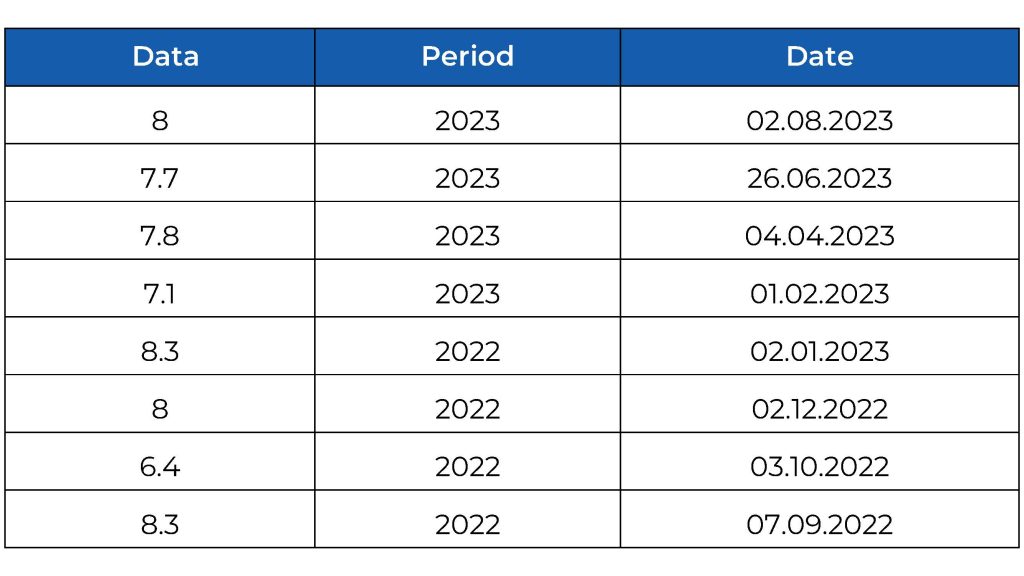 Source: International Labour Organisation
Key factors contributing to India’s joblessness
- Population growth vs. job creation
- Quality of education
- Skill gap
- Job mismatch
- Economic slowdown
- Preference for government jobs
Why is educated unemployment a peculiar problem in India?
Educated unemployment is often regarded as a peculiar problem in India. This issue reflects the challenges faced by well-educated individuals in securing suitable employment opportunities, prompting a closer examination of its unique dynamics within the Indian context. This issue is characterised by several noteworthy factors that set it apart from other unemployment scenarios:
- Overqualified: Many educated individuals in India find themselves overqualified for the limited job opportunities available in the job market.
- Underemployment: A concerning aspect of today’s labour force. Despite acquiring higher education and qualifications, many individuals find themselves in jobs that only partially utilise their skills and expertise.
- Societal stigma: Indian society often attaches a stigma to an individual without a job, especially among educated youth.
Festive season, a temporary relief to unemployment
India experiences an annual phenomenon known as ‘festive hiring’. India is known for its various festivals, and these celebrations play a unique role in the country’s job market. Businesses, particularly in retail and e-commerce, hire temporary workers to handle the surge in demand during the festive season.
- Temporary relief: Festive hiring provides a temporary reprieve to some unemployed individuals. They can secure short-term employment during festivals, earning income to support themselves and their families.
- Not a permanent solution: Festive hiring is not a sustainable solution to the larger problem. These jobs are often low-paying, lack job security, and are limited to the duration of the festive season.
- Skilled workforce, menial jobs: Festive hiring often involves employing individuals with higher education in roles requiring minimal skills. This situation further highlights the mismatch between qualifications and job opportunities.
- Festive hiring is cyclical. The rest of the year, individuals continue to struggle to find stable, well-paying employment.
Thus, festive hiring can provide only a temporary job respite, even if it doesn’t entirely alleviate the broader issue.
Policies and strategies
Unemployment in India is a multifaceted problem deeply rooted in factors like population size, the education system, and economic fluctuations. To tackle this challenge effectively, India needs comprehensive reforms in its education system, strengthened social safety nets, increased focus on skill development, and sustained economic growth that generates quality jobs year-round.
Government initiatives such as the PLI scheme and Make in India have created momentum for the creation of new job possibilities in all industries. The Pradhan Mantri Rojgar Protsahan Yojana (PMRPY) is anticipated to generate new jobs and encourage employers to support formal employment. Other sectors, such as hospitality and tourism, FMCG, healthcare & pharmaceuticals, renewables, automobile companies with an electric vehicle presence, oil & energy, and infrastructure-related sectors such as steel, engineering, and chemicals, are anticipated to drive white-collar employment.
Furthermore, the Indian government has implemented various initiatives to boost employment. The Skill India campaign, for instance, seeks to equip individuals with the skills needed to enhance their employability. Additionally, various staffing solution-providing firms act as a bridge connecting job seekers with employers across diverse sectors and industries. These concerted efforts, coupled with the nation’s economic resurgence, are poised to improve the employment landscape in India in the foreseeable future. Moreover, digital transformation, automation, IoT, and 5G are expected to open doors to a plethora of roles. We have published an extensive article covering opportunities in the field of telecom jobs, and you may find it engaging: Telecom sector in India: Enhancing opportunities in telecom jobs.
Unemployment remains a unique challenge in India’s employment landscape, requiring multifaceted solutions. While festive hiring provides a temporary job respite, addressing this issue’s root causes is of utmost importance. Addressing job scarcity is not just an economic imperative but also a social and humanitarian responsibility, as it impacts the well-being and future prospects of millions of individuals and families.
At TeamLease, we are committed to our mission of ‘Putting India to Work.’ This mission drives us to invest in education, skill development, and entrepreneurship and foster collaboration between academia and industry. Our relentless efforts are geared towards reducing educated unemployment and ensuring that India’s skilled and educated workforce finds meaningful and fulfilling employment opportunities year-round. Additionally, we strive to enhance the ease of doing business to create an environment conducive to job creation and economic growth.
Contact us to discuss how we can partner in addressing the challenges of unemployment and creating a more prosperous India.
Author
Latest Blogs
Retail Staffing and Recruitment Challenges in India
India's retail sector is undergoing a period of rapid transformation. Driven by rising consumer spending, the expansion of organized retail, omnichannel business models, and growing...
Read MoreCombat Employee Turnover with Predictive AI
Employee attrition has become one of the biggest workforce challenges for modern businesses. It impacts productivity, hiring costs, and long-term growth. Traditional retention strategies often...
Read MoreFuture of Work: Upskilling and Reskilling in the AI Era
The acceleration of artificial intelligence is reshaping labor markets at a pace that conventional education and workforce systems struggle to match. This is not merely...
Read MoreHiring Trends 2026: Workforce Solutions for Recruitment Challenges
India’s labour market in 2026 is undergoing a structural shift. While economic expansion, digital transformation, and AI adoption are accelerating hiring demand, employers continue to...
Read MoreTalent Management Strategy 2026: Skills-First Future-Ready Workforces
Talent management strategy is undergoing a fundamental shift as organizations move beyond traditional hiring models toward building agile, skills-driven workforces. Rapid technological change, AI-led disruption,...
Read MoreTransforming the BFSI Sector through Upskilling and Reskilling

The Banking, Financial Services, and Insurance (BFSI) industry is essential to the Indian economy. It plays a key role in driving economic growth, ensuring financial security, and providing jobs. It mirrors broader economic trends and often bears the impact of economic fluctuations.
From FY16 to FY22, bank credit showed a compound annual growth rate (CAGR) of 8.5–9.5%, reaching $1,532.31 billion by FY22. Deposits also grew steadily at a CAGR of 10.92%, reaching $2.12 trillion by FY22, reflecting the sector’s consistent growth.
BFSI: Building the Indian Economy
The BFSI sector has contributed to economic growth and expanded financial inclusion, covering 230 million lives in India. This reflects its commitment to promoting financial access and economic growth through initiatives like the Pradhan Mantri Jan Dhan Yojana (PMJDY).
Investments of $9.7 billion in BFSI and other sectors make it appealing for investors. Private equity and venture capital investments allocated 18% to this. In November 2022, there was a strong demand for credit in different areas. The sector is helping the economy and providing funding for many industries and services in the country.
India is committed to expanding digital transactions in the Indian economy, thereby improving the quality and vitality of the financial sector and the citizens’ quality of life. Digital payment transactions have increased considerably as a consequence of the coordinated efforts of the government as a whole and all stakeholders, from 2,071 crore in FY 17 – 18 to 8,840 Crore in FY 21 – 22.
Retail loans have been a major contributor to BFSI in recent years. Retail loans grew at a compound annual growth rate (CAGR) of 24.8 percent from March 2021 to March 2023, nearly double the CAGR of 13.8 percent for gross advances during the same period.
Navigating the Current Landscape of L&D in BFSI
The BFSI sector understands the significance of Learning and Development (L&D) programs. These programs are crucial for filling skill gaps, meeting expectations, and meeting customer expectations. Customer demands in the BFSI sector are frequently shifting. Today’s customers expect seamless digital experiences, personalized services, and rapid problem resolution. L&D programs must adapt and align with changing customer requirements to meet these expectations. This includes training employees in customer-centric skills, improving communication, and fostering a culture of responsiveness and innovation.
Opportunities for Upskilling and Reskilling in BFSI
The BFSI sector is changing quickly because of technology, customer preferences, and regulations. This dynamic environment presents numerous opportunities for upskilling and reskilling within the industry. Banking, finance, insurance, and investment professionals can benefit from learning digital skills. They can also benefit from learning about data analysis for better decision-making and customer interaction.
Cybersecurity expertise is also in high demand as the sector faces growing threats. Moreover, with the rise of fintech and blockchain, employees can explore opportunities to learn about these disruptive technologies. Soft skills like communication, adaptability, and problem-solving are essential for providing exceptional customer experiences and navigating the sector’s complexities.
Continuous learning and development are crucial for BFSI to stay competitive and meet customers’ evolving needs in this ever-changing work landscape. Learning new skills is important for both individuals and organizations in the BFSI sector to stay innovative and strong.
Strategies to Upgrade BFSI Talent Pool through Upskilling and Reskilling
- L&D programs use technology to provide training to BFSI professionals for niche roles. This includes interactive story-based learning, scenario-based e-learning platforms, virtual classrooms, and gamification.
- Gamification can significantly increase employee engagement in L&D programs in the BFSI sector. Turning training modules into interactive and enjoyable experiences can improve completion rates and enhance learning outcomes.
- Leaderboards, scoring, badges, and levels motivate learners. They engage in problem-solving and remember information. This helps them apply what they’ve learned in their jobs.
- Another critical benefit of gamification is its ability to provide companies with real-time and actionable data. This data helps organisations track employee progress and find areas for improvement, making data-driven decisions to improve training programs.
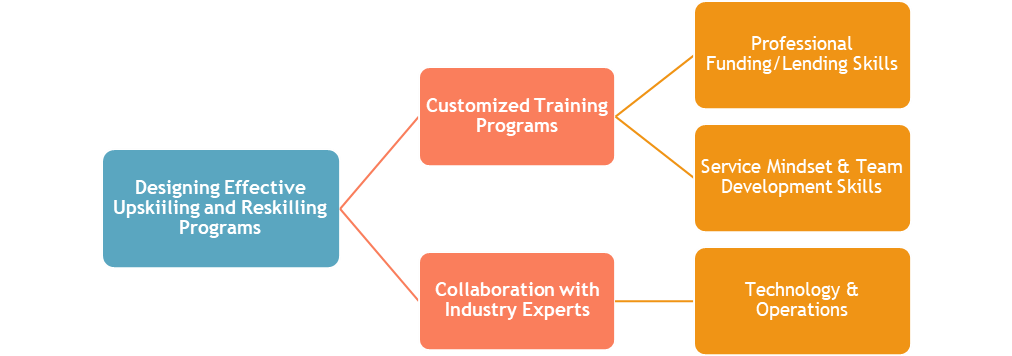
Driving Success: The Positive Impact of Upskilling and Reskilling in BFSI
Employee Retention: Continuous upskilling and professional development significantly impact employee retention. A good learning culture helps keep employees engaged. Investing in L&D is important for this.
In-demand skills: Software development, IT banking, insurance expertise, and financial analysis are needed by employers. L&D can significantly contribute to developing these skills.
Employer Brand Development: L&D results improve a business’s brand, allowing it to attract and keep top talent, increase employee involvement, and, in the end, boost efficiency and performance.
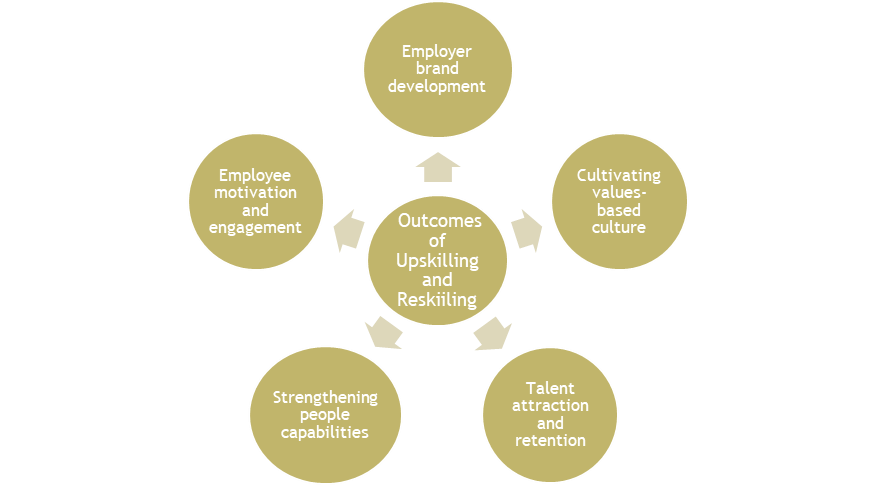
Conclusion
The Banking, Financial Services, and Insurance (BFSI) sector stands out as a strong base in the complex Indian economy. It supports economic growth, financial security, and job possibilities. The statistics for the last five years underline its unwavering growth trajectory, with bank credit and deposits witnessing substantial expansion.
To keep growing and adapting to changes in the BFSI sector, L&D programs are necessary. These programs must adapt to meet the evolving needs of both customers and employees. This includes upskilling and reskilling initiatives that empower professionals with digital literacy, data analytics, cybersecurity, and soft skills.
The positive impact of upskilling and reskilling in BFSI is far-reaching. It leads to improved employee retention, specialised skill development, and an organisation’s employer brand enhancement.
BFSI companies can become industry leaders by investing in their workforce. They can also drive innovation and ensure financial inclusion and stability for millions in India. Continuous learning and development are crucial for the BFSI sector’s success in the ever-changing business era.
Author

Latest Blogs
Retail Staffing and Recruitment Challenges in India
India's retail sector is undergoing a period of rapid transformation. Driven by rising consumer spending, the expansion of organized retail, omnichannel business models, and growing...
Read MoreCombat Employee Turnover with Predictive AI
Employee attrition has become one of the biggest workforce challenges for modern businesses. It impacts productivity, hiring costs, and long-term growth. Traditional retention strategies often...
Read MoreFuture of Work: Upskilling and Reskilling in the AI Era
The acceleration of artificial intelligence is reshaping labor markets at a pace that conventional education and workforce systems struggle to match. This is not merely...
Read MoreHiring Trends 2026: Workforce Solutions for Recruitment Challenges
India’s labour market in 2026 is undergoing a structural shift. While economic expansion, digital transformation, and AI adoption are accelerating hiring demand, employers continue to...
Read MoreTalent Management Strategy 2026: Skills-First Future-Ready Workforces
Talent management strategy is undergoing a fundamental shift as organizations move beyond traditional hiring models toward building agile, skills-driven workforces. Rapid technological change, AI-led disruption,...
Read MoreTelecom sector in India: Enhancing opportunities in telecom jobs

The Telecom sector in India is the second largest in the world, with a subscriber base of 1.17 billion as of September 2022 (wireless + wireline subscribers).
The Telecom Sector in India is expected to witness fast growth in the next few years. The synergy between IoT and 5G is not only changing how we celebrate but also how we work. Festive hiring is opening doors to a plethora of roles, ranging from network engineers and data analysts to cybersecurity experts. Network engineers are instrumental in designing the architecture for 5G networks, ensuring a consistent and reliable connection. Data analysts are in high demand to decipher the massive influx of data generated by IoT devices. The Telecom Regulatory Authority of India (TRAI) reports reveal that the months leading up to the festive season have witnessed a notable uptick in telecom jobs. Simultaneously, cybersecurity experts are needed to safeguard this intricate network of connected devices against potential threats. The Government of India also plans to auction the 5G spectrum in bands like 3,300 MHz and 3,400 MHz to promote initiatives like the Internet of Things (IoT), machine-to-machine communications, instant high-definition video transfer, as well as its Smart Cities initiative. The Indian mobile phone industry anticipates that the increase in battery charger production by the Indian government will result in the establishment of 365 factories and the creation of 800,000 jobs by 2025.
The introduction of 5G report by TeamLease with its promise of enhanced connectivity and reduced latency, is one such initiative that will have a cascading effect on various economic facets. It will contribute to enhancing the quality of work and promoting the talent development of the entire workforce. Expanding coverage to remote areas and enhancing the user experience with augmented reality and virtual reality technologies will have an impact on multiple other industries, including healthcare, agriculture, education, and disaster management, resulting in the creation of jobs and the widening of the urban-rural divide. 5G will also enable the development of new IoT-powered services and products, which will in turn drive the development of new business models. The rise of IoT will create entirely new job roles and opportunities. For example, IoT architects, data scientists, IoT security specialists, and connectivity experts will become sought-after positions in various industries. Additionally, it will revolutionise the transportation and mobility industries and enable remote working models. Adoption of new 5G-enabled technologies in the manufacturing sector will increase productivity, decrease downtime, reduce waste, and thus control costs. The Telecom Regulatory Authority of India has encouraged telecom operators to share infrastructure like towers and fiber networks to reduce duplication and improve cost-efficiency. It will also facilitate the development of smart structures and smart cities, which will have a substantial effect on security and surveillance. India Inc. must imitate the telecom industry’s 5G deployment model by embracing new technologies, implementing talent development, and expanding the scope of work beyond urban centers.
Telecom Regulatory Authority of India conducts regular consultations with stakeholders and issues recommendations on various aspects of the telecom industry, seeking to align regulations with industry needs and technological advancements.
From network engineers to cybersecurity experts, telecom jobs in India are buzzing with opportunities. Moreover, the surge in e-commerce, digital payment systems, and remote work has further boosted the demand for robust telecom infrastructure. This translates to a growing need for professionals who can design, build, and maintain the networks that keep our digitally interconnected world functioning smoothly. It is estimated that over the next five years, an increase in mobile-phone penetration and a decrease in data costs will add 500 million new Internet users to India, creating opportunities for new businesses comprising from online insurance coverage to online food delivery. India will require a 22 million skilled workforce by 2025 to operate hardware, software-defined networks, computer data, and manufacturing in 5G-centric technologies such as the Internet of Things (IoT), Artificial Intelligence (AI), robotics, and the cloud. The increase in daily subscribers, along with the creation of new jobs and business opportunities, encourages investment in this sector. As India inches towards becoming a global digital leader, the telecom sector stands at the heart of this transformation. This presents an exciting opportunity for individuals to contribute to India’s digital journey while carving out rewarding career paths in the dynamic realm of telecommunications.
Author
Latest Blogs
Retail Staffing and Recruitment Challenges in India
India's retail sector is undergoing a period of rapid transformation. Driven by rising consumer spending, the expansion of organized retail, omnichannel business models, and growing...
Read MoreCombat Employee Turnover with Predictive AI
Employee attrition has become one of the biggest workforce challenges for modern businesses. It impacts productivity, hiring costs, and long-term growth. Traditional retention strategies often...
Read MoreFuture of Work: Upskilling and Reskilling in the AI Era
The acceleration of artificial intelligence is reshaping labor markets at a pace that conventional education and workforce systems struggle to match. This is not merely...
Read MoreHiring Trends 2026: Workforce Solutions for Recruitment Challenges
India’s labour market in 2026 is undergoing a structural shift. While economic expansion, digital transformation, and AI adoption are accelerating hiring demand, employers continue to...
Read MoreTalent Management Strategy 2026: Skills-First Future-Ready Workforces
Talent management strategy is undergoing a fundamental shift as organizations move beyond traditional hiring models toward building agile, skills-driven workforces. Rapid technological change, AI-led disruption,...
Read MoreHow are D2C brands in India defining the future of retail?

D2C (Direct-to-Consumer) trends have profoundly reshaped the retail industry, upending conventional sales avenues and presenting fresh avenues for brands to connect directly with consumers. This shift, driven by competitive pricing, seamless delivery choices, and enhanced customer experiences, enables brands to sidestep traditional retail intermediaries and directly vend their goods to online shoppers. This fosters swift communication and facilitates direct engagement with the clientele.
India has the third-largest digital shopping base in the world, with more than 190 million internet users. More than 600 direct-to-consumer (D2C) brands already exist in the country. Bain & Company predict that by 2027, India’s retail market will be worth between $150 and $170 billion. And a sizeable portion of that expansion is attributable to direct-to-consumer (D2C) companies. The D2C fashion and beauty industry is the most lucrative.
Beauty & Personal Care Companies Growing:
In recent years, the value of the cosmetics market worldwide has increased and is expected to continue growing and is poised to change the future of retail. The market was projected to be about 131 billion U.S. dollars by 2026. The cosmetics business has weathered tough times, and looks like it will be even more robust. The tremendous technological acceleration of the industry in 2023 will make it unlike any other year before it. The trend in this sector is toward more openness and diversity.
Some of the D2C space for Cosmetics & Beauty Business:
One of India’s leading E-commerce platforms for Beauty Products began as a beauty marketplace and has expanded to become a significant player in the Indian e-commerce sector. The online store has expanded beyond cosmetics, entering the fashion industry, introducing private label products across various lifestyle categories, and preparing to enter international markets.
The leading e-commerce platform in the Indian beauty industry has consistently impressed observers with its rapid expansion. The fashion entity of this company struggles to maintain its current market share in the face of rising competition from well-funded rivals.
Even now, it is one of the few successful startups. However, its parent company reported a 71% decline in net profit to 8.5 crore in the December quarter of 2022-23 compared to the same period a year earlier. Its margins were eaten up by the cost of renting shops, offices, and warehouses. Positively, profits increased by 63% from the previous quarter, which ended in September.
One of India’s biggest Department store chain’s fourth quarter consolidated revenue was Rs 923.90 crore, a growth of 29% from the same period in the previous fiscal year. In addition to opening 12 new beauty locations and renovating five others, it has secured exclusive distribution for 15 cosmetics lines. This company also announced additional investment in its Global Beauty Brands subsidiary of up to Rs. 25 Crores in one or more tranches.
TATA Group’s E-commerce platform, founded in 2016, has recently raised Rs 1,600 crore. The platform’s strategic focus is on expanding its customer reach within tier 2 and 3 cities, where there has been a notable increase in demand. Simultaneously, the platform anticipates sustained growth within tier 1 and metro cities, consequently leading to a significant uptick in hiring activities.
India’s second-highest-valued startup in cosmetics experienced a notable growth of 71.6% in its revenue from operations, which increased from Rs 128.15 crore in FY21 to Rs 219.88 crore. These figures are based on the company’s consolidated financial statements submitted to the Registrar of Companies. Aside from its online sales platform, it manages a network of over ten offline stores across India, including prominent cities such as Mumbai, Pune, and Bangalore. This expansion trajectory consequently results in the recruitment of an increased workforce.
An omnichannel beauty retailer launched in 2023 could become a formidable rival to all the above-mentioned E-commerce spaces. It opened a second store in India after the success of its first location on Jio World Drive in April by moving into the Infinity Mall in Malad. Now its store model could be expanded to as many as one hundred Indian cities with local variations. This expansion plan is expected to result in a substantial augmentation of the workforce.
New Companies are entering this space
India’s personal care and cosmetics industry shows annual growth of 3.86 percent and year-over-year volume growth of 143 percent defining the future of retail sector in India. The market is predicted to top $100 billion globally in 2023. Countless new cosmetics companies have appeared, and manufacturers now employ a dizzying array of novel ingredients in their concoctions. Various online platforms offer a wide range of beauty products directly to consumers. However, these products are predominantly sold in retail stores.
Impact on the workforce with a rising retail market
The cosmetics and beauty retail industry is experiencing a substantial 35-50% increase in demand for beauty advisers, sales personnel, and beauticians. This growth surge transforms consumer preferences and creates a cascade of job opportunities across various sectors.
Retail stores are at the forefront, offering roles ranging from sales associates to beauty advisers, catering to personalised shopping experiences. Distribution centres are also booming, demanding logistics, inventory management, and supply chain optimisation experts to keep products flowing smoothly.
The digital landscape is evolving, too, with e-commerce operations requiring professionals skilled in customer service, digital marketing, and online sales management. Blue-collar workers are essential, handling tasks like stocking shelves, arranging displays, and maintaining store operations. Warehouse and delivery services are adjusting to increased demand, opening up roles in warehouse management and efficient last-mile delivery. As the industry expands, these diverse job opportunities are shaping the future of the job market, offering a range of careers for various skill sets.
Author

Latest Blogs
Retail Staffing and Recruitment Challenges in India
India's retail sector is undergoing a period of rapid transformation. Driven by rising consumer spending, the expansion of organized retail, omnichannel business models, and growing...
Read MoreCombat Employee Turnover with Predictive AI
Employee attrition has become one of the biggest workforce challenges for modern businesses. It impacts productivity, hiring costs, and long-term growth. Traditional retention strategies often...
Read MoreFuture of Work: Upskilling and Reskilling in the AI Era
The acceleration of artificial intelligence is reshaping labor markets at a pace that conventional education and workforce systems struggle to match. This is not merely...
Read MoreHiring Trends 2026: Workforce Solutions for Recruitment Challenges
India’s labour market in 2026 is undergoing a structural shift. While economic expansion, digital transformation, and AI adoption are accelerating hiring demand, employers continue to...
Read MoreTalent Management Strategy 2026: Skills-First Future-Ready Workforces
Talent management strategy is undergoing a fundamental shift as organizations move beyond traditional hiring models toward building agile, skills-driven workforces. Rapid technological change, AI-led disruption,...
Read More7 Typical Challenges in Volume Hiring and How to Master it!

As festivities unfold, organisations often resort to volume hiring to meet the seasonal demands. Fueled by digital progress, India’s retail industry targets a massive 1.5 trillion dollars by FY2030. This growth is set to create over 25 million job opportunities, with non-metro cities bustling due to online sales during festivities. The surge has intensified the need for temporary jobs, especially in non-metropolitan regions. Projections also indicate that India’s e-commerce industry will create an additional 700,000 additional jobs into the market. These roles, tailored to meet the demands of the digital age, hold immense promise for enthusiastic candidates ready to embrace the future of work.
As we delve into the intricate relationship between industry growth, seasonal dynamics, and employment trends, volume hiring presents a unique set of hurdles that organisations must navigate judiciously to ensure the seamless integration of new employees. Understanding its complexities, analysing challenges, and unveiling strategies to overcome them are vital for driving growth and success in talent acquisition.
Cruising the complexities of volume hiring challenges
- Slow-hiring: Slow hiring time can negatively impact your candidate experience and damage your employer brand, decreasing the number and quality of the applications you receive.
- Misaligned expectations: This can eventually lead to early attrition; a hasty recruitment process makes it impossible for companies to share their employer value proposition, or EVP, a vital element in selling the job and persuading candidates to choose your organisation over others.
- Quality-Quantity Balance: Striking the right balance between hiring many candidates while maintaining high-quality standards is a constant challenge.
- Multi-location requirement: In multi-location businesses where recruitment is decentralised, location managers are tasked to employ new staff. With this approach, the head office has yet to learn how local managers hire people. Manual hiring processes can stretch hiring time up to weeks. With such long waiting times, applicants will reject the job offer and go for the competitor.
- Candidate Engagement: Maintaining meaningful interactions and engagement with a high volume of candidates can be difficult, affecting the candidate experience.
- Consistency in Evaluation: Ensuring consistent and fair evaluation of many candidates becomes complex, potentially leading to biassed or uneven selections.
- Analysis paralysis: Volume hiring may lead to HR – analysis – paralysis with candidate overload, causing delays and hampering effective talent acquisition by challenging quality-speed balance.
Effective strategies for smooth volume hiring
- Technology Integration: Embracing technology, such as Applicant Tracking Systems (ATS), streamlines mass hiring. ATS manages candidate data, automates communication, and centralises team collaboration.
- Data-Driven Decisions: Data analytics identifies candidate trends, improving hiring choices and reducing turnover for higher-quality hires.
- Pre-Employment Assessments: Pre-employment assessments filter unqualified candidates tailored for blue-collar skills and attributes.
- Virtual Hiring Events: Virtual career fairs expedite hiring, allowing connecting with many candidates at once, enhancing the candidate experience, and offering initial screening.
- Collaborative Hiring: Engaging hiring managers and team members distributes workload, ensures fair candidate evaluation, mitigates biases, and boosts hire quality.
- Automated Communications: Implementing automated tools like chatbots improves the candidate experience by offering updates and answers from application to onboarding.
- Diversity and Inclusion Initiatives: Promoting diversity by training hiring teams and setting diversity targets, can help create a more inclusive workforce.
- Onboarding Efficiency: Developing structured onboarding speeds new-hire integration and boosts productivity.
- Upskilling: Amidst swift technological advances and industrial shifts, upskilling becomes crucial. Evolving industries require the workforce to adapt, making upskilling the vital link between skilled labour demand and the available workforce.
- Apprenticeship: Apprenticeship programs offer a potent solution for closing skill gaps. Through hands-on training and mentorship, individuals gain practical expertise and confidence, fostering a strong sense of unity among workers. Aspiring artisans, mechanics, and craftsmen benefit immensely from this direct route to mastering their chosen trades.
Key trends & pay dynamics for bulk workforce strategy
Amidst evolving industries, exploring the Jobs and Primer Salary Report FY 2022-23 report can provide invaluable insights and guidance. This report not only helps businesses navigate the complexities of bulk hiring and competitive compensation in an evolving job market but also holds special relevance for temporary job recruitment.
Way forward
While the scarcity of skilled labour can pose challenges, temp workers offer a solution to the surges in seasonal demands that organisations often encounter. Overcoming the talent acquisition challenges of bulk recruitment for junior and entry-level positions requires innovative approaches beyond traditional strategies. Not just e-commerce, but various industries are witnessing steady growth and demand this festive season as BSFI sector is projecting about 50 000 people to get jobs in the coming festive season, and phone manufacturing is expecting 40,000-60,000 direct jobs pan India by March 2024. As the demand surges, and so thus the competition for hooking skilled workforces. Thus, to cruise through large-scale staffing demands and unique strategies by leveraging skilling-upskilling programs, technology, data-driven insights, and innovative approaches to candidate engagement, organisations can effectively navigate the complexities of recruiting in volume hiring.
Ready to transform your hiring strategies? Check how TeamLease supports addressing volume hiring challenges. Contact Us Today!
Author
Latest Blogs
Retail Staffing and Recruitment Challenges in India
India's retail sector is undergoing a period of rapid transformation. Driven by rising consumer spending, the expansion of organized retail, omnichannel business models, and growing...
Read MoreCombat Employee Turnover with Predictive AI
Employee attrition has become one of the biggest workforce challenges for modern businesses. It impacts productivity, hiring costs, and long-term growth. Traditional retention strategies often...
Read MoreFuture of Work: Upskilling and Reskilling in the AI Era
The acceleration of artificial intelligence is reshaping labor markets at a pace that conventional education and workforce systems struggle to match. This is not merely...
Read MoreHiring Trends 2026: Workforce Solutions for Recruitment Challenges
India’s labour market in 2026 is undergoing a structural shift. While economic expansion, digital transformation, and AI adoption are accelerating hiring demand, employers continue to...
Read MoreTalent Management Strategy 2026: Skills-First Future-Ready Workforces
Talent management strategy is undergoing a fundamental shift as organizations move beyond traditional hiring models toward building agile, skills-driven workforces. Rapid technological change, AI-led disruption,...
Read MoreHow does 5g technology enhance the internet of things

The Internet of Things (IoT) is revolutionizing the way we interact with 5G technology and the world around us. IoT refers to the interconnection of various devices, sensors, and objects through the internet, allowing them to collect and exchange data.
How does 5g technology enhance the internet of things represents a groundbreaking advancement in the realm of connectivity and communication. 5G, the fifth generation of wireless technology, offers unprecedented speed, capacity, and reliability, while IoT interconnects billions of smart devices, sensors, and objects. The integration of these two transformative technologies unleashes a host of opportunities, revolutionizing industries, improving efficiency, and elevating the overall user experience. From smart home appliances to industrial machinery, IoT applications has the potential to transform industries, improve efficiency, and enhance our daily lives. However, as IoT adoption continues to expand, it also brings about significant implications on the job landscape. In this blog, we will explore the concept of IoT, its implications, and how it impacts the job market.
Understanding IoT and its Advantages
IoT is built on the idea of connecting everyday objects to the internet, enabling them to communicate and interact with each other autonomously. This interconnectedness offers several advantages:
Enhanced Efficiency: IoT devices can gather and analyze received data, leading to better decision-making and improved efficiency in various processes, from supply chain management to energy consumption.
Improved Safety and Monitoring: IoT-enabled devices can monitor and detect changes in their environment, promoting safer operations in industries like healthcare, transportation, and manufacturing.
Enhanced User Experience: IoT devices create a seamless user experience by automating tasks, predicting user preferences, and providing personalized services.
Cost Reduction: IoT can help organizations optimize resource utilization, reduce downtime, and minimize maintenance costs, leading to substantial savings. IoT can also extend battery life in devices through smart energy management.
Implications of IoT on the Job Market
5G: Powering the Next Generation of Transportation
The advent of 5G technology brings ultra-fast and reliable connectivity, enabling real-time communication and data exchange between vehicles, infrastructure, and pedestrians. With low latency and high data transfer speeds, 5G enhances IoT capabilities in mobility and safety, 5G accelerates the deployment of autonomous vehicles, advanced driver-assistance systems (ADAS), and smart traffic management. It is estimated that by 2025, 5G-enabled transportation will account for over 20% of all 5G and IoT device deployments, according to GSMA. The increased data transfer speeds allow devices to send and receive data with minimal delay, ensuring split-second decisions on the road.
Increased Demand for Technical Skills: As IoT adoption grows, there will be a higher demand for professionals with expertise in IoT development, data analytics, cybersecurity, cloud computing, and artificial intelligence. Companies will need skilled talent to design, develop, and manage IoT devices and networks.
Emergence of New Job Roles: The rise of IoT will create entirely new job roles and opportunities. We’re seeing new positions like IoT security specialists, connectivity experts, and 5G integration engineers. These roles are key to deploying and managing generation of cellular network technology systems.
Focus on Cybersecurity: With the increasing number of connected devices, the risk of cyber threats and data breaches also rises. Organisations will need cybersecurity experts to protect real-time data and their IoT networks as well as safeguard sensitive information.
Adaptation of Existing Roles: Existing job roles will also evolve to incorporate IoT skills and knowledge. Professionals in fields like manufacturing, logistics, and healthcare will need to upskill to leverage IoT technologies effectively.
Changing Skill Requirements: As IoT technologies advance, traditional job roles may require additional technical competencies. Employees will need to engage in continuous learning to remain competitive in the job market.
The Internet of Things is a transformative force redefining industries and everyday life. Paired with 5G networks, its potential multiplies. With faster data transfer, longer battery life, and seamless real-time data capabilities, 5G and IoT together are unlocking new frontiers—from smart homes and autonomous cars to next-gen healthcare and intelligent cities. Meanwhile, professionals must embrace the opportunities offered by IoT and invest in upskilling to stay relevant in a rapidly changing job market.
The report by TeamLease on 5G technology and the Internet of Things heralds a new era of connectivity and communication. 5G’s ultra-fast speeds, high capacity, and low latency empower IoT to thrive and revolutionize industries ranging from healthcare and manufacturing to transportation and smart cities. As 5G continues to roll out globally, the true potential of the IoT-5G partnership will unfold, creating a future where everything is interconnected, intelligent, and enabled to drive innovation and improve lives.
Author
Latest Blogs
Retail Staffing and Recruitment Challenges in India
India's retail sector is undergoing a period of rapid transformation. Driven by rising consumer spending, the expansion of organized retail, omnichannel business models, and growing...
Read MoreCombat Employee Turnover with Predictive AI
Employee attrition has become one of the biggest workforce challenges for modern businesses. It impacts productivity, hiring costs, and long-term growth. Traditional retention strategies often...
Read MoreFuture of Work: Upskilling and Reskilling in the AI Era
The acceleration of artificial intelligence is reshaping labor markets at a pace that conventional education and workforce systems struggle to match. This is not merely...
Read MoreHiring Trends 2026: Workforce Solutions for Recruitment Challenges
India’s labour market in 2026 is undergoing a structural shift. While economic expansion, digital transformation, and AI adoption are accelerating hiring demand, employers continue to...
Read MoreTalent Management Strategy 2026: Skills-First Future-Ready Workforces
Talent management strategy is undergoing a fundamental shift as organizations move beyond traditional hiring models toward building agile, skills-driven workforces. Rapid technological change, AI-led disruption,...
Read MoreHow the Digital Revolution is Changing the Hiring Landscape

Digital revolution has opened boundless job opportunities, transforming how employers and job seekers connect. Digitisation remains a top priority for over 2,000 staffing professionals, as highlighted in this year’s Global Recruitment Insights and Data (GRID) Industry Trends Report. Beyond a mere buzzword, it is essential for achieving long-term, sustainable growth. As projected by NASSCOM, the IT industry body, the Indian technology sector would experience a growth rate of 8.4% during FY 2023, reaching a market size of $245 billion, driven by digital transformation and rising demand for skilled professionals. Addressing challenges and equipping the workforce with digital skills is vital.
According to TeamLease Jobs and Salaries Primer Report FY 2022-23, the demand for Sales and IT roles remains high as businesses continue to prioritise these functions for growth and digitisation initiatives. Additionally, the Agriculture and Agrochemicals industry has undergone significant digital transformation, translating into a slew of hot jobs that pay handsomely.
Digital revolution is reshaping recruitment practices
Streamlined talent acquisition: Digital transformation has streamlined the process of finding and hiring talent. Online job boards, social media platforms, and professional networking sites have become powerful tools for recruiters to connect with potential candidates, enabling them to reach a wider audience and identify candidates with specific skill sets more efficiently.
Better talent pool management: Digital tools and platforms help maintain and manage talent pools more effectively. It helps recruiters keep track of candidate preferences, skills, and availability, allowing for faster and more accurate candidate matching in the future.
AI-powered candidate screening: AI and machine learning algorithms have been integrated into applicant tracking systems (ATS) to automate the initial screening process. This helps in filtering through large volumes of resumes and identifying the most suitable candidates based on predefined criteria, saving time and effort for recruiters.
Enhanced candidate experience: Digital transformation has improved the overall candidate experience. The use of digital communication tools, such as chatbots, email, and video conferencing, has made it easier for recruiters to engage with candidates throughout the hiring process, providing timely updates and feedback.
Remote hiring and onboarding: COVID-19 pandemic accelerated the adoption of remote hiring and onboarding processes. Digital tools and platforms enable recruiters to conduct virtual interviews and assess candidates’ skills effectively, even if they are located in different parts of the world.
Data-driven insights: Collecting and analysing vast amounts of data related to talent acquisition and hiring processes has been enabled through digital transformation. These data-driven insights help recruiters make more informed decisions, identify areas for improvement, and optimise recruitment strategies.
Skills assessment and testing: Digital tools have made it easier to conduct skills assessments and testing, allowing recruiters to gauge a candidate’s abilities accurately and objectively. Online skill assessment platforms offer a wide range of tests, from technical skills to cognitive abilities.
Automation of administrative tasks: Digital transformation has automated many administrative tasks involved in the staffing process, such as document management, contract generation, and background checks. This allows recruiters to focus more on strategic tasks and building relationships with candidates and clients.
Improved employee engagement: For companies, digital transformation has extended beyond the hiring process. It has also improved employee engagement and productivity within the organisation. Tools like collaboration software, project management platforms, and HR analytics enable better team communication and performance monitoring.
Personalised learning and development: Digital revolution has facilitated the delivery of personalised learning and development programs for temporary and contract workers. This enhances their skills and makes them more marketable in the evolving job market.
Overall, leveraging technology enhances process efficiency, cost reduction, and quality, leading to a more effective on-boarding experience. Digitisation or digital revolution has undoubtedly brought about significant benefits and opportunities like streamlined processes, fast hiring, and augmented access to talent pools, opportunities for improved efficiency and cost-effectiveness. However, it also comes with its fair share of challenges that job seekers and employers must navigate.
Unlock the power of workforce optimization with TeamLease! We specialise in innovative tech-driven solutions for temporary and contract staffing. Let’s collaborate for a sustainable future of work. Contact us now!
Author
Latest Blogs
Retail Staffing and Recruitment Challenges in India
India's retail sector is undergoing a period of rapid transformation. Driven by rising consumer spending, the expansion of organized retail, omnichannel business models, and growing...
Read MoreCombat Employee Turnover with Predictive AI
Employee attrition has become one of the biggest workforce challenges for modern businesses. It impacts productivity, hiring costs, and long-term growth. Traditional retention strategies often...
Read MoreFuture of Work: Upskilling and Reskilling in the AI Era
The acceleration of artificial intelligence is reshaping labor markets at a pace that conventional education and workforce systems struggle to match. This is not merely...
Read MoreHiring Trends 2026: Workforce Solutions for Recruitment Challenges
India’s labour market in 2026 is undergoing a structural shift. While economic expansion, digital transformation, and AI adoption are accelerating hiring demand, employers continue to...
Read MoreTalent Management Strategy 2026: Skills-First Future-Ready Workforces
Talent management strategy is undergoing a fundamental shift as organizations move beyond traditional hiring models toward building agile, skills-driven workforces. Rapid technological change, AI-led disruption,...
Read MoreRecruitment and Selection: Unveiling the Truth Behind Common Myths & Realities

HR is an organisation’s most misunderstood department, and its role goes beyond organising the Diwali rangoli competition. Recruitment and selection are vital processes for any organisation seeking to build a talented and productive workforce. Organisations are now increasingly realising the crucial role played by HR professionals in driving success. One of the most critical functions of HR is talent acquisition, where they act as the architects of an organisation.
The function of HR extends far beyond merely filling vacancies. It holds the power to shape an organisation’s culture, drive its growth, and impact its bottom line. A lot of effort goes into the process of hiring and sourcing candidates. Here are some of the vital functions of HR within an organisation.
Vital functions of HR
Workforce planning: HR is crucial in aligning recruitment efforts with the organisation’s overall strategic goals. By conducting thorough workforce planning, HR professionals anticipate future talent needs, identify skill gaps, and design recruitment strategies that ensure the availability of the right talent at the right time.
Employer branding: A strong employer brand is a magnet that attracts top talent. HR spearheads employer branding initiatives, crafting compelling narratives that highlight an organisation’s unique culture, values, and opportunities. By effectively showcasing the organisation’s strengths and differentiators, HR attracts candidates who resonate with the brand.
Sourcing and attracting talent: HR professionals utilise diverse sourcing channels and techniques to attract qualified candidates. From leveraging job boards and social media platforms to engaging in networking events and employee referrals, HR deploys a strategic blend of active and passive candidate sourcing to ensure a broad pool of talent.
HR professionals play a crucial role in blue-collar recruitment in collaboration with hiring managers and conduct interviews to assess candidates’ suitability for the roles. This involves conducting job analysis, designing job descriptions, and identifying the necessary skills and qualifications.
Compliance and regulations: In an organisation, especially in the staffing industry where bulk recruitment is done, HR is responsible for ensuring compliance with a series of regulations. From labour laws to health and safety regulations, HR professionals play a vital role in understanding and implementing these requirements. They develop policies, enforce procedures, educate employees on compliance, and uphold ethical and legal standards. By staying updated on regulatory changes and actively monitoring compliance, HR professionals foster a trustworthy, compliant, and ethical work environment while minimising organisational risks.
Common misconceptions about recruitment and selection
Common misconceptions about recruitment and selection often lead to misunderstandings and ineffective practices in hiring. These misconceptions include beliefs such as finding the perfect candidate is easy, HR being solely responsible for the process, and blue-collar recruitment being less challenging than white-collar recruitment. By debunking these myths and shedding light on the realities, HR professionals can gain valuable insights and develop effective strategies to attract and select the right talent for their organisations. Here are seven prevalent myths surrounding recruitment and selection.
Myth #1: Blue-collar recruitment is less complex than white-collar recruitment.
Reality: Blue-collar recruitment brings unique challenges, such as a wider talent pool, skill evaluation, and retention strategies, making it equally complex and demanding as white-collar recruitment. Think about it: manufacturing, construction, logistics, and other industries heavily rely on these skilled blue-collar workers to get the job done. They are the gears that keep the machine moving. Skill assessment is crucial for identifying candidates with the right expertise. Retention strategies, including a supportive work environment and growth opportunities, are critical to keeping blue-collar employees engaged. Balancing these complexities is essential for successful blue-collar recruitment and maximising organisational success.
Myth #2: All HR cares about are policies and procedures
Reality: HR ensures compliance with laws and regulations to protect employees and the business, among other responsibilities.
Myth #3: Online job portals are the only effective recruitment solution.
Reality: While online job portals are widely used, combining them with other channels like social media, employee referrals, and industry-specific platforms can enhance the reach and quality of candidates.
Myth #4: Hiring solely based on qualifications and experience guarantees success.
Reality: While qualifications and experience are necessary, cultural fit, attitude, and growth potential are equally vital for long-term success within an organisation.
Myth #5: HR functions end once the candidate is hired.
Reality: Effective onboarding, continuous training, and development programs are crucial to ensuring new hires’ successful integration and retention.
Myth #6: Recruitment and selection are cost centres.
Reality: Strategic hiring processes can result in significant cost savings through reduced turnover, increased productivity, and improved organisational performance.
Myth #7: The role of HR has little impact on employee engagement and retention.
Reality: An effective talent selection process focusing on employee fit and engagement significantly improves retention rates and overall job satisfaction.
Final notes
While recruitment and selection are essential HR functions, debunking some common misconceptions surrounding these processes is crucial. Streamlining the talent acquisition procedure is not about compromising quality or excluding diverse talent. Instead, it is about optimising procedures for efficiency, objectivity, and a positive candidate experience. Through technology integration, collaboration with hiring managers, and standardised methods, organisations can attract and retain top talent while making informed hiring decisions. Continuously evaluating and refining strategies to meet evolving market dynamics and candidate expectations is crucial. By debunking myths and embracing effective practices, organisations can build a strong workforce that propels success.
TeamLease is a specialised staffing firm, providing temp and contract staffing solutions. We serve across the country with our presence spread over 7500+ pin codes. To explore the crucial aspects of recruitment and selection within HR functions and access valuable insights and expertise in attracting top talent for your organisation contact us.
Author
Latest Blogs
Retail Staffing and Recruitment Challenges in India
India's retail sector is undergoing a period of rapid transformation. Driven by rising consumer spending, the expansion of organized retail, omnichannel business models, and growing...
Read MoreCombat Employee Turnover with Predictive AI
Employee attrition has become one of the biggest workforce challenges for modern businesses. It impacts productivity, hiring costs, and long-term growth. Traditional retention strategies often...
Read MoreFuture of Work: Upskilling and Reskilling in the AI Era
The acceleration of artificial intelligence is reshaping labor markets at a pace that conventional education and workforce systems struggle to match. This is not merely...
Read MoreHiring Trends 2026: Workforce Solutions for Recruitment Challenges
India’s labour market in 2026 is undergoing a structural shift. While economic expansion, digital transformation, and AI adoption are accelerating hiring demand, employers continue to...
Read MoreTalent Management Strategy 2026: Skills-First Future-Ready Workforces
Talent management strategy is undergoing a fundamental shift as organizations move beyond traditional hiring models toward building agile, skills-driven workforces. Rapid technological change, AI-led disruption,...
Read MoreHow to Reduce Unemployment in India: 7 Effective Strategies

How to reduce unemployment in India? Unemployment poses a formidable socio-economic challenge in India, as a vast number of individuals with employable skills strive to secure rewarding job opportunities. Addressing India’s unemployment challenge necessitates a collaborative effort. With the government spearheading policy interventions, the private sector driving job creation, and individuals equipping themselves with relevant skills, we can pave the way for a brighter future. By adopting a multi-faceted approach, we can empower individuals, revitalise industries, and work towards reducing unemployment, ultimately fostering sustainable socio-economic development in India.
Nature of unemployment
There are two major types of unemployment in India: Seasonal and Disguised unemployment.
- Seasonal Unemployment: The state of joblessness during specific seasons, impacting labourers in India with irregular year-round employment.
- Disguised Unemployment: Minimal labour contribution, despite apparent employment due to workforce surplus in a specific task or sector, generally in sectors like agriculture or the informal economy.
Causes of unemployment
Unemployment in India is influenced by diverse factors, including rural and urban areas, demographic challenges, skill mismatch, limited job creation, high youth unemployment, social norms that deter women from taking/continuing employment, the informal sector, and skill-job mismatch.
Impact of unemployment
Unemployment can have significant impacts on individuals, communities, and the overall economy. Here are some of the key effects of unemployment:
- Financial strain: Long span of unemployment can drain funds and raise the likelihood of debt and poverty.
- Psychological and emotional effects: Depression and feelings of social isolation may be exacerbated by prolonged unemployment.
- Reduced consumer spending: Decrease in expenditure, especially on non-essential items. Businesses may suffer due to this drop in consumer spending, resulting in lower profits, lower sales, and even the possibility of layoffs.
- Social issues: High unemployment rates can lead to increased crime rates and strained relationships and families, leading to higher divorce rates and domestic disputes.
- Skills weakening: Loss of skills and work experience, making it harder to re-enter the labour market.
- Strain on public finances: High unemployment rates exacerbate budget deficits and strain government finances.
- Economic slowdown: Unemployment may result in a spiral decline, as fewer opportunities for employment lead to lower consumer spending and economic activity.
How to reduce unemployment in India? Plausible strategies
Several plausible strategies can be employed to reduce unemployment in India. Strengthening the rural economy, improving agricultural productivity, and enhancing access to credit for small farmers can also mitigate unemployment in rural areas. Lastly, fostering a conducive business environment, simplifying regulatory frameworks, and ensuring ease of doing business can attract investments and stimulate job creation across various sectors.
Here are some of the plausible strategies on how to reduce unemployment in India:
- Promoting skill development and vocational training: Investing in skill development and vocational training is crucial to enhance employability. The government should collaborate with private institutions and industry experts to offer comprehensive training programs aligned with market demands. This would equip individuals with industry-relevant skills, making them more employable.
- Encouraging entrepreneurship and startups: Promoting entrepreneurship can create new job opportunities and stimulate economic growth. The government can establish incubation centres, provide financial incentives, and simplify regulatory procedures for startups. Encouraging a culture of innovation and entrepreneurship will generate employment and foster a culture of self-reliance.
- Strengthening the manufacturing and industrial sectors: Revitalising the manufacturing and industrial sectors can significantly impact employment generation. Emphasising government initiatives such as the PLI Scheme can be instrumental in attracting domestic and foreign investments, streamlining regulations, and supporting infrastructure development. This, in turn, facilitates the establishment of new industries, expansion of existing ones, and subsequent job creation.
- Enhancing rural employment opportunities: A substantial portion of India’s population resides in rural areas, where employment opportunities are often limited. By focusing on rural development schemes, such as agriculture modernisation, rural infrastructure development, and skill training for rural industries, employment prospects can be improved in these areas. Additionally, promoting decentralised industries and encouraging rural entrepreneurship can uplift rural economies.
- Encouraging public-private partnerships (PPP): Collaboration between the public and private sectors is crucial in tackling unemployment. This can be achieved by implementing investor-friendly policies, tax incentives, and support for job-oriented initiatives. The Indian government is actively promoting Public-Private Partnerships (PPP) to encourage private participation in infrastructure development. These initiatives include Viability Gap Funding (VGF), Indian Infrastructure Project Development Fund (IIPDF), Indian Infrastructure Finance Company (IIFC), and Foreign Direct Investment (FDI).
- Harnessing the potential of digitalisation and technology: Embracing digitalisation and leveraging emerging technologies can unlock new employment avenues. Digital transformation is sweeping across industries, fundamentally changing how businesses operate and engage with customers. Initiatives such as promoting digital literacy, supporting digital platforms for gig economy work, and fostering technology-driven sectors like e-commerce and fintech can create jobs and empower a digitally skilled workforce.
- Strengthening education and industry collaboration: Bridging the gap between education and industry requirements is crucial to reduce unemployment. Collaboration between educational institutions and industries can lead to the development of curriculum aligned with industry needs, internship programs, and vocational training tie-ups. This would equip students with practical skills and improve their employability.
Empowering India’s demographic dividend and reducing unemployment in India
India’s demographic dividend, characterised by a significant young population, holds immense potential to address the pressing issue of unemployment in the country. To effectively reduce unemployment, it is crucial to empower this demographic dividend through skill development and job creation initiatives. By prioritising quality education, vocational training, and entrepreneurship programs, India can equip its youth with the necessary skills and knowledge to meet the demands of the job market. Encouraging public-private partnerships and industry collaborations can facilitate the creation of more employment opportunities that align with the skills and aspirations of the young workforce.
Additionally, promoting innovation, supporting start-ups, and enhancing access to finance can nurture an entrepreneurial ecosystem, enabling young individuals to create their own job opportunities. By empowering India’s demographic dividend, the nation can harness the energy and talent of its youth to drive economic growth, alleviate unemployment, and foster a prosperous future for all.
Join us to unlock the full potential of India’s demographic dividend! Access our vast pool of skilled professionals. CONNECT WITH US.
Author
Latest Blogs
Retail Staffing and Recruitment Challenges in India
India's retail sector is undergoing a period of rapid transformation. Driven by rising consumer spending, the expansion of organized retail, omnichannel business models, and growing...
Read MoreCombat Employee Turnover with Predictive AI
Employee attrition has become one of the biggest workforce challenges for modern businesses. It impacts productivity, hiring costs, and long-term growth. Traditional retention strategies often...
Read MoreFuture of Work: Upskilling and Reskilling in the AI Era
The acceleration of artificial intelligence is reshaping labor markets at a pace that conventional education and workforce systems struggle to match. This is not merely...
Read MoreHiring Trends 2026: Workforce Solutions for Recruitment Challenges
India’s labour market in 2026 is undergoing a structural shift. While economic expansion, digital transformation, and AI adoption are accelerating hiring demand, employers continue to...
Read MoreTalent Management Strategy 2026: Skills-First Future-Ready Workforces
Talent management strategy is undergoing a fundamental shift as organizations move beyond traditional hiring models toward building agile, skills-driven workforces. Rapid technological change, AI-led disruption,...
Read MoreSmart Factory: Transforming Manufacturing Through Technology and Skills.

The word “Industry 4.0” refers to the fourth part of the industrial revolution, which builds on machinery, mass production, and automation. It stands out because it uses many different technologies, like the Internet of Things (IoT), artificial intelligence (AI), big data, cloud computing, robots, and additive production (3D printing). With these technologies, it’s possible to link systems that can talk to each other, look at data, and make decisions on their own.
Manufacturing facilities that comply to the standards established by Industry 4.0 are referred to as smart factory. They do this by using cutting-edge technology and data-driven procedures, which results in increased flexibility, efficiency, and productivity.
The idea behind 4.0 and smart factories is that smart tools are better than people at gathering and analyzing data in real time and at sharing important information that can speed up and improve business decisions.
Industry 4.0 and its skills
The advent of Industry 4.0 and smart factories introduces new skill requirements for the workforce. Workers need a solid foundation in digital literacy to effectively navigate and utilize the technologies present in smart factories. This includes proficiency in using digital tools, software applications, and understanding basic programming concepts.
In the context of smart factory, the vast amount of data generated presents both opportunities and challenges. The learning ability to effectively analyze and interpret this data is crucial for optimizing processes, identifying patterns, making data-driven decisions, and improving overall efficiency.
Automation and robotics are two technologies that have a substantial impact on everyday operations and servicing of smart production systems. It is essential to have a fundamental understanding of these technologies as well as the programming behind them in order to maximize their potential.
Industry 4.0 vs Industry 3.0
When computers were introduced to Industry 3.0’s industrial processes, it was a significant technological advancement because the processes became more automated and digital. When computers were introduced, they made it easier to handle and keep an eye on many aspects of production. This led to improvements in both efficiency and accuracy.
Industry 4.0 is the latest step in the industrial change. It builds on what Industry 3.0 started and goes further than the idea of simple automation. It lets cyber-physical systems, the Internet of Things (IoT), and the Internet of Systems (IoS) work together to make an industry setting that is highly networked and smart.
Industry 4.0 and its Significance
Industry 4.0 provides inclusive, integrated manufacturing strategy. It ensures physical and digital connectivity and improves the quality of collaboration between departments. Consequently, Industry 4.0 enables industry proprietors to optimize operations effectively.
Businesses that are adopting these innovations understand the benefits that Industry 4.0 may bring. Therefore, it is clear that educational institutions need to include new courses (such as Internet of Things (IoT), Cyber security, Robotics, 3-D printing, etc.) into their academic programs so that businesses can easily hire this enthusiastic and well-trained team of engineers.
The technology offered by IoT would give the manufacturer with the ability to fully understand their business. This system can handle everything from raw material acquisition through inventory management and production analysis.
By equipping the future workforce with these skills, businesses can harness the benefits of Industry 4.0 and optimize their operations effectively.

Benefits of Smart factory
- The Inclusive and Integrated Manufacturing Strategy: Industry 4.0 provides an inclusive and integrated manufacturing strategy that connects the physical and digital realms. This connectivity improves collaboration between departments, leading to enhanced efficiency and productivity across the entire value chain.
- Bridging the Skill Gap: To fully leverage the potential of Industry 4.0, businesses require a skilled workforce. Educational institutions play a pivotal role in addressing the skill gap by incorporating new courses that align with emerging technologies in the manufacturing sector.
- Collaboration with Industry: To ensure the relevance of educational programs, collaboration between educational institutions and industry players is vital. By establishing partnerships, educational institutions can align their curriculum with the evolving needs of the manufacturing sector, preparing students for Industry 4.0 careers.
Impact of Smart Factory on Jobs
The impact of Smart Factory on jobs is multifaceted and can be both positive and negative. There are few pointers to be considered:
- Job Displacement: Automation and new technology might replace laborious and repetitive human activities. Manufacturing, logistics, and customer service may lose jobs. Self-checkout systems and assembly line robots can replace cashiers.
- Job Transformation: Smart factories creates new employment and possibilities while eliminating some jobs. Data analysis, cybersecurity, software development, and digital marketing requires skilled people. Jobs that require complex problem-solving, creativity, and interpersonal skills are difficult to automate.
- Job Augmentation: Smart Factory Technology can improve human competencies and job functions without replacing them. Collaborative robots (Cobots) work alongside humans that help employees and boost their productivity. Human-machine collaboration improves workplace efficiency and safety.
Conclusion
Industry 4.0 and the rise of smart factories are transforming the manufacturing landscape by integrating advanced technologies and data-driven processes. This new era requires a skilled workforce with digital literacy, data analysis capabilities, and a fundamental understanding of automation and robotics. The transition from Industry 3.0 to Industry 4.0 represents a significant leap in terms of connectivity, intelligence, and efficiency in industrial operations.
To fully embrace the potential of Industry 4.0, businesses and educational institutions must collaborate closely. Educational institutions need to update their programs and include courses that cover emerging technologies such as IoT, cybersecurity, robotics, and 3D printing. This will equip future engineers and workers with the necessary skills to thrive in the Industry 4.0 environment.
Smart factory offer numerous benefits, including an inclusive and integrated manufacturing strategy that enhances collaboration between departments, bridging the skill gap through education-industry partnerships, and optimizing operations for improved efficiency and productivity across the value chain.
As Industry 4.0 continues to advance, it is crucial for businesses and educational institutions to embrace the changes, adapt to the evolving demands of the manufacturing sector, and nurture a workforce that can leverage the potential of smart factory. By doing so, we can unlock the full benefits of Industry 4.0 and shape a more efficient, connected, and intelligent future for manufacturing.
Author

Latest Blogs
Retail Staffing and Recruitment Challenges in India
India's retail sector is undergoing a period of rapid transformation. Driven by rising consumer spending, the expansion of organized retail, omnichannel business models, and growing...
Read MoreCombat Employee Turnover with Predictive AI
Employee attrition has become one of the biggest workforce challenges for modern businesses. It impacts productivity, hiring costs, and long-term growth. Traditional retention strategies often...
Read MoreFuture of Work: Upskilling and Reskilling in the AI Era
The acceleration of artificial intelligence is reshaping labor markets at a pace that conventional education and workforce systems struggle to match. This is not merely...
Read MoreHiring Trends 2026: Workforce Solutions for Recruitment Challenges
India’s labour market in 2026 is undergoing a structural shift. While economic expansion, digital transformation, and AI adoption are accelerating hiring demand, employers continue to...
Read MoreTalent Management Strategy 2026: Skills-First Future-Ready Workforces
Talent management strategy is undergoing a fundamental shift as organizations move beyond traditional hiring models toward building agile, skills-driven workforces. Rapid technological change, AI-led disruption,...
Read More